What you learned
Your progress stays in this browser. No account, no tracking.
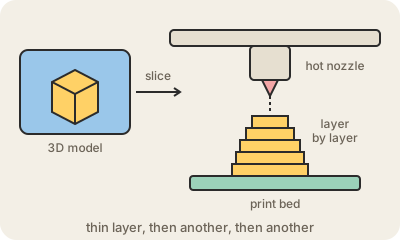
3D printing
Making an object by stacking very thin layers of material, one on top of another.
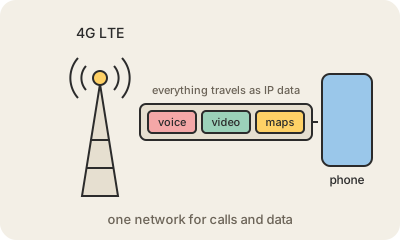
4G LTE
The fourth generation of mobile networks, the one that made phones truly fast online.
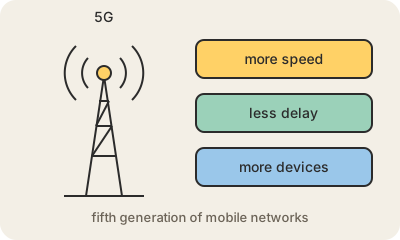
5G
The fifth generation of mobile networks: faster data, less delay, more devices at once.
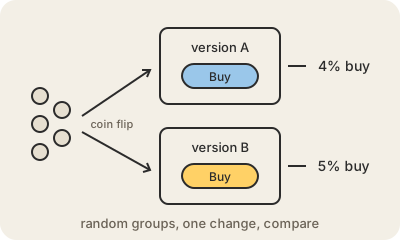
A/B testing
Showing two versions to two random groups and measuring which one works better.
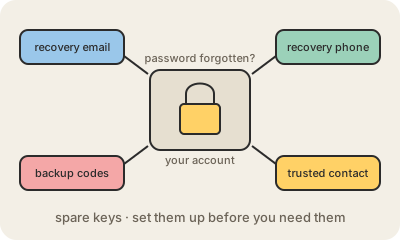
Account recovery
The way back into an account when you forget the password or lose your phone.
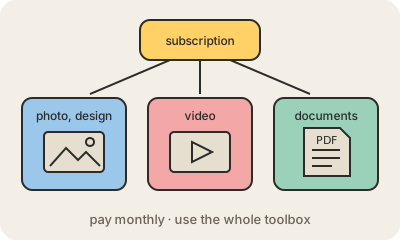
Adobe
The company behind Photoshop, Illustrator, Premiere Pro, Acrobat and the PDF format.
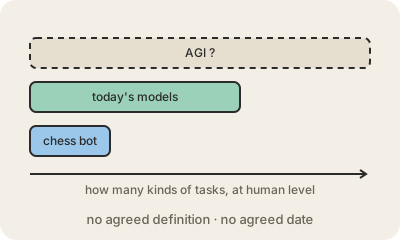
AGI
A hypothetical AI able to do most mental tasks as well as a person. Not here yet.
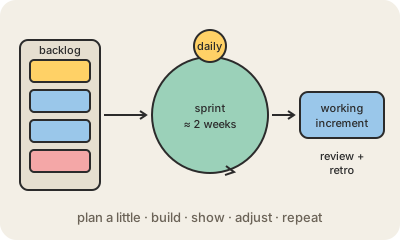
Agile and Scrum
Building software in short cycles, showing results often and adjusting as you learn.
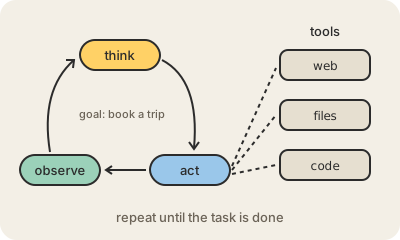
AI agent
An LLM that can take actions, check the results and keep going until the job is done.
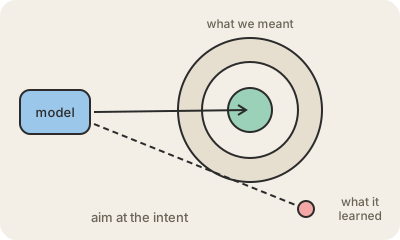
AI alignment
The work of making AI systems do what people actually intend, safely.
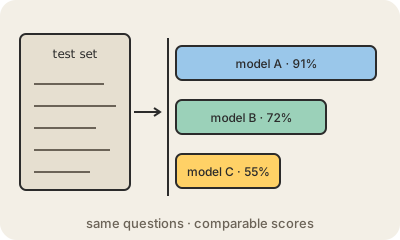
AI benchmark
A standard test that AI models take so their skills can be compared with a score.
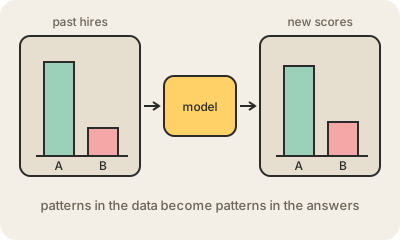
AI bias
When an AI system treats some groups of people unfairly, usually learned from its data.
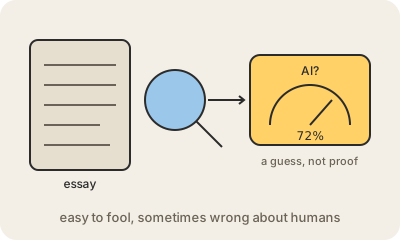
AI detector
A tool that estimates whether a text was written by AI, and is often wrong.
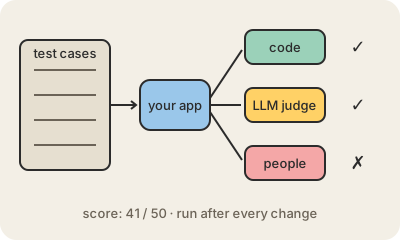
AI evals
Tests you write for your own AI app to check it does its job, before and after changes.
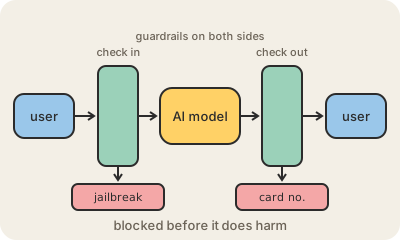
AI guardrails
Checks placed around an AI model to stop unwanted questions and answers.
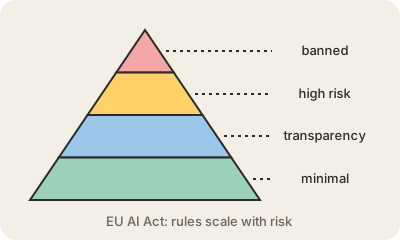
AI regulation
The laws that set what AI systems may do, and who answers when they go wrong.
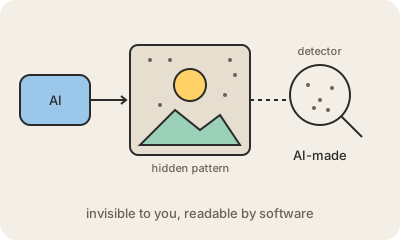
AI watermarking
Hidden marks placed in AI-generated content so software can recognize it later.
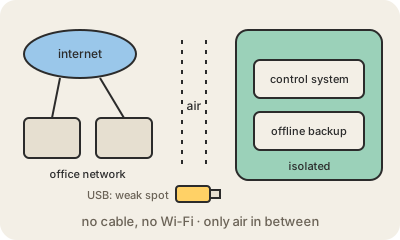
Air gap
Keeping a computer or network physically cut off from everything, internet included.
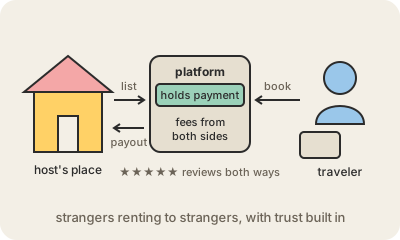
Airbnb
A website and app where people rent out their homes, or a room, to travelers.
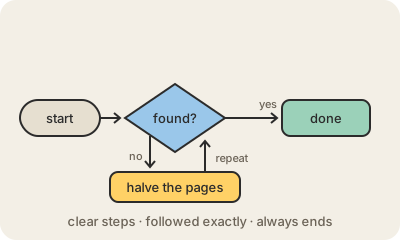
Algorithm
A precise, step-by-step method for solving a problem or doing a task.
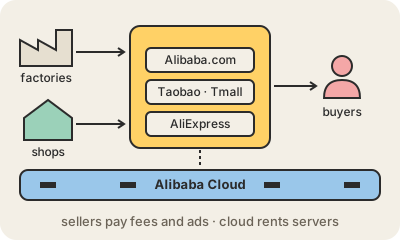
Alibaba
China's giant of online marketplaces, which also runs a major cloud.
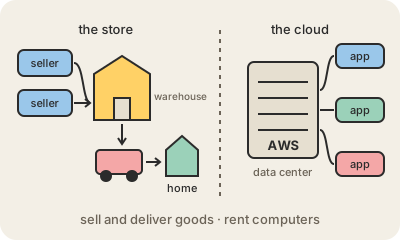
Amazon
An online store with its own delivery network, and the company that runs AWS.
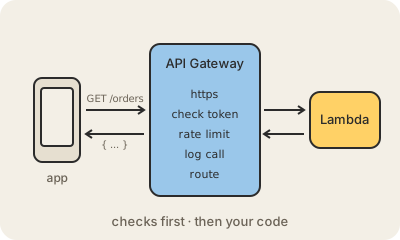
Amazon API Gateway
The front door of your API: it receives requests and passes them to your code.
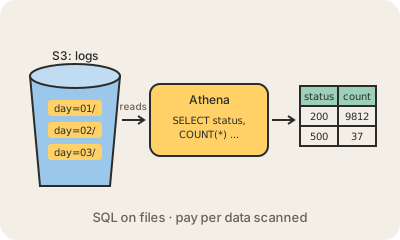
Amazon Athena
Run SQL directly on files sitting in S3, with no database to set up.
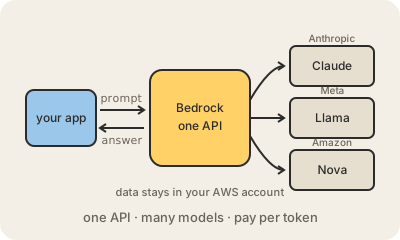
Amazon Bedrock
A single AWS service to call AI models from Anthropic, Meta, Amazon and others.
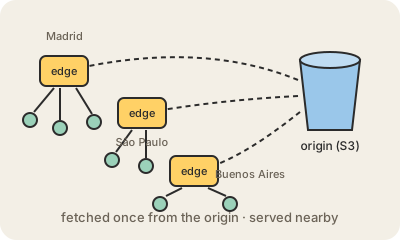
Amazon CloudFront
AWS's CDN: copies of your content kept close to users all over the world.
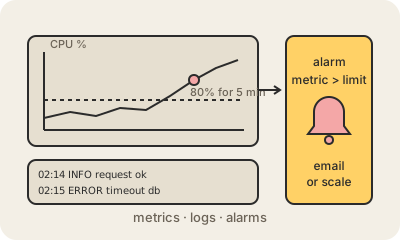
Amazon CloudWatch
The dashboard and alarm system that watches everything running in your AWS account.
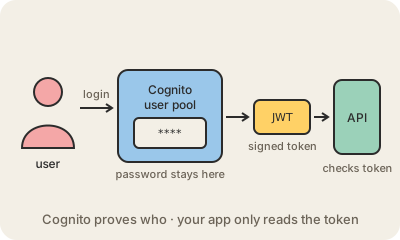
Amazon Cognito
Sign-up, login and passwords for your app, handled by AWS instead of you.
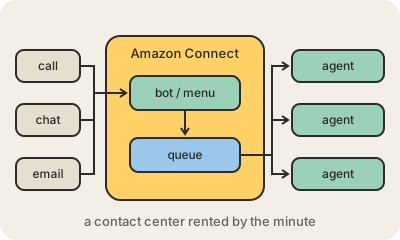
Amazon Connect
A cloud contact center from AWS: phone lines, chat, bots and agents, paid as you use it.
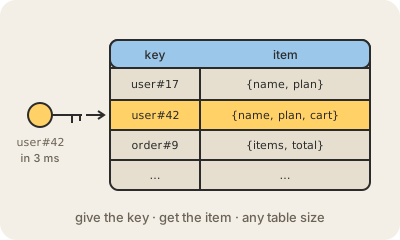
Amazon DynamoDB
A key-value database that answers in milliseconds no matter how big the table gets.
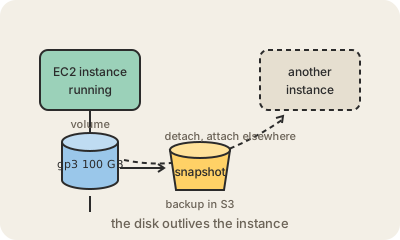
Amazon EBS
The virtual hard drive of an EC2 instance, kept alive even when the instance stops.
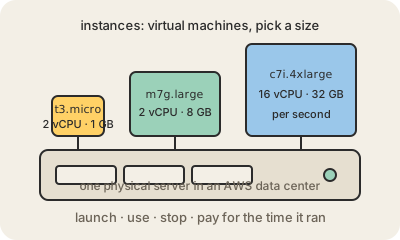
Amazon EC2
Virtual computers you rent by the hour, in any size, and switch off when done.
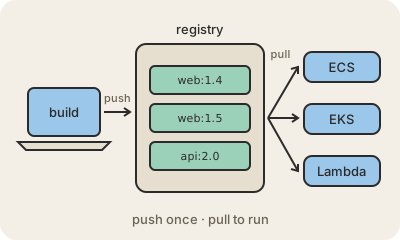
Amazon ECR
A private warehouse on AWS for your container images, ready to be deployed.
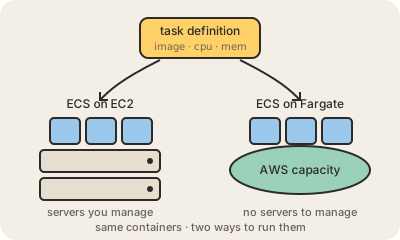
Amazon ECS and Fargate
AWS runs your containers; with Fargate you never see the servers at all.
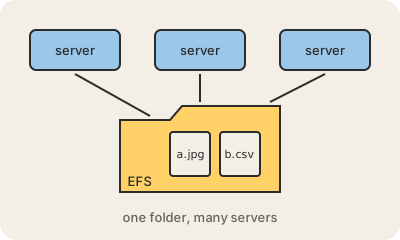
Amazon EFS
A shared network folder in AWS that many servers can use at the same time.
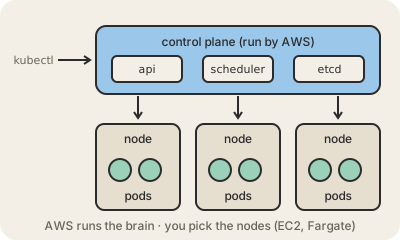
Amazon EKS
Kubernetes with the hard part, the control plane, run by AWS.
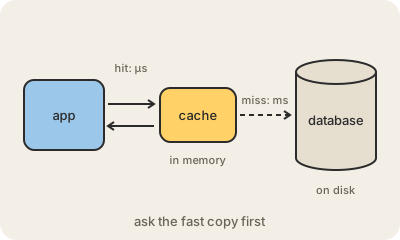
Amazon ElastiCache
A managed in-memory cache that keeps hot data close so apps answer instantly.
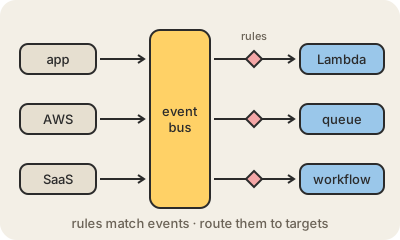
Amazon EventBridge
A switchboard that routes "something happened" messages to whoever cares.
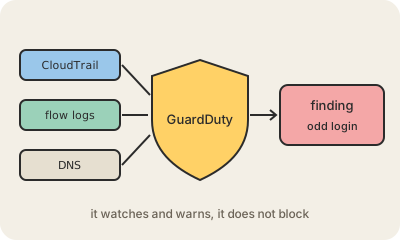
Amazon GuardDuty
An AWS service that watches your account's activity and flags signs of an attack.
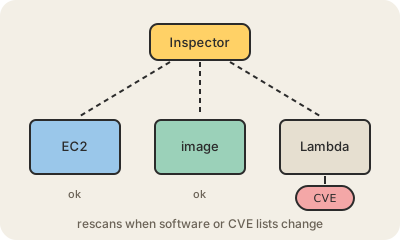
Amazon Inspector
An AWS service that keeps scanning your servers and code for known vulnerabilities.
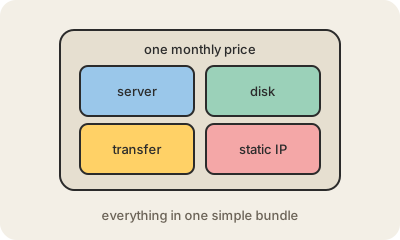
Amazon Lightsail
The simple corner of AWS: a ready-made server for a flat monthly price.
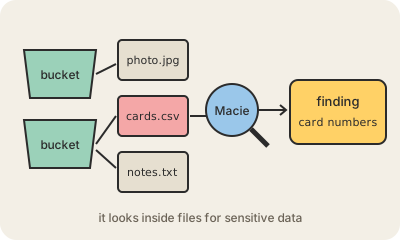
Amazon Macie
An AWS service that finds sensitive data in your S3 buckets and flags risky buckets.
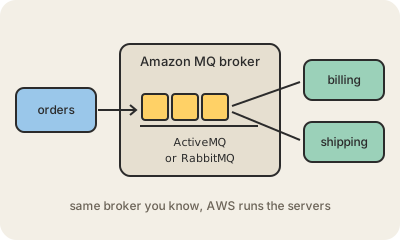
Amazon MQ
ActiveMQ or RabbitMQ message brokers, run for you by AWS.
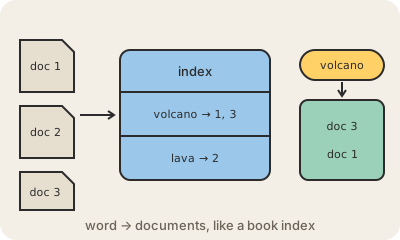
Amazon OpenSearch Service
Managed search engine on AWS, for site search boxes and digging through logs.
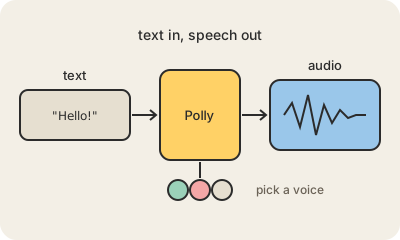
Amazon Polly
An AWS service that turns written text into spoken audio.
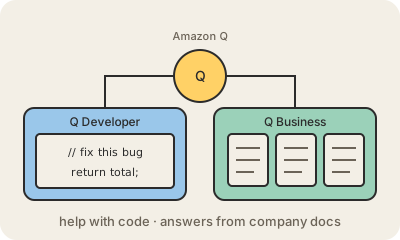
Amazon Q
AWS's AI assistant for writing code and for answering questions about company data.
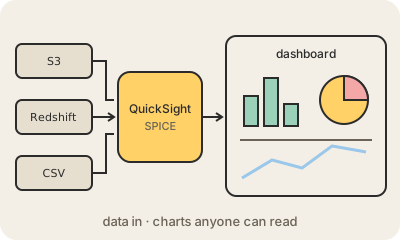
Amazon QuickSight
AWS's tool for turning company data into charts and dashboards people can explore.
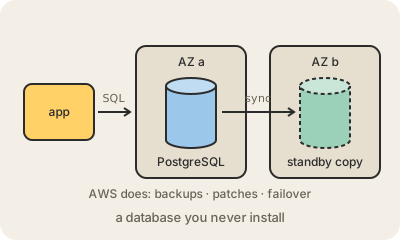
Amazon RDS
A ready-made relational database that AWS keeps patched, backed up and running.
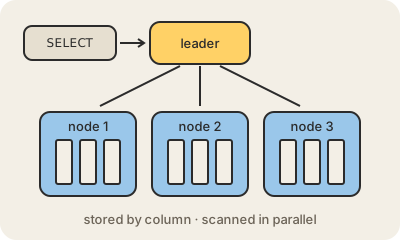
Amazon Redshift
AWS's data warehouse: SQL over huge tables, built for analysis rather than apps.
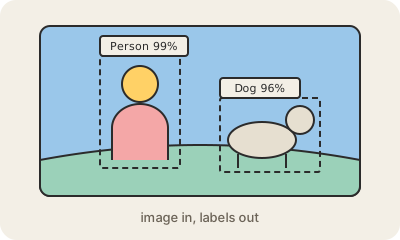
Amazon Rekognition
An AWS service that looks at images and videos and says what is in them.
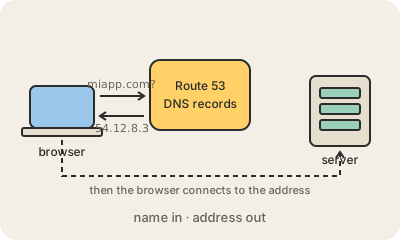
Amazon Route 53
AWS's DNS service: it turns your domain name into the address of your servers.
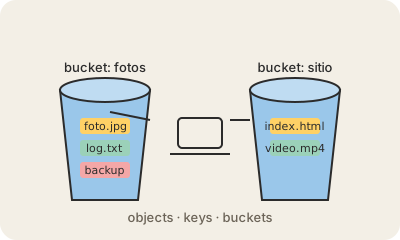
Amazon S3
A giant online drawer for files, rented by the gigabyte.
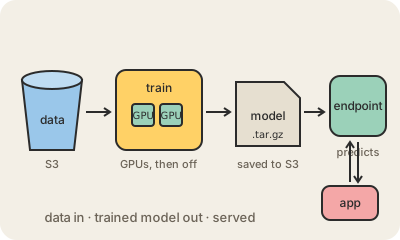
Amazon SageMaker
The AWS workshop for building, training and serving machine learning models.
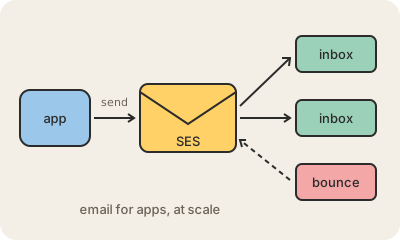
Amazon SES
The AWS service apps use to send email in bulk: receipts, alerts, newsletters.
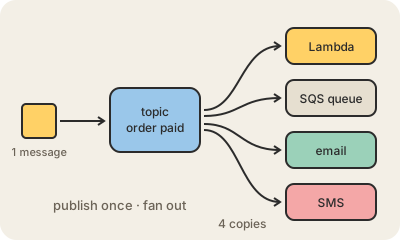
Amazon SNS
One message in, many copies out: a megaphone for systems.
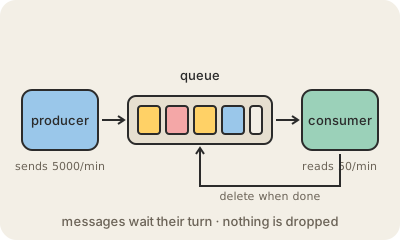
Amazon SQS
A waiting line for messages between programs, so none of them gets lost.
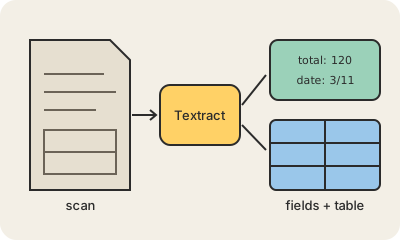
Amazon Textract
An AWS service that reads scanned documents and pulls out text, forms and tables.
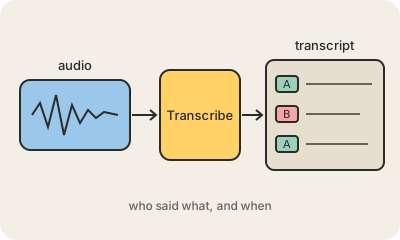
Amazon Transcribe
An AWS service that listens to audio and writes down what was said.
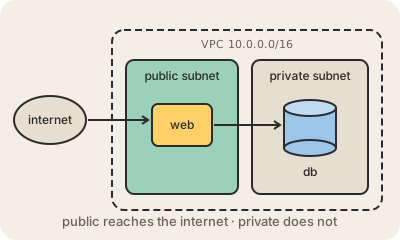
Amazon VPC
Your own private slice of the AWS network, with walls you draw yourself.
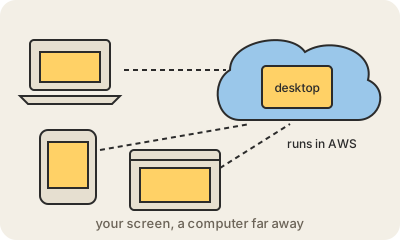
Amazon WorkSpaces
A full Windows or Linux desktop that lives in AWS and that you open from any device.
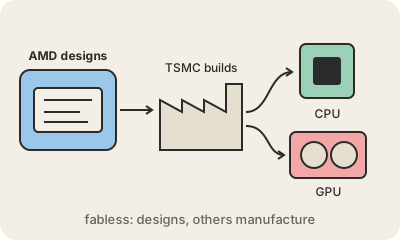
AMD
The chip designer that competes with Intel in CPUs and with NVIDIA in GPUs.
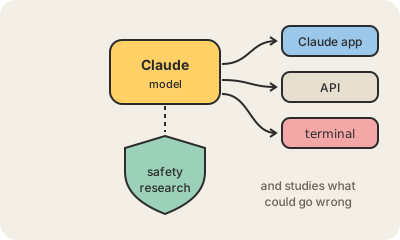
Anthropic
The AI company behind Claude, built around making models safe and useful.
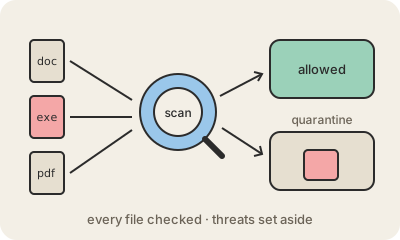
Antivirus
A program that watches your files and apps and blocks the ones known to be harmful.
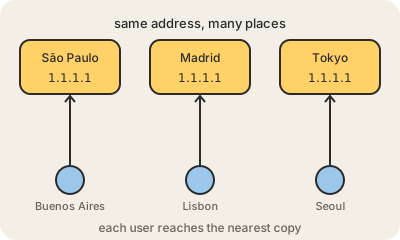
Anycast
One IP address announced from many places, so each user reaches the nearest one.
Apache Spark
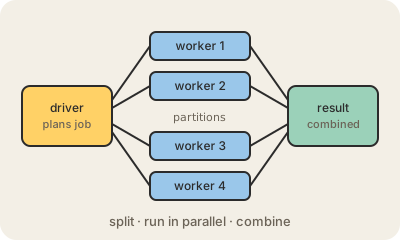
An open source engine that splits work on huge datasets across many machines.
API
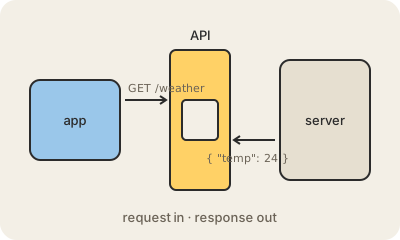
The menu of things one program lets another program ask for.
API key
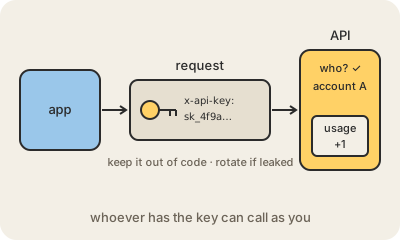
A secret string that identifies your app when it calls someone else's API.
Apple
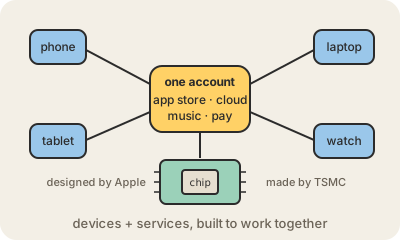
The company that sells the iPhone and the Mac, plus the services that run on them.
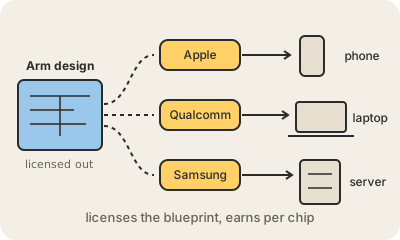
Arm
The British company that designs the processor blueprints inside almost every phone.
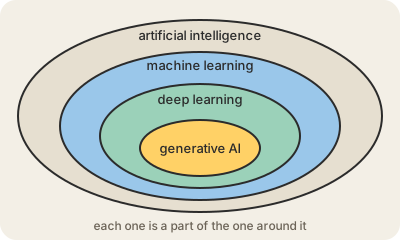
Artificial intelligence
Getting computers to do things that, until recently, only people could do.
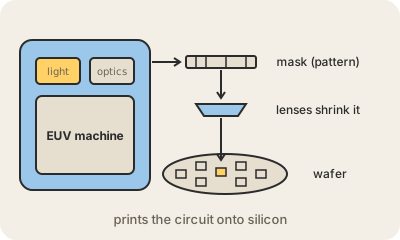
ASML
The Dutch company that builds the machines every advanced chip factory depends on.
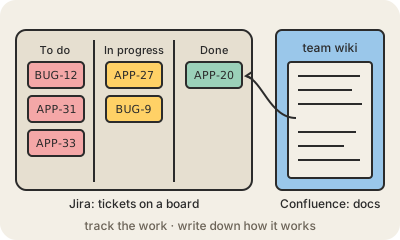
Atlassian
The Australian company behind Jira and Confluence, tools teams use to plan and document work.
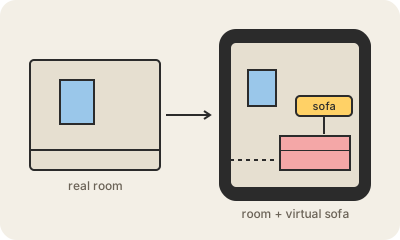
Augmented reality
Digital images laid on top of the real world you are looking at.
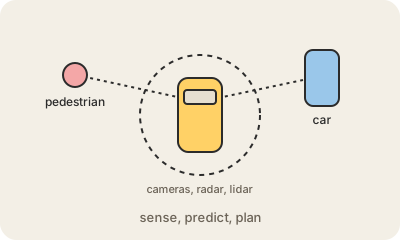
Autonomous vehicles
Cars and trucks that drive themselves using sensors, maps and AI.
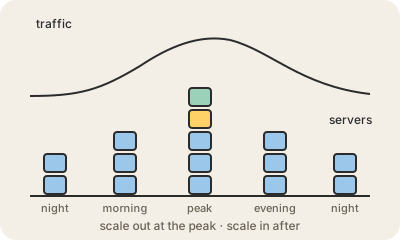
Autoscaling
Adding and removing servers automatically as demand goes up and down.
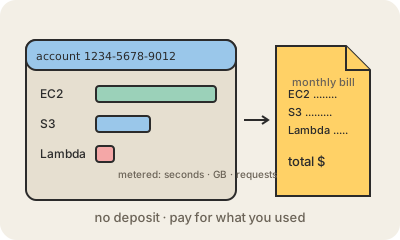
AWS account and billing
What an AWS account is, how you get charged, and how to avoid a surprise bill.
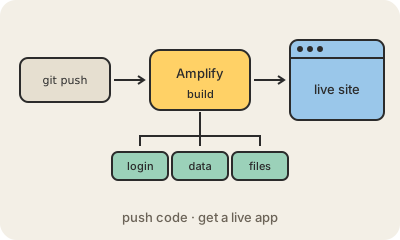
AWS Amplify
A shortcut for building and publishing web and mobile apps on AWS.
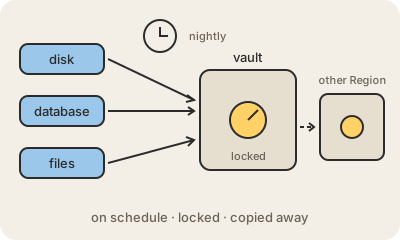
AWS Backup
One place to schedule, keep and restore backups of your AWS data.
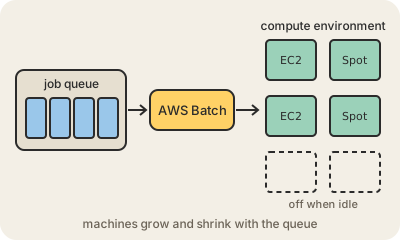
AWS Batch
An AWS service that runs big piles of jobs and rents the machines only while they work.
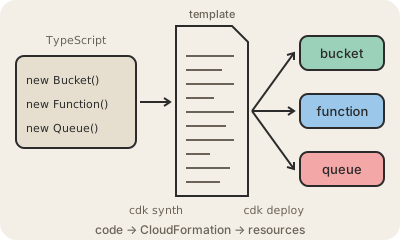
AWS CDK
Describe your AWS infrastructure in a real programming language instead of YAML.
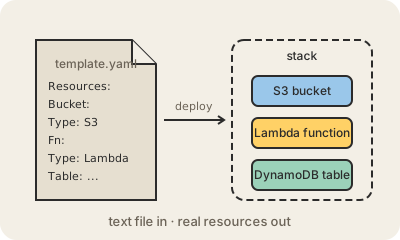
AWS CloudFormation
Describe your AWS infrastructure in a text file; AWS builds it exactly like that.
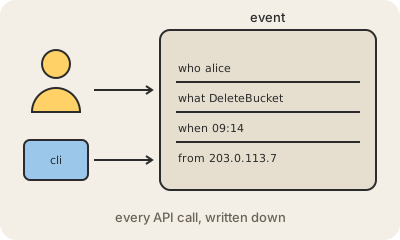
AWS CloudTrail
The logbook of an AWS account: who did what, when, and from where.
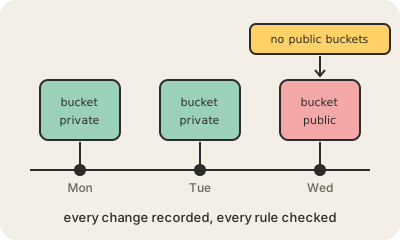
AWS Config
An AWS service that records how your resources are set up and checks them against rules.
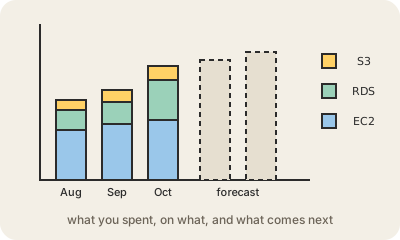
AWS Cost Explorer
The AWS screen that shows what you spent, on what, and what you will likely spend.
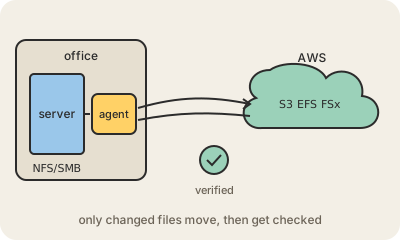
AWS DataSync
An AWS service that copies large amounts of files over the network, and checks they arrived intact.
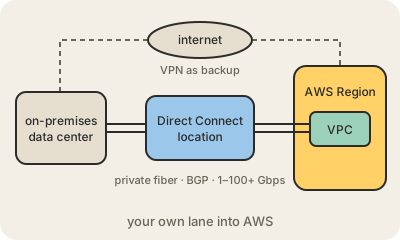
AWS Direct Connect
A private, dedicated network link from your own building straight into AWS.
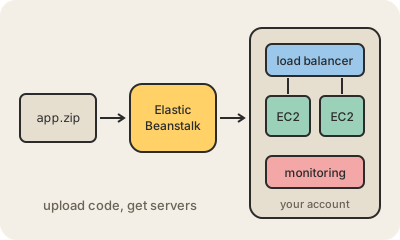
AWS Elastic Beanstalk
Upload your web app's code and AWS sets up the servers to run it.
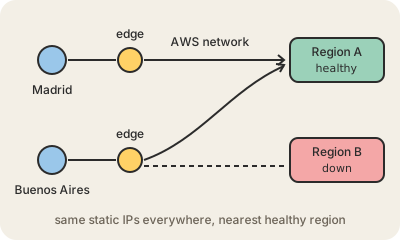
AWS Global Accelerator
Fixed IP addresses that pull users onto AWS's own network near them and route to a healthy region.
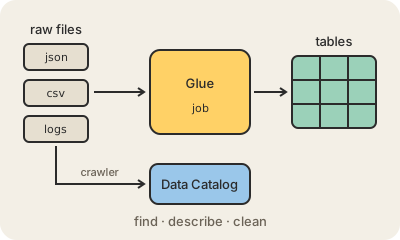
AWS Glue
AWS's service for finding, describing and cleaning up data, with no servers to run.
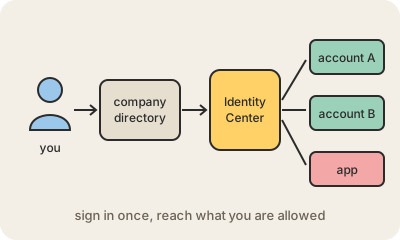
AWS IAM Identity Center
One sign-in for a company's people to reach all its AWS accounts and apps.
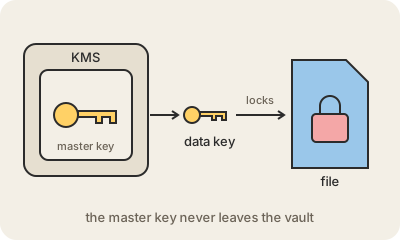
AWS KMS
AWS's vault for encryption keys: you use them, but they never leave.
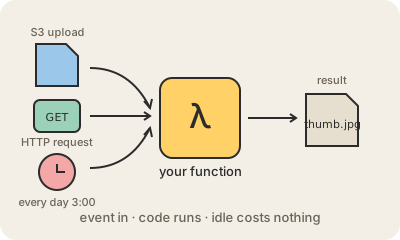
AWS Lambda
Run a piece of code only when something happens, with no server to manage.
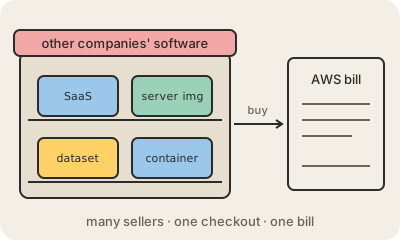
AWS Marketplace
An online store where you buy other companies' software and pay through your AWS bill.
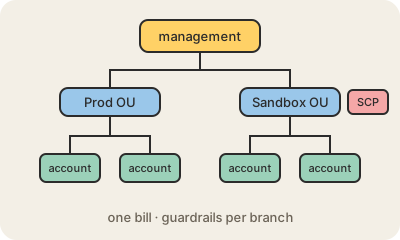
AWS Organizations
One place to group, govern and pay for many AWS accounts at once.
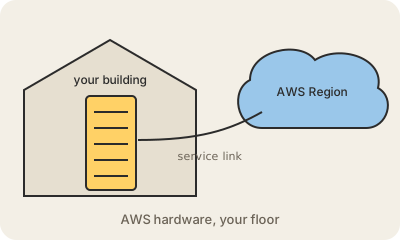
AWS Outposts
AWS hardware installed in your own building, run by AWS as part of a Region.
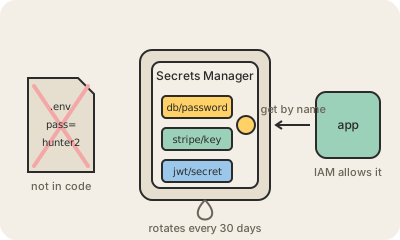
AWS Secrets Manager
A locked vault for passwords and API keys, so they never live in your code.
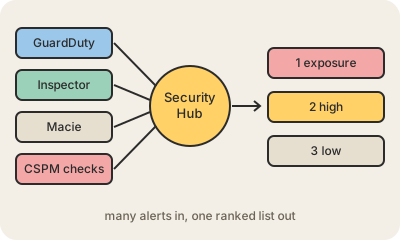
AWS Security Hub
One place where AWS gathers security alerts from many services and ranks them.
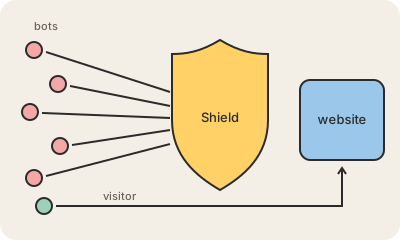
AWS Shield
AWS's protection against DDoS attacks, on by default for everyone.
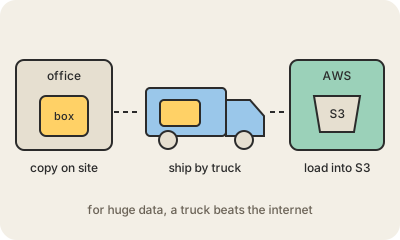
AWS Snowball
A rugged box AWS shipped to you to move huge amounts of data by truck instead of internet.
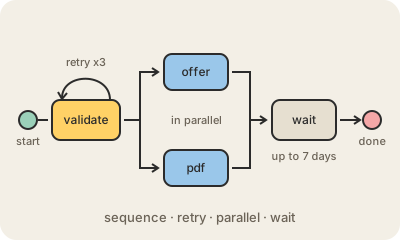
AWS Step Functions
A flowchart that runs: it chains steps, retries failures and remembers where it was.
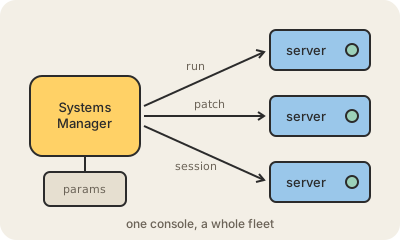
AWS Systems Manager
A toolbox for running, patching and logging into a whole fleet of servers at once.
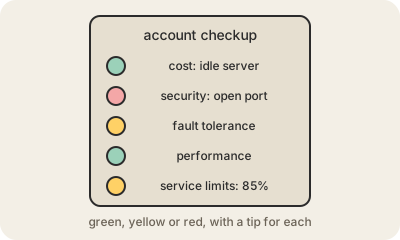
AWS Trusted Advisor
An automatic checkup of your AWS account with tips to save money and stay safe.
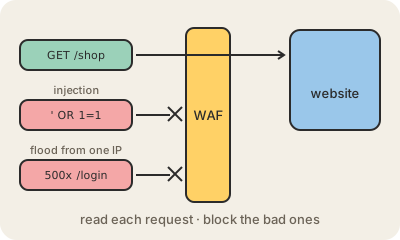
AWS WAF
A filter in front of your website that reads each request and blocks the bad ones.
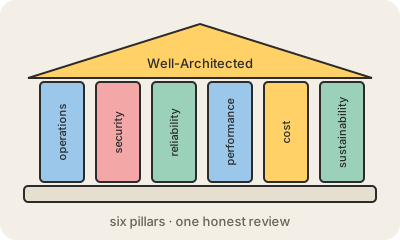
AWS Well-Architected Framework
AWS's checklist of good practices for building systems in the cloud that hold up.
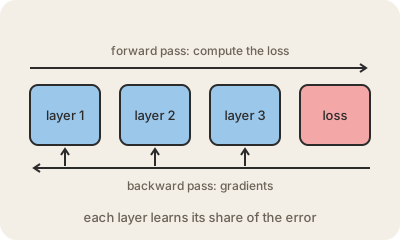
Backpropagation
The algorithm that works out how much each weight contributed to a network's error.
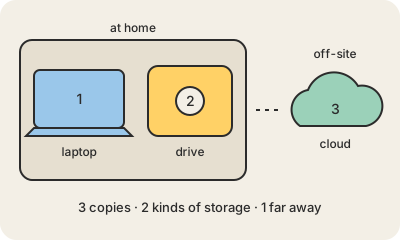
Backup
A separate copy of your data, kept so you can get it back when the original is lost.
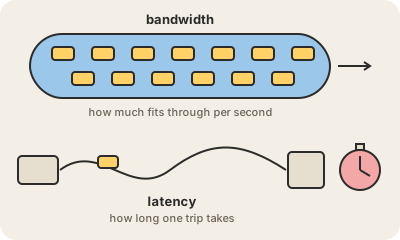
Bandwidth and latency
How much data fits per second, and how long each trip takes. Two different things.
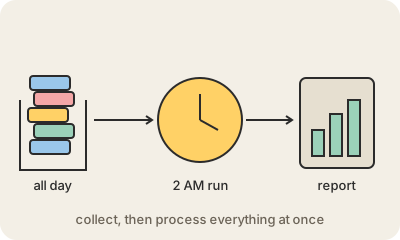
Batch processing
Collecting data for a while and then processing it all in one big run.
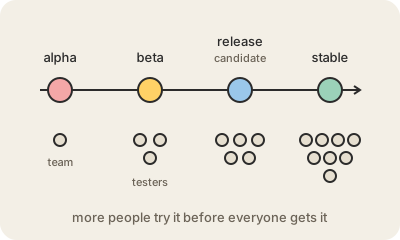
Beta version
An almost-finished version of software, released early so real users can find problems.
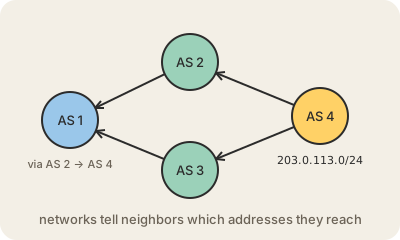
BGP
The protocol networks use to tell each other which addresses they can reach.
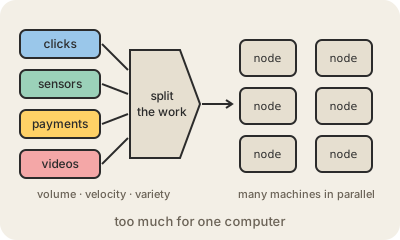
Big data
Data so large, fast or messy that one ordinary computer cannot handle it.
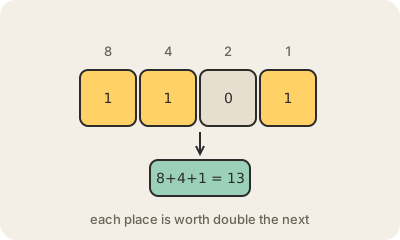
Binary code
Writing everything, numbers, text, images, with only two symbols: 0 and 1.
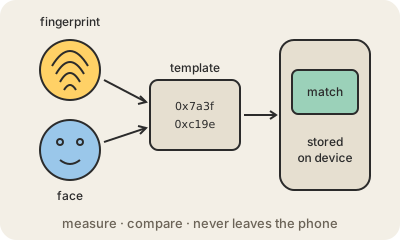
Biometrics
Proving who you are with your body: a fingerprint, your face, your voice.
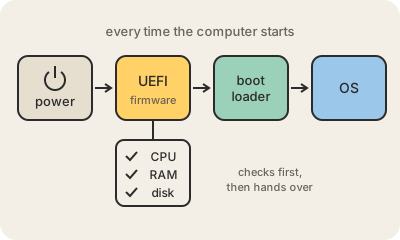
BIOS and UEFI
The first program a PC runs: it checks the hardware and starts the operating system.
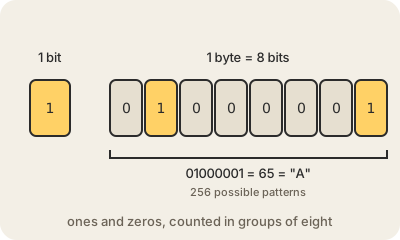
Bit and byte
The smallest unit of digital information, and the group of eight that computers count in.
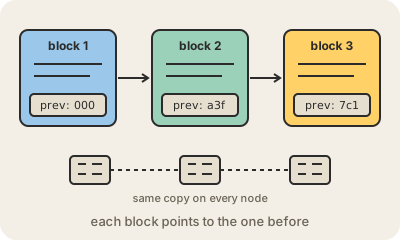
Blockchain
A shared record book, copied on many computers, where old pages can't be quietly changed.
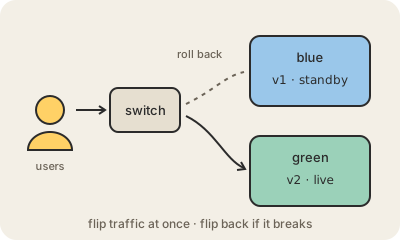
Blue-green deployment
Releasing a new version next to the old one and switching traffic over at once.
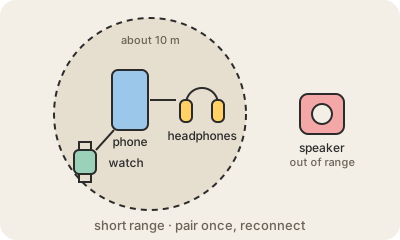
Bluetooth
Short-range wireless for connecting nearby gadgets: headphones, watches, keyboards.
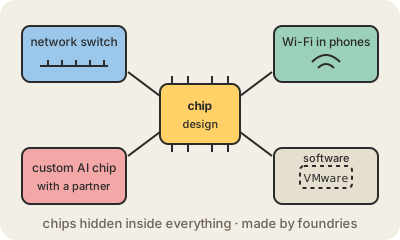
Broadcom
An American chip designer behind data center networking, Wi-Fi and custom AI chips.
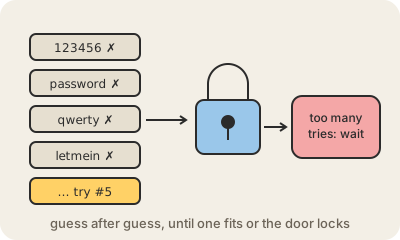
Brute-force attack
Breaking into an account by trying passwords, one after another, until one works.
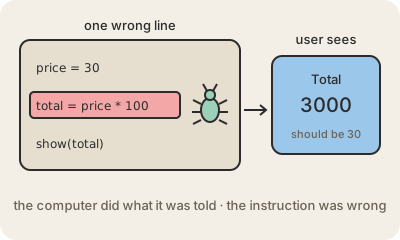
Bug
A mistake in software that makes it behave differently from what was intended.
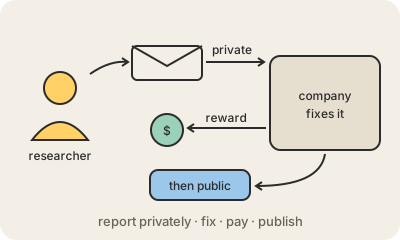
Bug bounty
A company pays outside researchers who find and privately report its security holes.
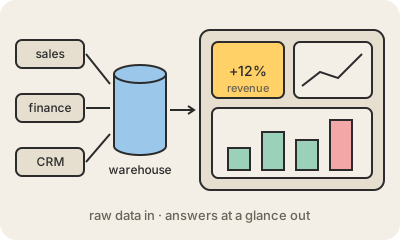
Business intelligence
Turning a company's data into reports and dashboards people use to decide.
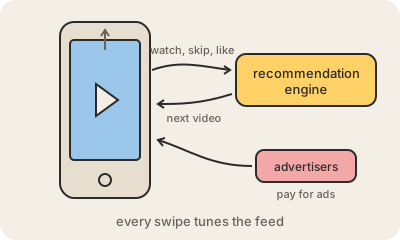
ByteDance
The Chinese tech company behind TikTok and its recommendation engine.
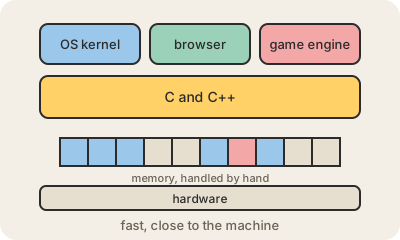
C and C++
Two old, fast languages that sit underneath operating systems, browsers and games.
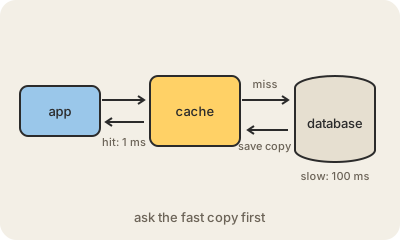
Caching
Keeping a copy of an answer close by so you do not have to work it out again.
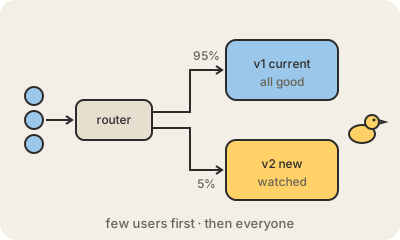
Canary release
Releasing a new version to a small slice of users first, and widening only if it behaves.
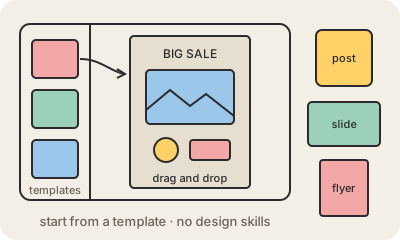
Canva
An online design tool that lets anyone make posters, posts and slides from templates.
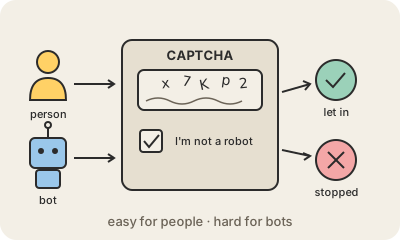
CAPTCHA
A small test a website uses to tell a person from an automated program.
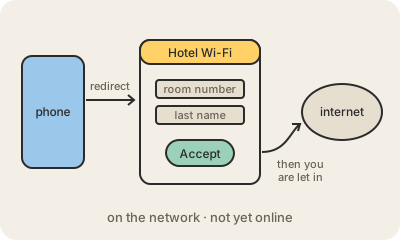
Captive portal
The page that pops up on public Wi-Fi asking you to log in or accept terms first.
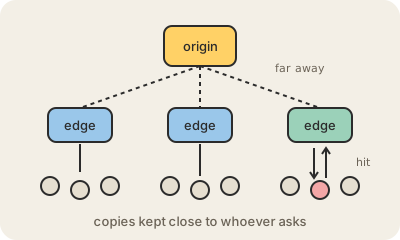
CDN
Copies of a website kept on servers around the world, close to whoever asks.
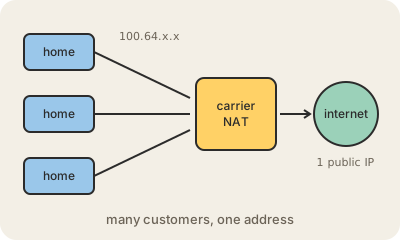
CGNAT
NAT done by your provider, so many customers share one public IP address.
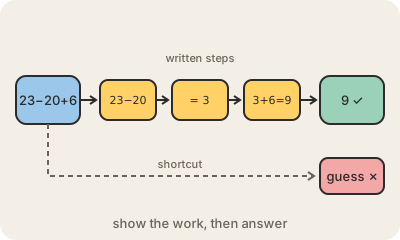
Chain of thought
Letting an AI model write out its reasoning step by step before it answers.
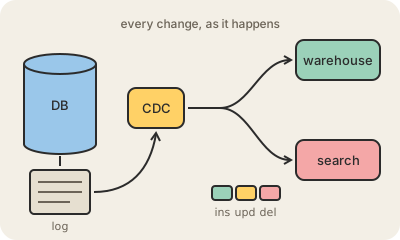
Change data capture
Copying every insert, update and delete from a database to other systems as it happens.
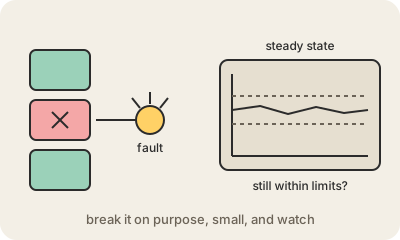
Chaos engineering
Breaking your own system on purpose, carefully, to find weak spots before outages do.
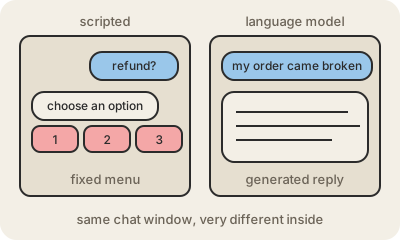
Chatbot
A program you talk to by typing or speaking, as if it were a person.
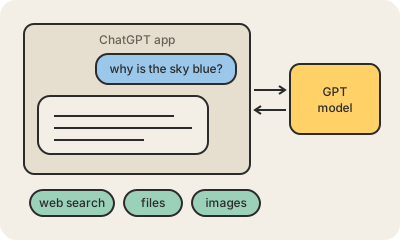
ChatGPT
OpenAI's chat assistant, the app that brought AI chatbots to the general public.
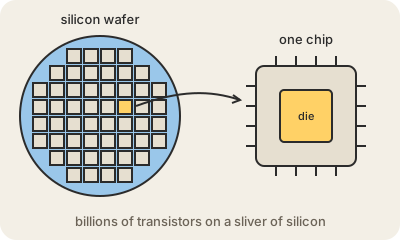
Chip
A sliver of silicon carrying billions of tiny switches that compute and remember.
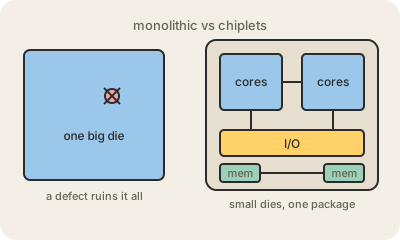
Chiplet
A small chip designed to be combined with others in one package, like a building block.
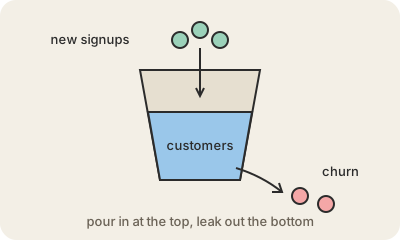
Churn
The customers who leave, and how fast they do it.
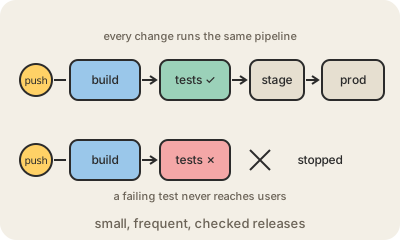
CI/CD
Automation that builds, tests and ships every code change, so releases become routine.
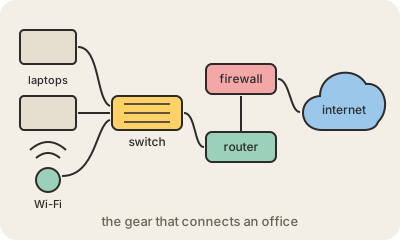
Cisco
The company that makes much of the network gear connecting offices to the internet.
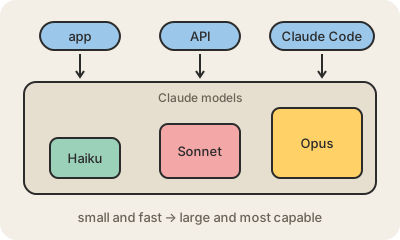
Claude
Anthropic's family of AI models, and the assistant app built on them.
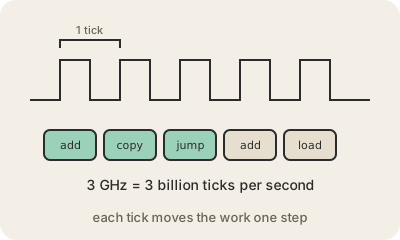
Clock speed
How many times per second a processor ticks, measured in gigahertz (GHz).
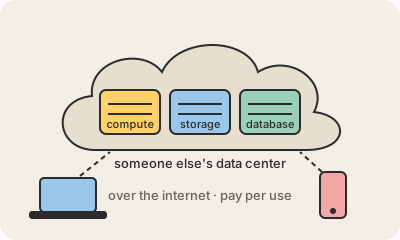
Cloud computing
Renting computers over the internet instead of buying your own.
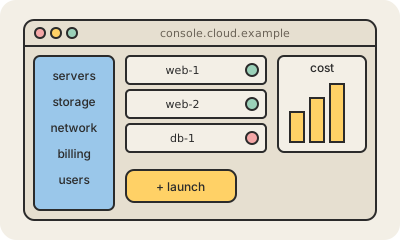
Cloud console
The website where you log in to see and manage everything you rent in the cloud.
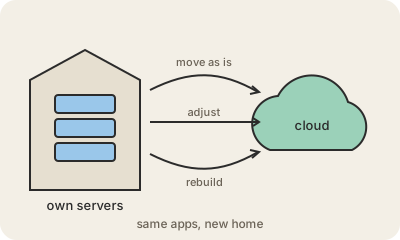
Cloud migration
Moving a company's apps and data from its own servers to a cloud provider.
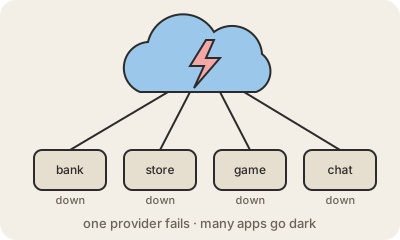
Cloud outage
When a cloud provider fails and many apps and websites go down with it.
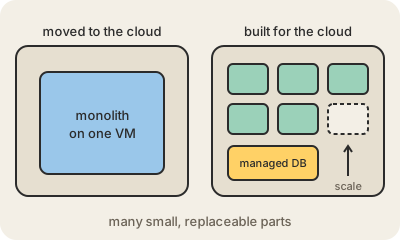
Cloud-native
Software designed from the start to take advantage of the cloud, not just moved into it.
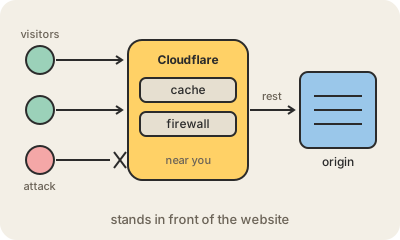
Cloudflare
A global network that sits in front of websites to make them faster and safer.
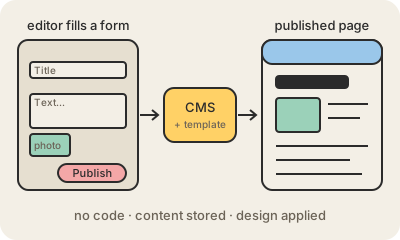
CMS
Software that lets people publish and edit a website's content without writing code.
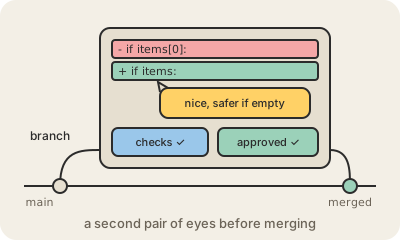
Code review
Having another person read a code change before it becomes part of the product.
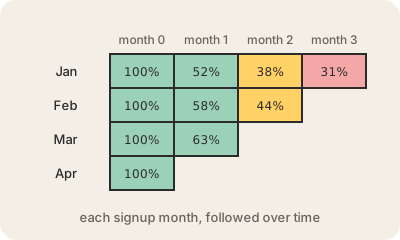
Cohort analysis
Comparing groups of users who started at the same time, to see how each one behaves.
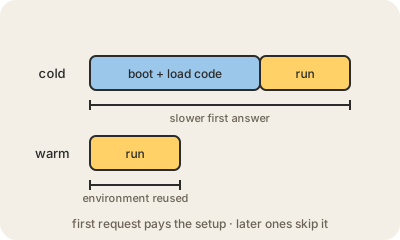
Cold start
The extra wait when a serverless function has to boot before answering.
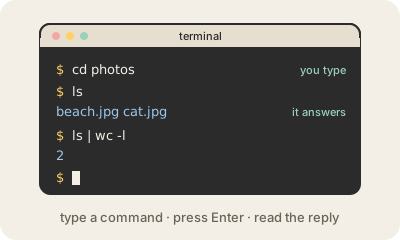
Command line
Controlling a computer by typing text commands instead of clicking icons.
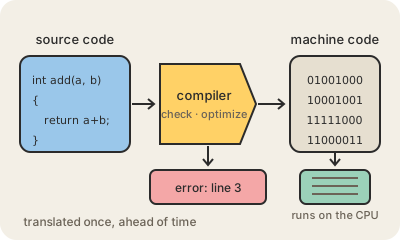
Compiler
A program that translates source code into instructions a computer can run directly.
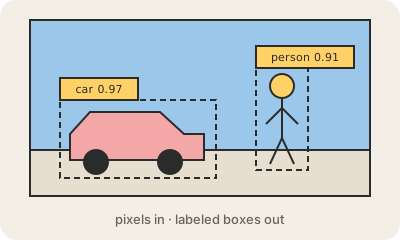
Computer vision
The part of AI that lets computers find and understand what is in images and video.
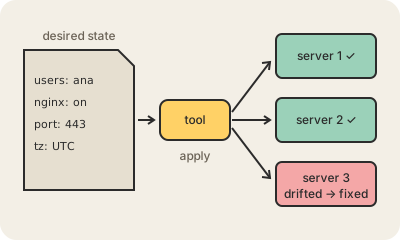
Configuration management
Describing how servers should be set up, and letting a tool keep them that way.
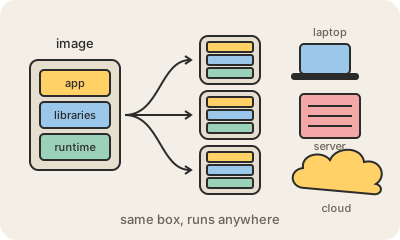
Container
A sealed box with a program and everything it needs to run anywhere.
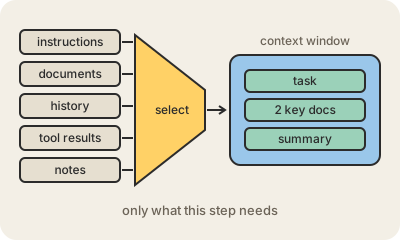
Context engineering
Choosing what goes into a model's context so it has what it needs and nothing more.
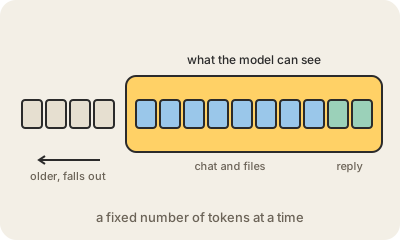
Context window
How much text an AI model can take into account at once, measured in tokens.
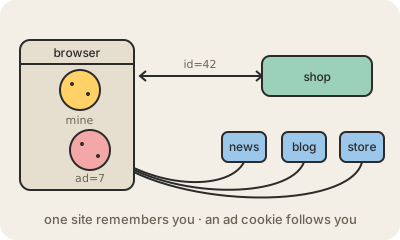
Cookies
Small notes a website asks your browser to keep, so it can recognize you later.
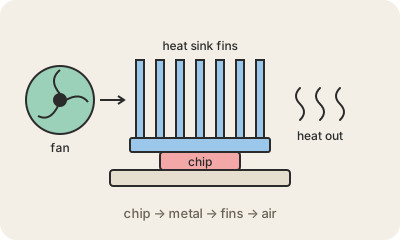
Cooling and heat sinks
How computers get rid of the heat their chips produce so they do not slow down or fail.
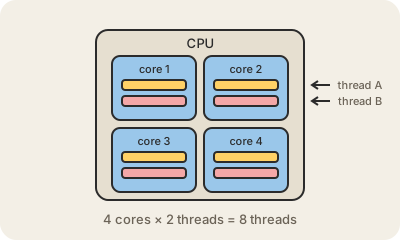
Cores and threads
Why a CPU is really several processors, and why it can juggle even more tasks.
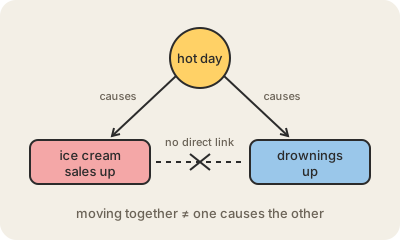
Correlation vs causation
Two things moving together does not mean one of them causes the other.
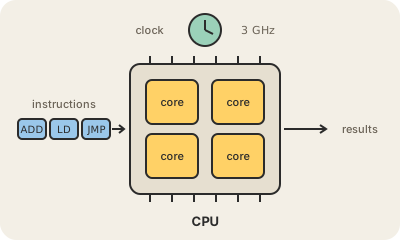
CPU
The chip that runs your programs, one instruction after another, very fast.
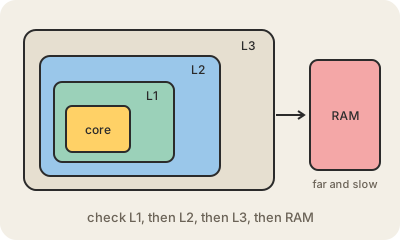
CPU cache
A tiny, very fast memory inside the processor that keeps the data it is about to need.
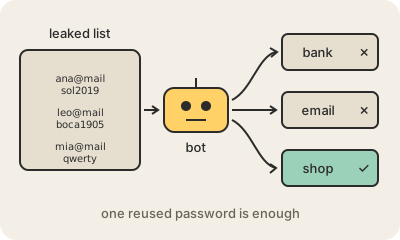
Credential stuffing
Trying passwords leaked from one site on many other sites, at machine speed.
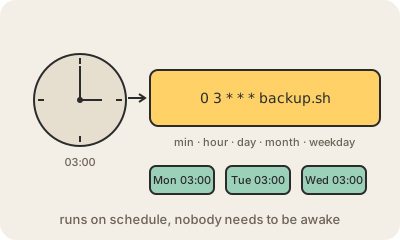
Cron job
A command a computer runs on its own on a schedule, like every night at 3 a.m.
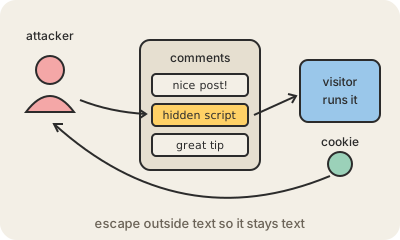
Cross-site scripting
Sneaking code into a website so it runs in other visitors' browsers.
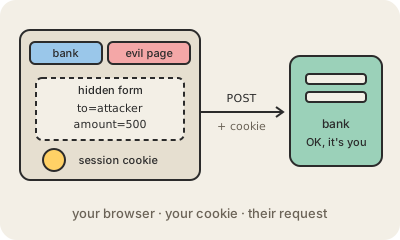
CSRF
An attack that makes your browser send a request you never meant to send, as you.
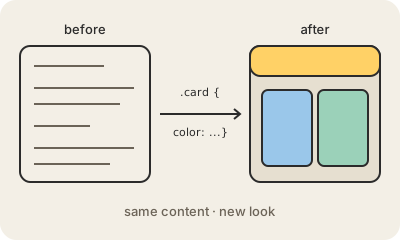
CSS
The language that decides how a web page looks: colors, fonts, spacing, layout.
CSV
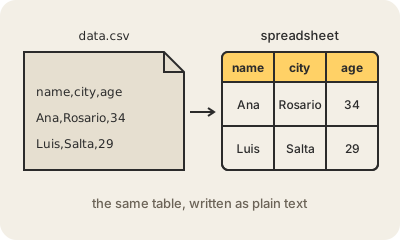
A plain text file that holds a table: one row per line, commas between values.
Cybersecurity
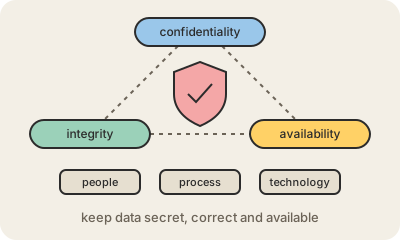
Protecting computers, networks and data from theft, damage and disruption.
Dark web
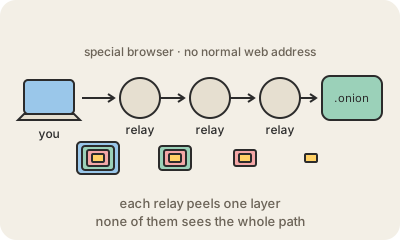
Websites that are reachable only with special software that hides who is talking to whom.
Dashboard
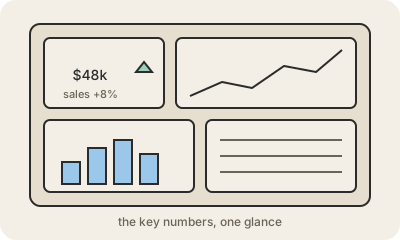
One screen of charts and numbers that shows how something is doing at a glance.
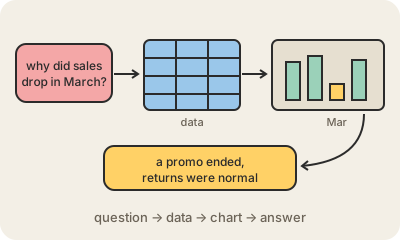
Data analyst
The person who turns a business question into numbers, and the numbers into an answer.
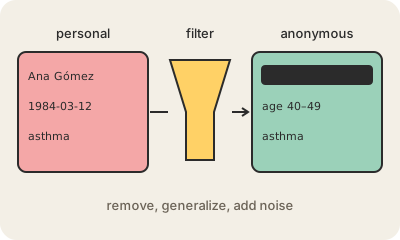
Data anonymization
Changing a dataset so nobody in it can be identified, while keeping it useful.
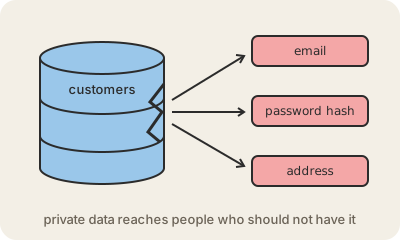
Data breach
When private data an organization holds ends up with people who should not have it.
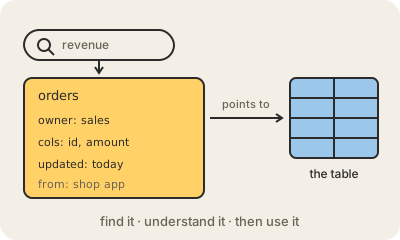
Data catalog
A searchable inventory of an organization's datasets, with what each one means.
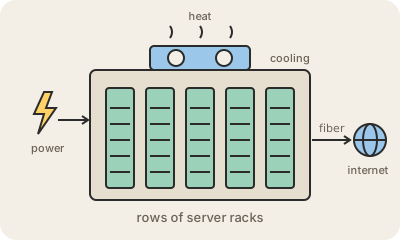
Data center
A building full of servers where the internet, the cloud and AI actually run.
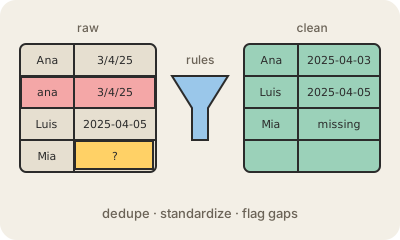
Data cleaning
Fixing errors, gaps and duplicates in data before anyone trusts it.
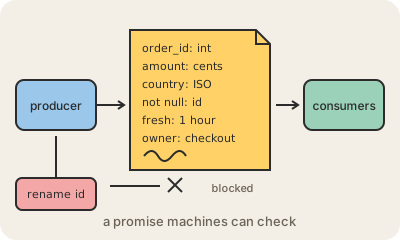
Data contract
A written, checkable promise about the shape and quality of data one team gives another.
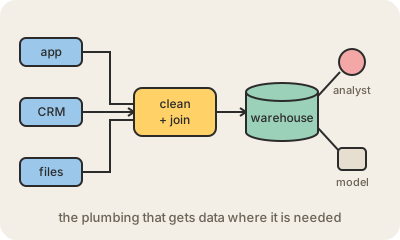
Data engineering
The work of building the pipes that move data to where people can use it.
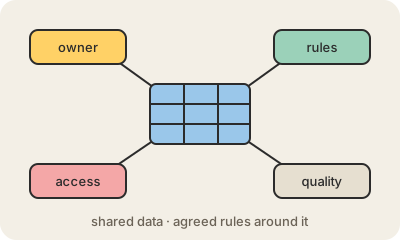
Data governance
The rules and roles that decide who owns data, who can use it and how it is kept right.
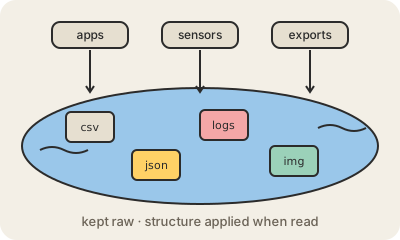
Data lake
Cheap storage where all your data is kept as raw files, to be sorted out later.
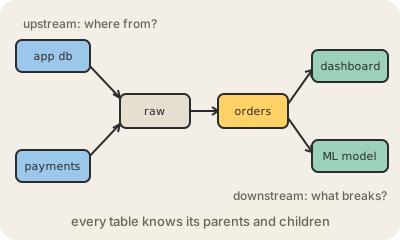
Data lineage
The map of where each piece of data came from and everything that depends on it.
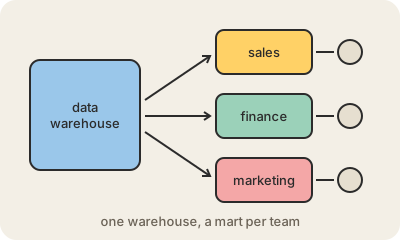
Data mart
A small, focused slice of the company's data, shaped for one team.
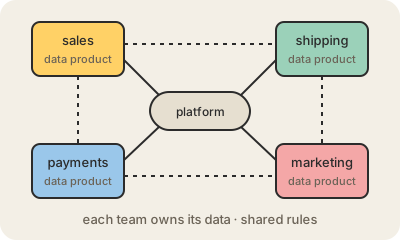
Data mesh
An organizational approach where each business team owns and publishes its own data.
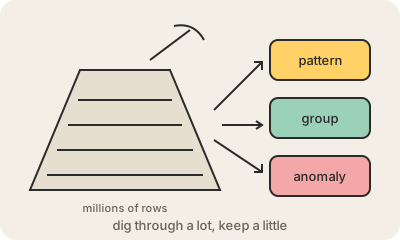
Data mining
Digging through large amounts of data to find patterns nobody wrote down.
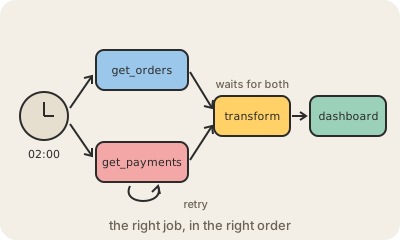
Data orchestration
Running data jobs in the right order, at the right time, and handling it when they fail.
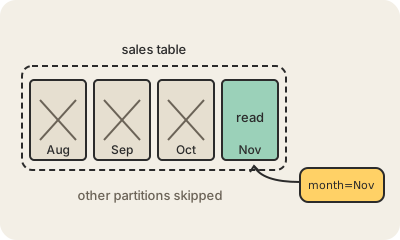
Data partitioning
Splitting a huge table into pieces by a key, so queries only touch what they need.
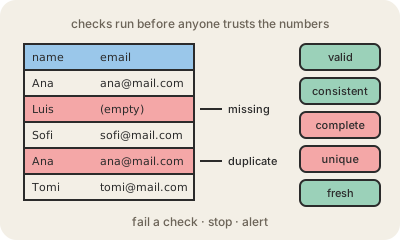
Data quality
How far data can be trusted for the job it is used for.
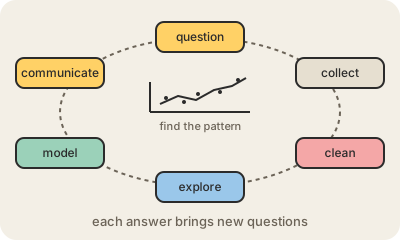
Data science
Using statistics, code and business sense to answer questions with data.
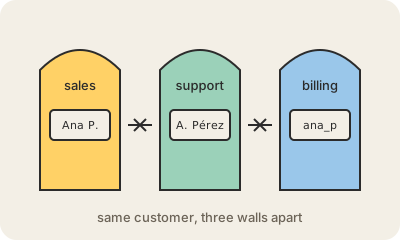
Data silo
Data locked inside one team or system, where the rest of the company can't use it.
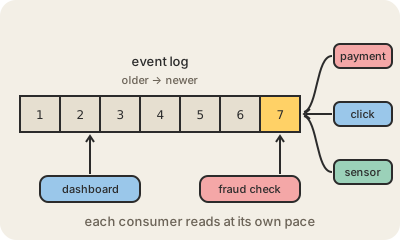
Data streaming
Processing data as a continuous flow of events, seconds after they happen.
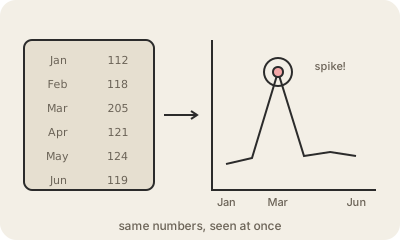
Data visualization
Turning numbers into pictures so patterns jump out.
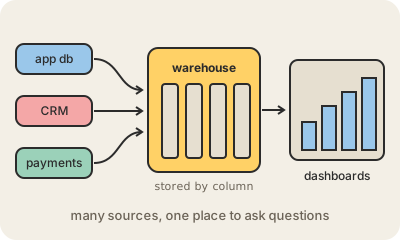
Data warehouse
A database built for analysis: years of history, from many sources, in one place.
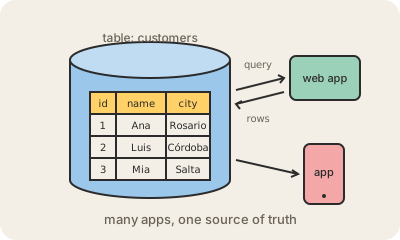
Database
An organized store of data that programs can search and update safely.
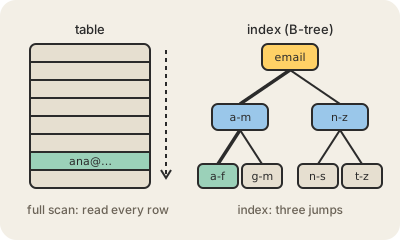
Database index
A sorted shortcut that lets a database find rows without reading the whole table.
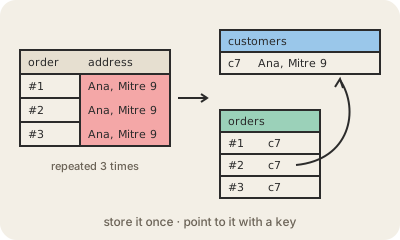
Database normalization
Organizing tables so each fact is stored in exactly one place.
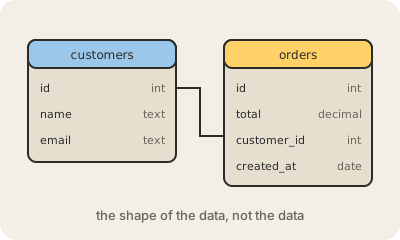
Database schema
The blueprint of a database: which tables exist, their columns and how they connect.
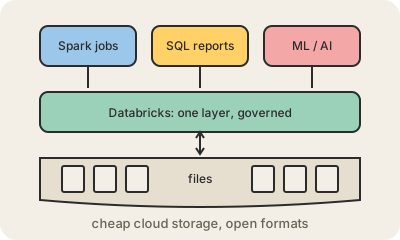
Databricks
A cloud platform for processing, analyzing and training AI on a company's data.
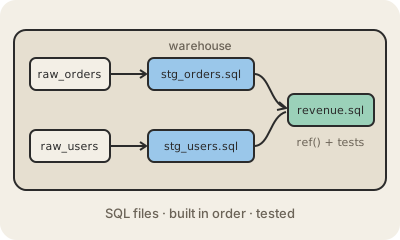
dbt
A tool for writing data transformations as SQL files, with tests and docs, like software.
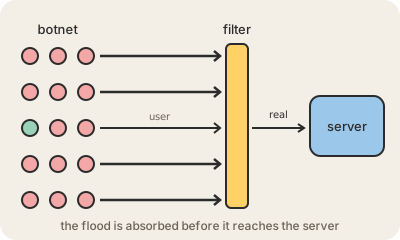
DDoS
Knocking a site offline by flooding it with more traffic than it can handle.
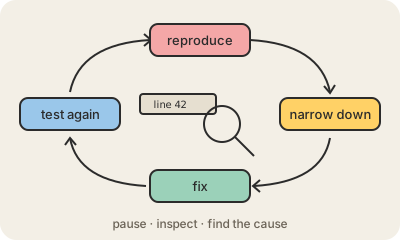
Debugging
The detective work of finding why a program misbehaves, and fixing it.
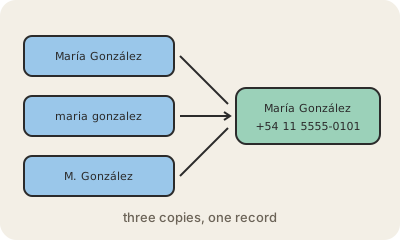
Deduplication
Finding the copies of the same thing and keeping just one.
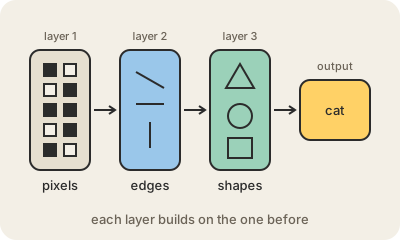
Deep learning
Machine learning with many-layered neural networks, behind most recent AI leaps.
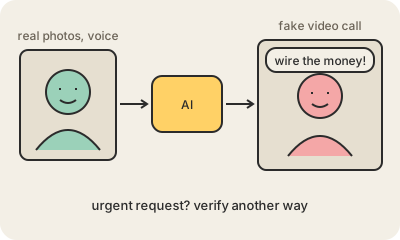
Deepfake
A fake video, photo or voice made with AI to look and sound like a real person.
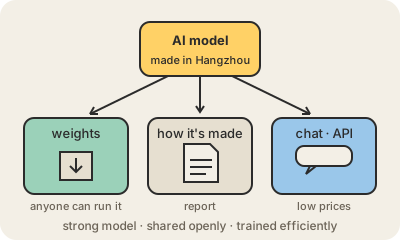
DeepSeek
A Chinese AI lab whose open-weight models showed that top AI could be built for less.
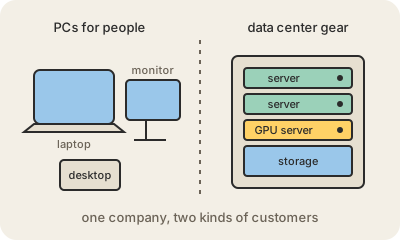
Dell
The American maker of PCs for offices and servers for data centers.
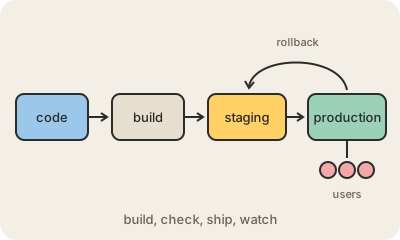
Deployment
Getting a new version of software from the team's computers to real users.
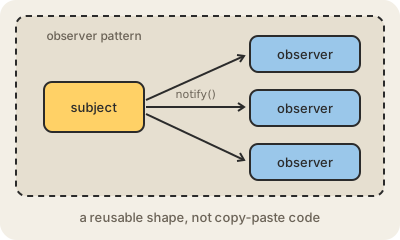
Design pattern
A named, reusable solution to a problem that keeps showing up in software design.
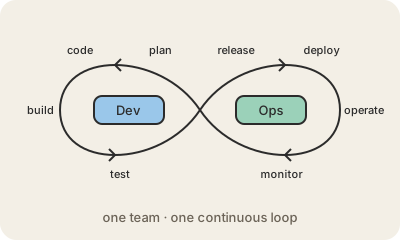
DevOps
Breaking the wall between people who write software and people who run it.
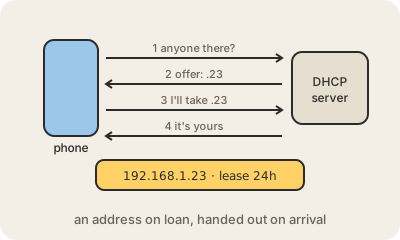
DHCP
The service that gives each device an IP address automatically when it joins a network.
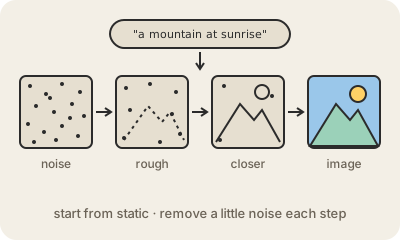
Diffusion model
An image generator that starts from random noise and cleans it up, step by step.
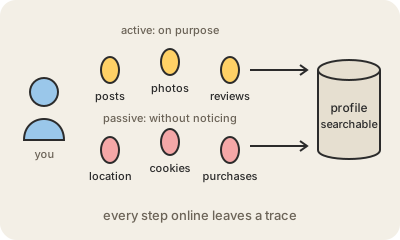
Digital footprint
The trail of data you leave behind every time you use the internet.
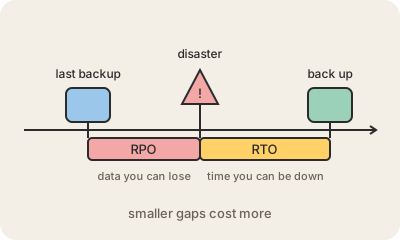
Disaster recovery
The plan for getting systems and data back after a major failure.
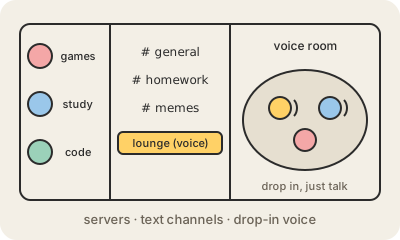
Discord
An app for online communities to chat by text, voice and video in shared spaces.

Display resolution
How many dots, or pixels, make up a screen's image: more dots, finer detail.
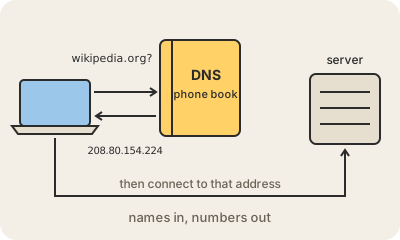
DNS
The internet's phone book: it turns names like wikipedia.org into IP addresses.
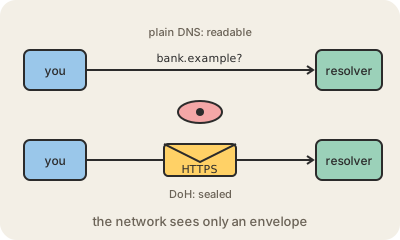
DNS over HTTPS
DNS lookups sent inside encrypted HTTPS, so others on the network cannot read them.
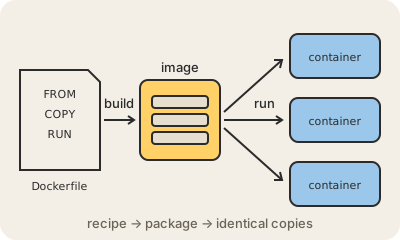
Docker
The tool that made containers easy: package an app once, run it anywhere.
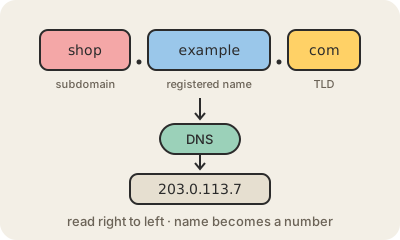
Domain name
The readable name of a website, like wikipedia.org, that stands in for a numeric address.
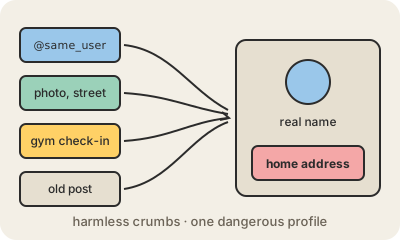
Doxxing
Digging up and publishing someone's private details, like home address, to target them.
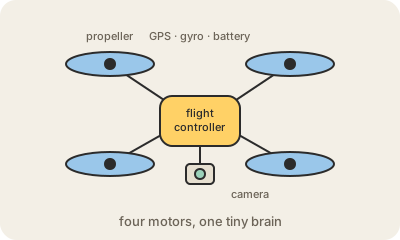
Drone
An aircraft with no pilot on board, flown by remote control or by its own computer.
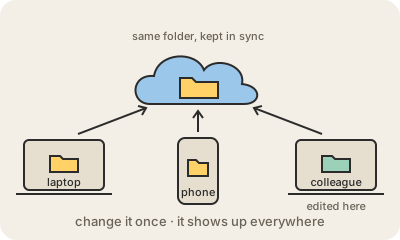
Dropbox
A company that keeps a folder of your files in sync across all your devices.
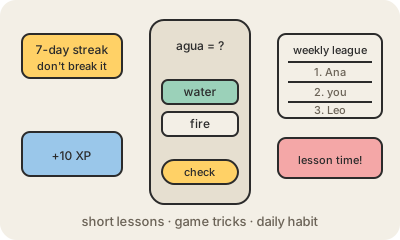
Duolingo
A language-learning app that turns daily practice into a game.
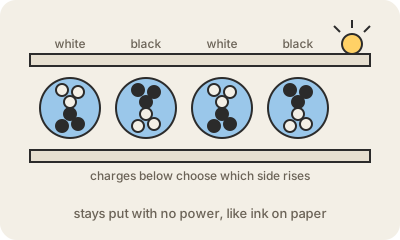
E-ink
A screen that looks like printed paper and only uses power when the image changes.
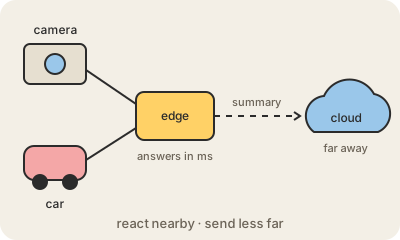
Edge computing
Processing data close to where it is created, instead of in a distant data center.
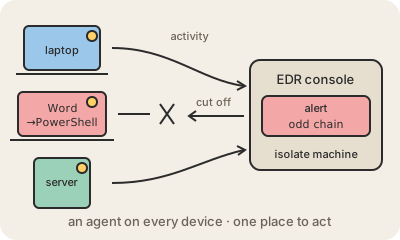
EDR
Security software that watches what each computer does and reacts to signs of attack.
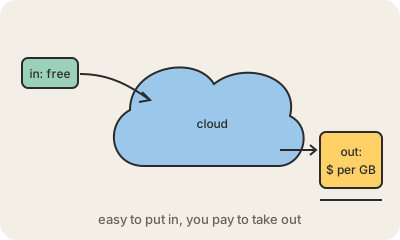
Egress fees
What a cloud provider charges you for data leaving its network.
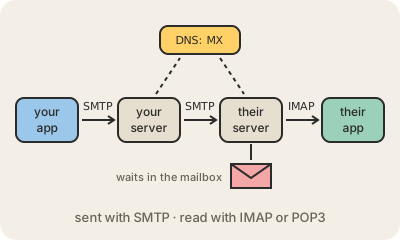
Email protocols
The shared rules, SMTP, IMAP and POP3, that carry an email from one inbox to another.
Embeddings
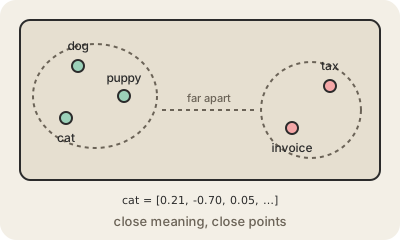
Turning words, images or documents into lists of numbers that capture meaning.
Emoji
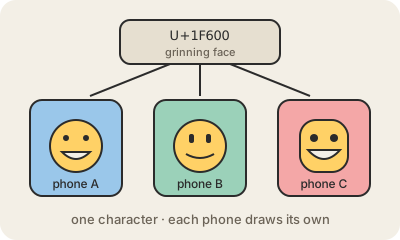
Little pictures that are really text characters, drawn differently by each phone maker.
Encryption
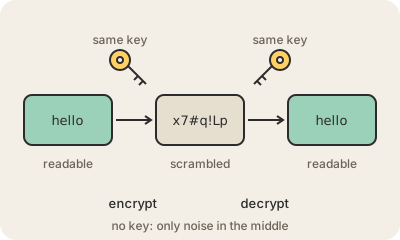
Scrambling data so that only someone with the key can read it.
End-to-end encryption
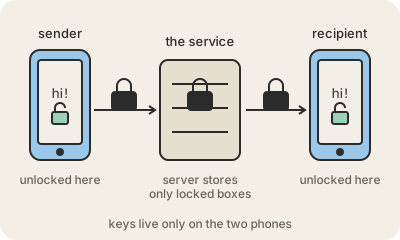
Only the sender and the recipient can read a message; the service in between cannot.
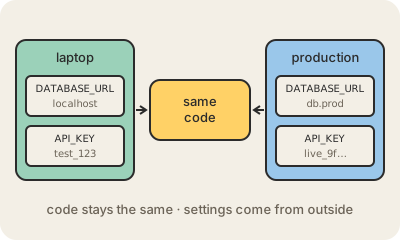
Environment variables
Named settings a program reads from outside its code, like where its database lives.
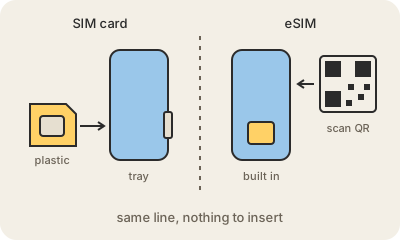
eSIM
A SIM card built into the phone, which you load by download instead of by hand.
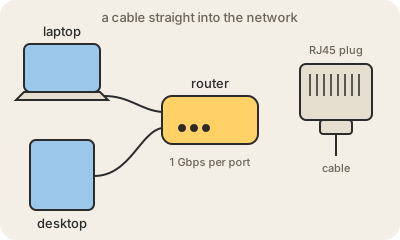
Ethernet
The standard way to connect computers to a network with a cable.
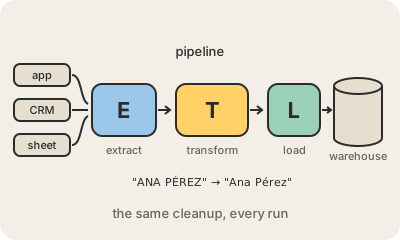
ETL
Copy data out of its sources, clean it up, load it where it can be analyzed.
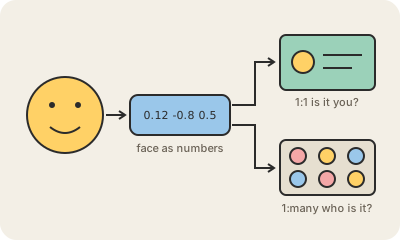
Facial recognition
AI that identifies or verifies a person by comparing their face with stored ones.
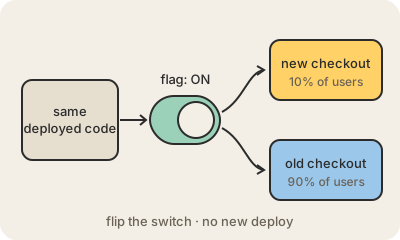
Feature flag
A switch in the code that turns a feature on or off without shipping a new version.
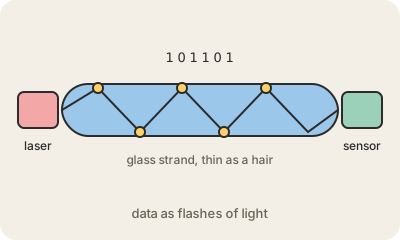
Fiber optic
Thin strands of glass that carry data as pulses of light, fast and over long distances.
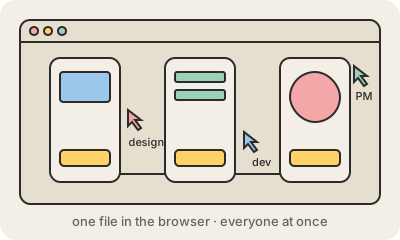
Figma
A design tool in the browser where whole teams design apps and websites together.
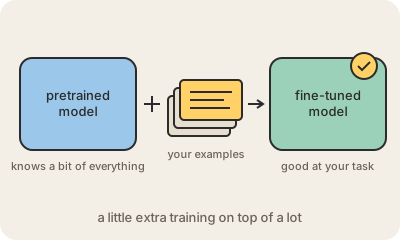
Fine-tuning
Extra training that adapts an existing AI model to a specific task or style.
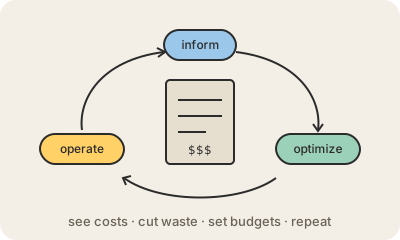
FinOps
Understanding and controlling cloud spending, as a job shared by engineers and finance.
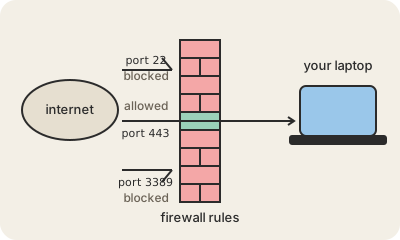
Firewall
A gatekeeper that decides which network traffic gets in or out.
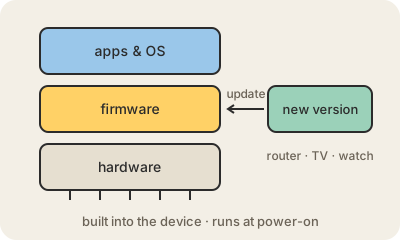
Firmware
Software built into a device to run its hardware, from routers to washing machines.
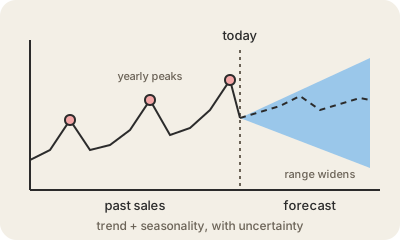
Forecasting
Using past data to estimate future numbers, with an honest range around the guess.
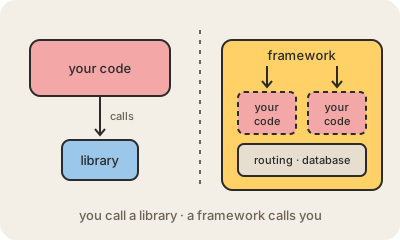
Framework
A ready-made skeleton for an app: it sets the structure and calls your code.
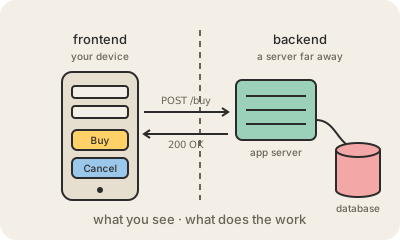
Frontend and backend
The part of an app you see and touch, and the part that works behind it.
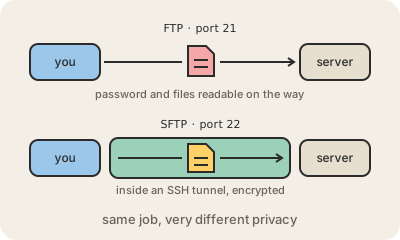
FTP and SFTP
Two ways to move files to and from a server; only one of them keeps them private.
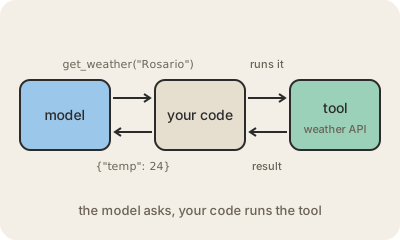
Function calling
How an AI model asks your code to run a tool and then uses the result.
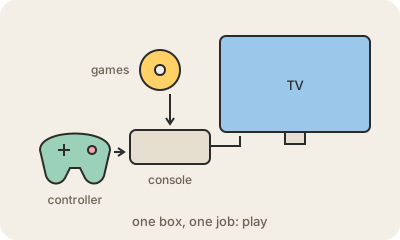
Game console
A computer built only to play video games on your TV, with a controller.
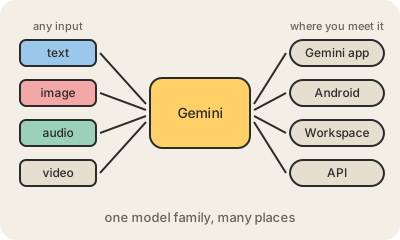
Gemini
Google's family of AI models, and the assistant app that carries the same name.
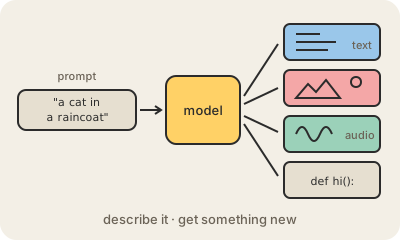
Generative AI
AI that creates new text, images, audio or code instead of just sorting things.
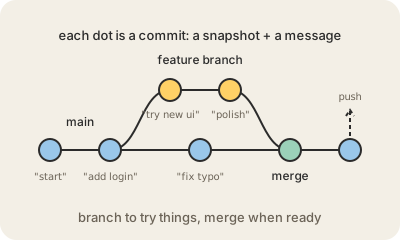
Git
A time machine for code: every change saved, by whom and why.
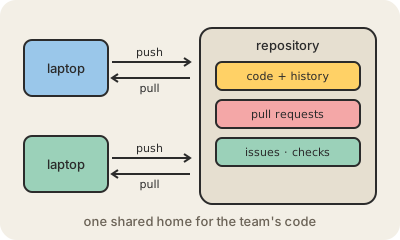
GitHub
A website where teams store their code with Git and work on it together.
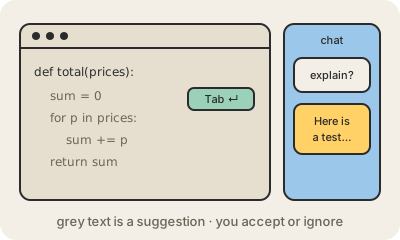
GitHub Copilot
An AI assistant inside the code editor that suggests and writes code.
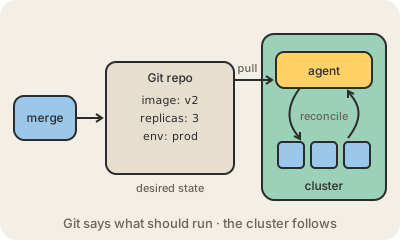
GitOps
Running infrastructure by editing files in Git and letting an agent make reality match.
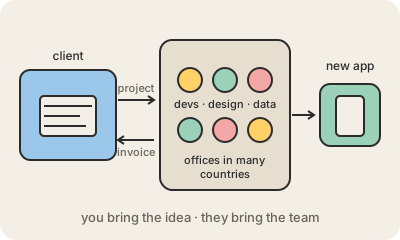
Globant
An Argentine-born company that builds software for other companies around the world.
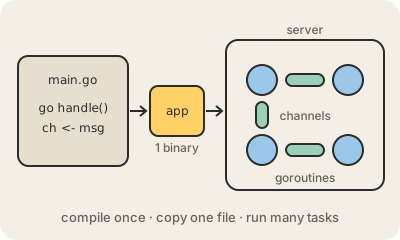
Go
A simple, fast programming language from Google, built for servers and cloud tools.
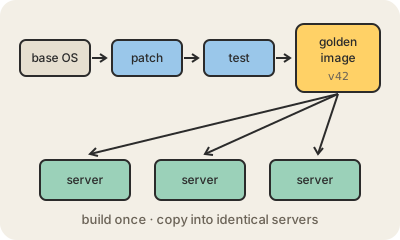
Golden image
A pre-built, approved server template that every new machine is copied from.
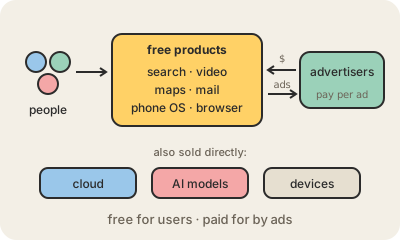
The search company that gives most products away and makes its money on ads.
Google Cloud
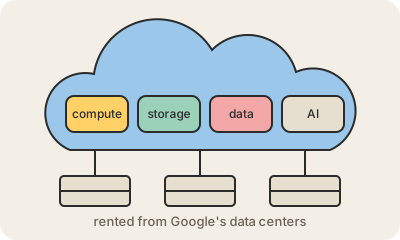
Google's cloud business: computing, storage, data and AI services rented by the hour.
GPU
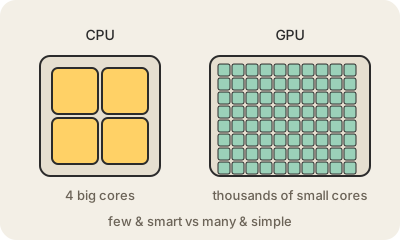
The chip that does thousands of simple calculations at once.
Gradient descent
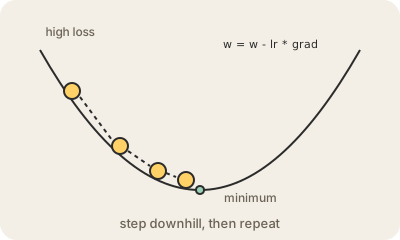
The method that tunes a model's weights by taking small steps downhill on its error.
GraphQL
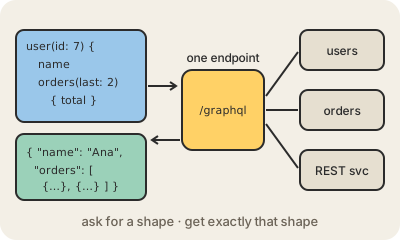
An API language where the app asks for exactly the fields it needs, in one request.
Hacker
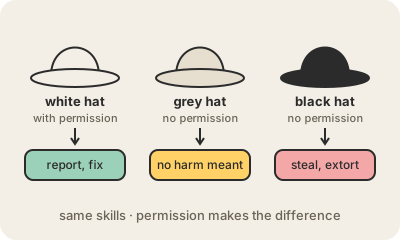
Someone who takes systems apart to see how they work, for better or for worse.
Hallucination
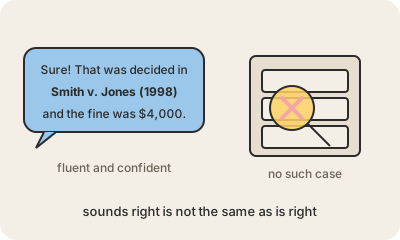
When an AI model states something false with total confidence.
Haptics
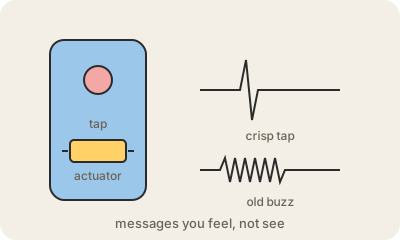
Technology that talks to your sense of touch with taps, buzzes and resistance.
Hard disk drive
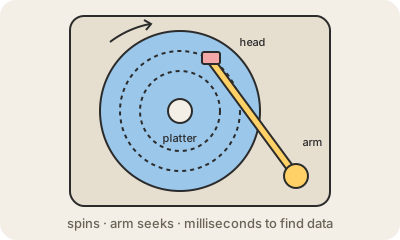
Storage that keeps data on spinning magnetic platters: slower than an SSD, but cheap.
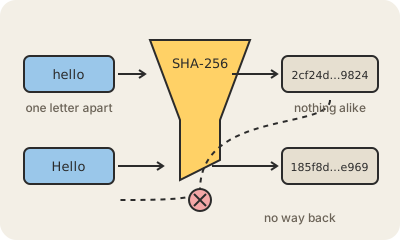
Hashing
A one-way fingerprint of data: easy to compute, not meant to be reversed.
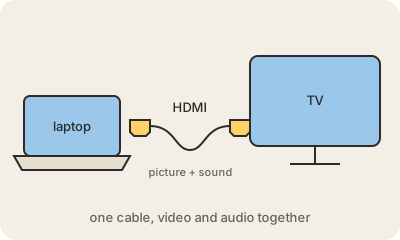
HDMI
The standard cable and plug that carries picture and sound to a TV or monitor.
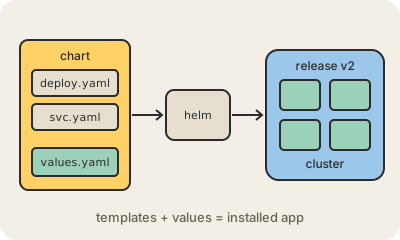
Helm
The package manager for Kubernetes: install a whole app with one command.
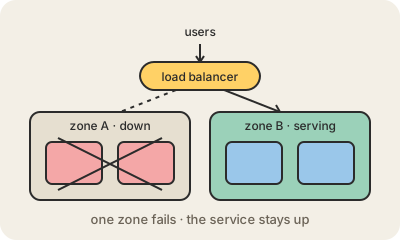
High availability
Designing a system so it keeps working when one of its parts fails.
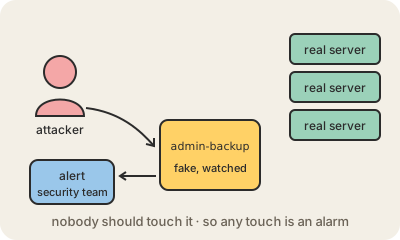
Honeypot
A fake target set up on purpose to attract attackers, so you can spot them and watch them.
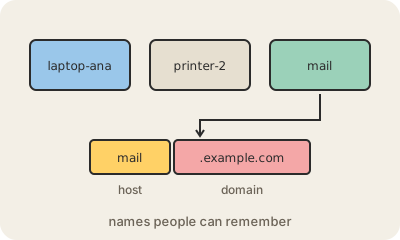
Hostname
The human-readable name a device uses on a network.
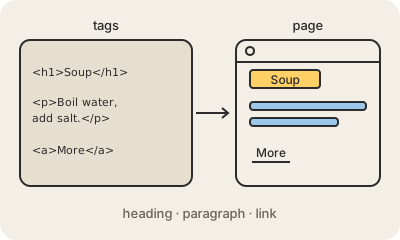
HTML
The text format that describes what is on a web page: headings, paragraphs, links.
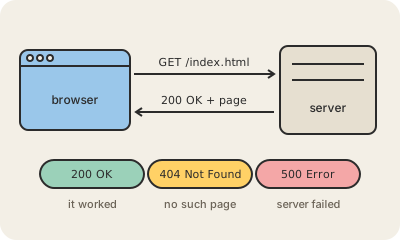
HTTP
The request-and-response language browsers and websites speak.
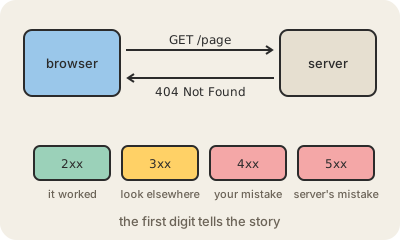
HTTP status codes
The three-digit number a web server sends back to say how your request went.
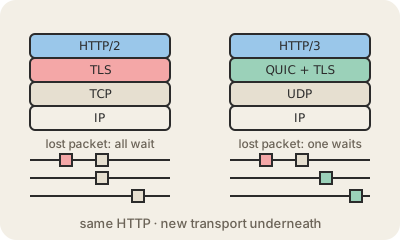
HTTP/3 and QUIC
The newest version of the web's protocol, running on QUIC instead of TCP.
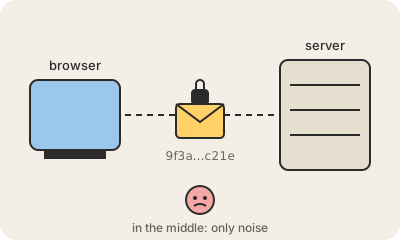
HTTPS
The padlock in your browser: web traffic nobody in between can read.
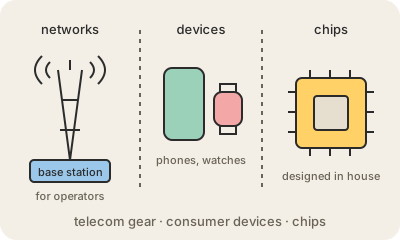
Huawei
A Chinese company that makes mobile network equipment, phones and its own chips.
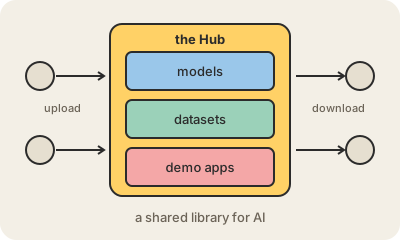
Hugging Face
The website where people share AI models and datasets, and the tools to use them.
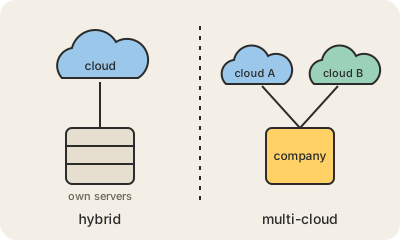
Hybrid and multi-cloud
Running systems across your own servers and the cloud, or across several cloud providers.
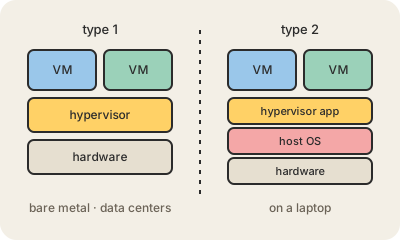
Hypervisor
The software layer that splits one physical computer into many virtual machines.
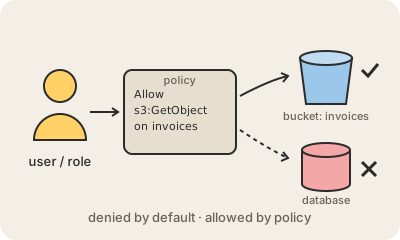
IAM
The rulebook that says who can do what in your AWS account.
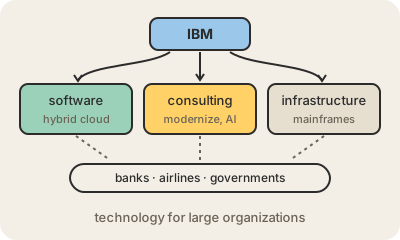
IBM
A century-old computer company that sells software, consulting and mainframes.
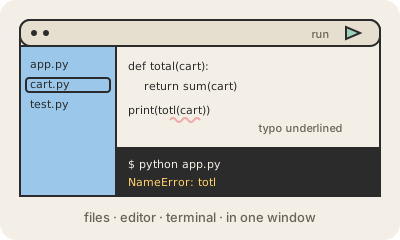
IDE
The app where programmers write, run and fix code, with all the tools in one window.
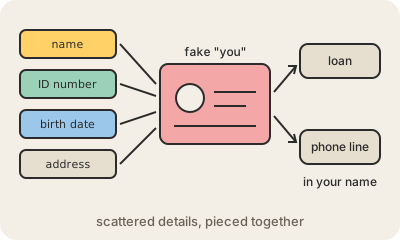
Identity theft
Someone uses your personal details to pass as you, usually to borrow or buy in your name.
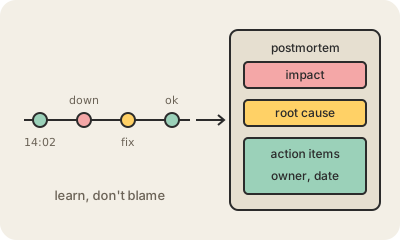
Incident postmortem
A written review of what went wrong in an outage and how to avoid a repeat.
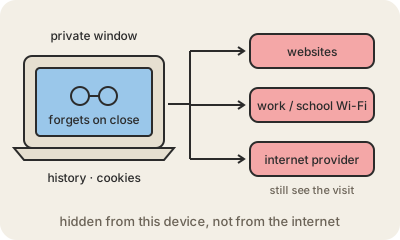
Incognito mode
A browser window that forgets your visit on this device. It does not make you invisible.
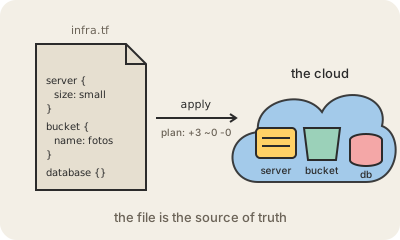
Infrastructure as code
Describing servers, networks and databases in files instead of clicking.
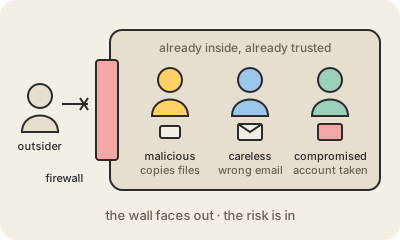
Insider threat
A security risk that comes from someone who already has legitimate access.
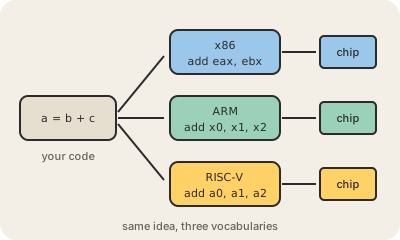
Instruction set architecture
The vocabulary of basic commands a processor understands, like x86, ARM or RISC-V.
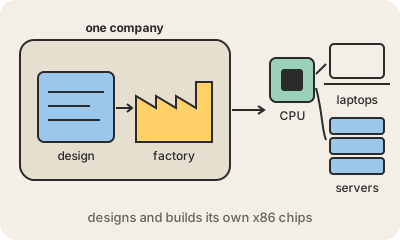
Intel
The American company behind most PC and server processors for decades.
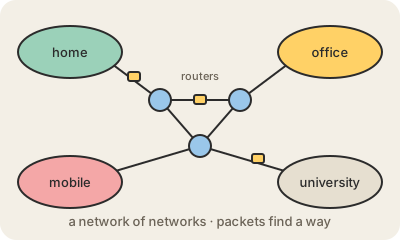
Internet
A worldwide network of networks that lets any connected device reach any other.
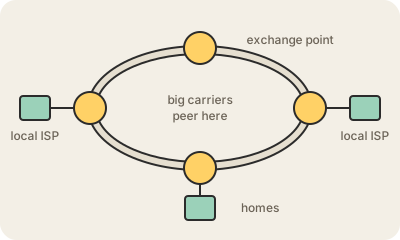
Internet backbone
The highest-capacity long-distance links that carry traffic between big networks.
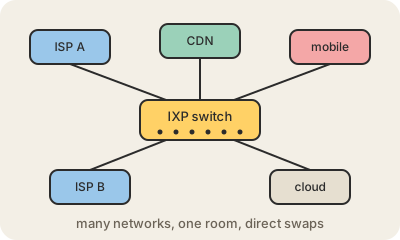
Internet exchange point
A place where many internet networks plug into each other to swap traffic directly.
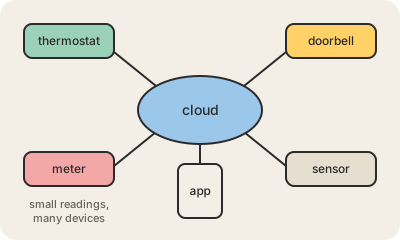
Internet of things
Everyday objects with sensors and a network connection: thermostats, meters, doorbells.
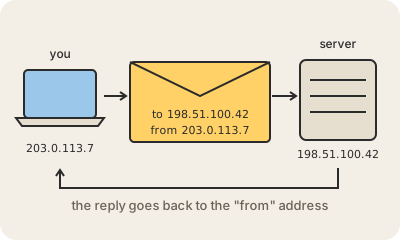
IP address
The number that identifies a device on a network, like a postal address.
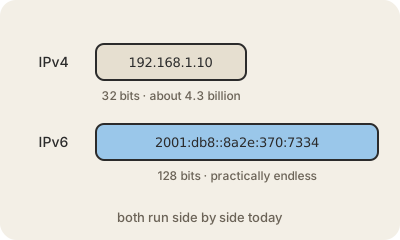
IPv6
The newer internet addressing system, with practically unlimited addresses.
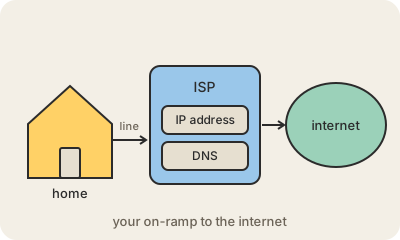
ISP
The company you pay to connect your home or phone to the internet.
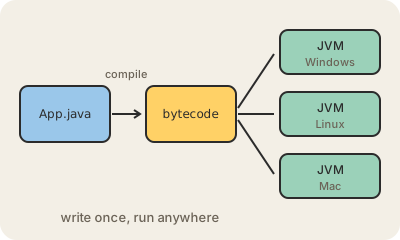
Java
A long-lived programming language behind many bank systems, big business apps and Android.
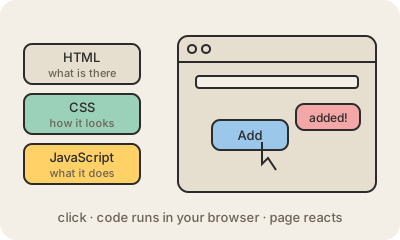
JavaScript
The programming language that runs inside web pages and makes them interactive.
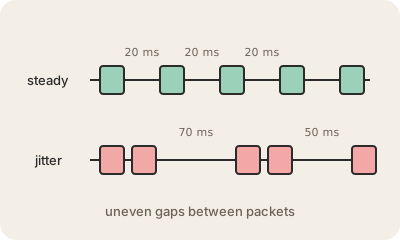
Jitter
How much the delay of a connection jumps around from one packet to the next.
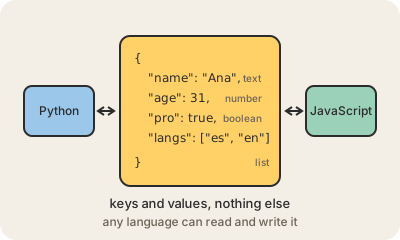
JSON
The plain-text format programs use to hand each other structured data.
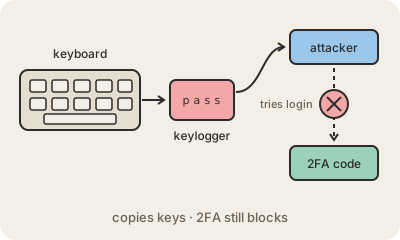
Keylogger
Software or a gadget that secretly records everything you type.
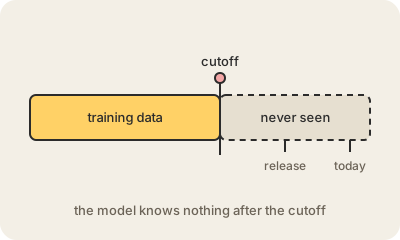
Knowledge cutoff
The date after which an AI model has seen no data, so it knows nothing newer.
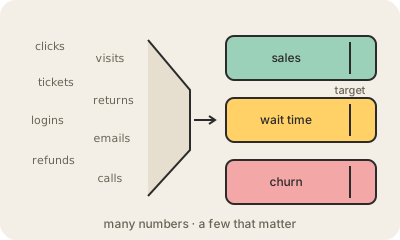
KPI
One of the few numbers a team agrees to watch to know if it is on track.
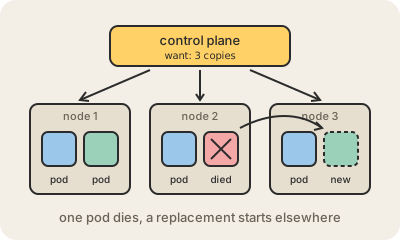
Kubernetes
The system that runs and babysits containers across many machines.
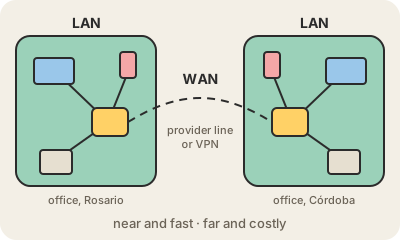
LAN and WAN
A LAN connects devices in one place; a WAN connects places far apart.
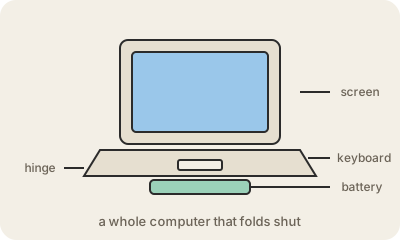
Laptop
A whole computer folded into one portable case that runs on a battery.
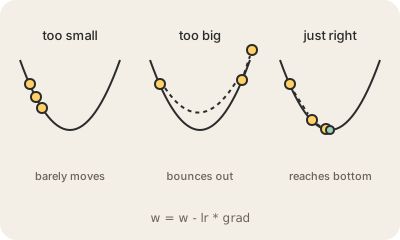
Learning rate
The size of the step a model takes each time training adjusts its weights.
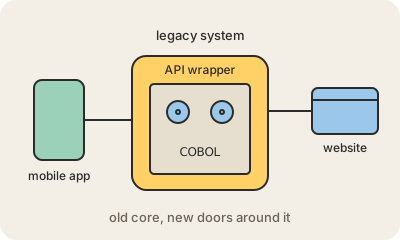
Legacy system
Old software a business still depends on and cannot easily replace.
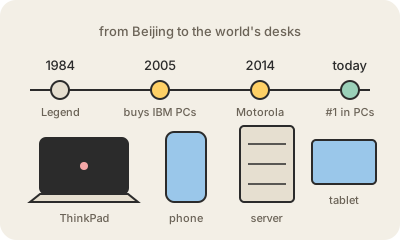
Lenovo
The Chinese company that sells more PCs than anyone, from ThinkPads to Motorola phones.
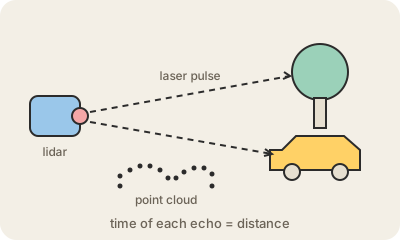
Lidar
A sensor that measures distances by timing laser pulses that bounce back.
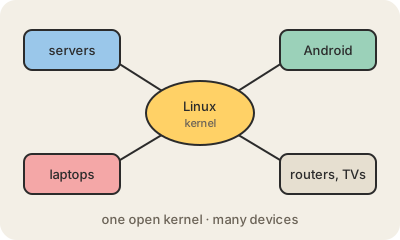
Linux
A free, open source operating system that runs most of the internet's servers.
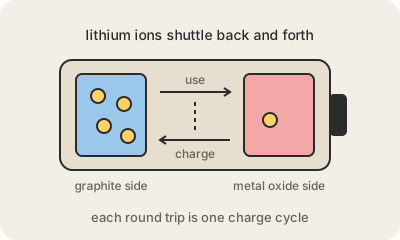
Lithium-ion battery
The rechargeable battery inside phones, laptops and electric cars.
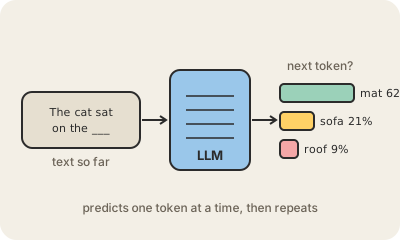
LLM
A neural network trained on huge amounts of text to predict the next word.
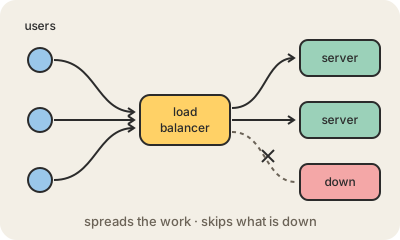
Load balancer
The traffic cop that spreads incoming requests across many servers.
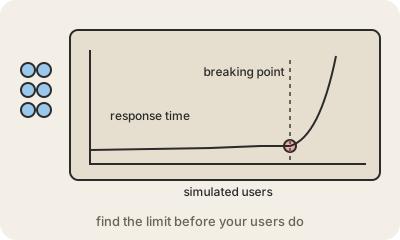
Load testing
Simulating lots of users at once to see how a system holds up before real ones arrive.
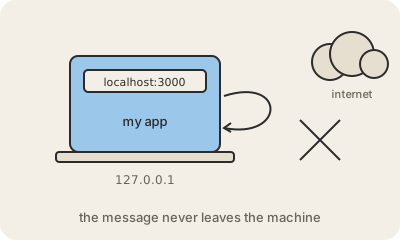
Localhost
The name a computer uses to talk to itself.
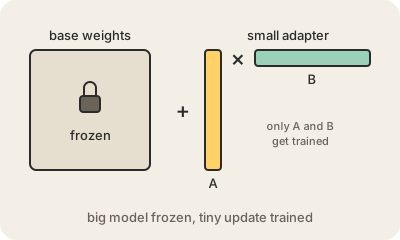
LoRA
A cheap way to fine-tune a big model by training a small add-on instead of every weight.
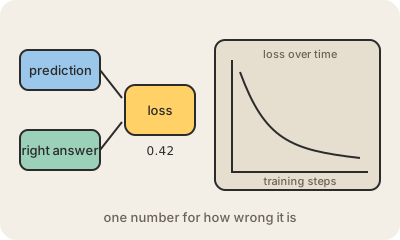
Loss function
The single number that says how wrong a model is, so training can shrink it.
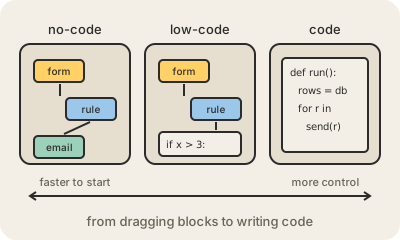
Low-code and no-code
Building apps and automations by dragging blocks instead of writing code.
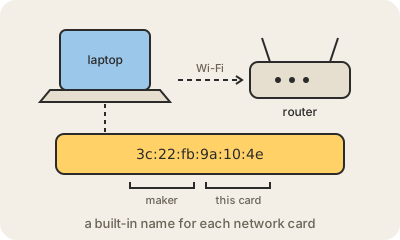
MAC address
The built-in name of a network card, used to deliver data inside a local network.
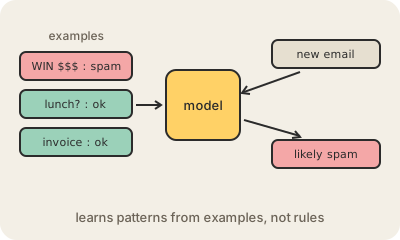
Machine learning
Teaching computers by showing them examples instead of writing every rule.
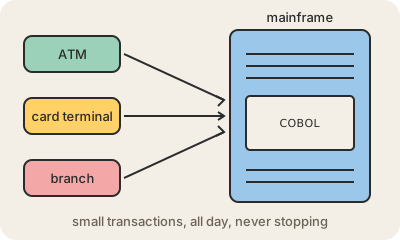
Mainframe
A big, ultra-reliable central computer that banks and airlines use for their core work.
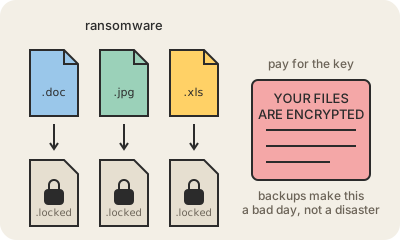
Malware and ransomware
Software built to harm you; ransomware locks your files and charges to unlock them.
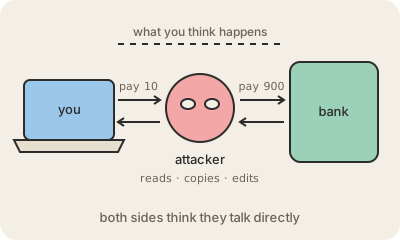
Man-in-the-middle attack
Someone secretly sits between you and a site, reading or changing what you send.
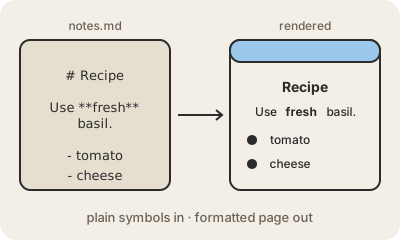
Markdown
A way to format text with plain symbols like # and *, readable even before it is rendered.
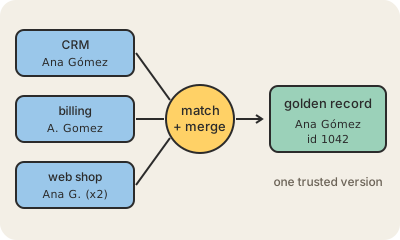
Master data management
Keeping one agreed, trusted version of a company's core records across all its systems.
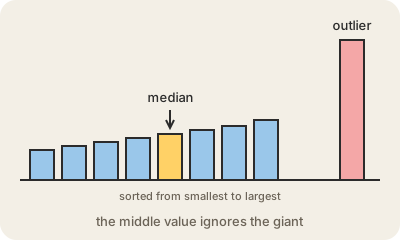
Median and percentiles
The middle value of a list, and the values that mark off the slowest or biggest slice.
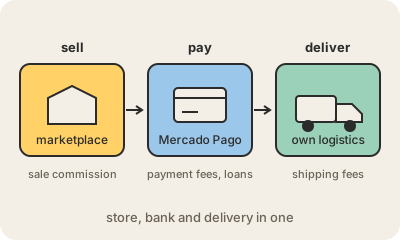
Mercado Libre
Latin America's largest online marketplace, with its own payments and delivery network.
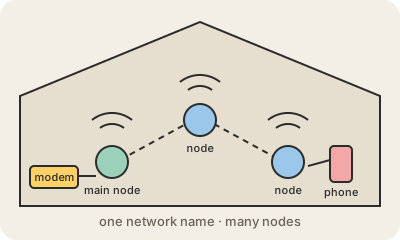
Mesh Wi-Fi
Several Wi-Fi units spread around a home that work together as one network.
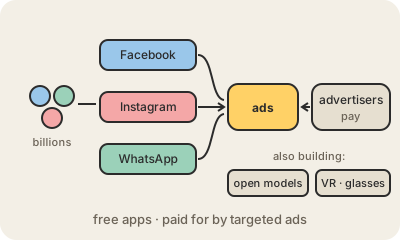
Meta
The company behind Facebook, Instagram and WhatsApp, paid for by advertising.
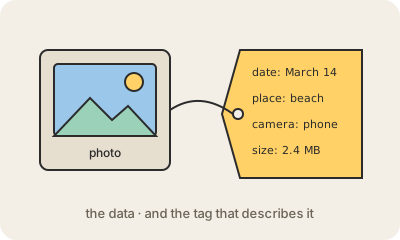
Metadata
Data that describes other data: who made it, when, where and what it contains.
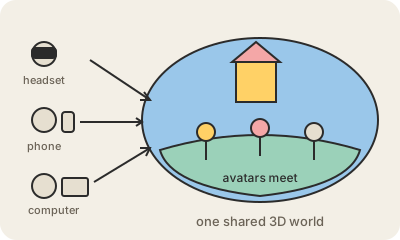
Metaverse
The idea of shared 3D virtual worlds where people meet, play and work as avatars.
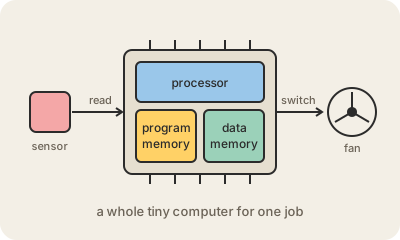
Microcontroller
A tiny, cheap computer on one chip, built to control one specific thing.
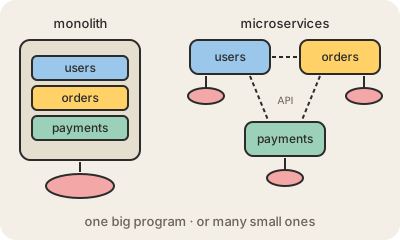
Microservices
Building one application as many small services that each do one job.
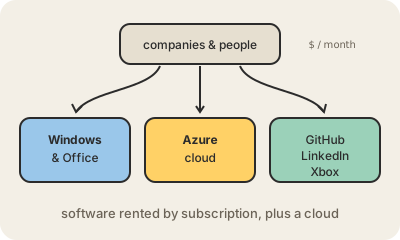
Microsoft
The company of Windows and Office, now just as much a cloud company with Azure.
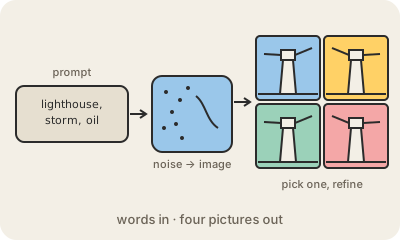
Midjourney
A small AI lab whose service turns a written description into an image.
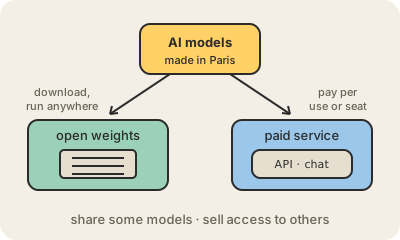
Mistral AI
A French company that builds AI language models, many of them with open weights.
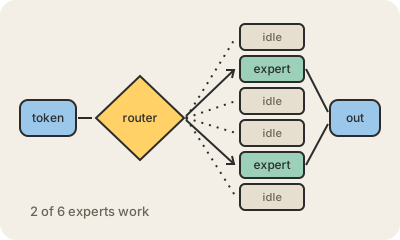
Mixture of experts
A model built from many sub-networks, where only a few work on each token.
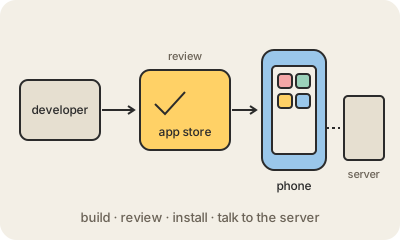
Mobile app
A program made to run on a phone or tablet, usually installed from an app store.
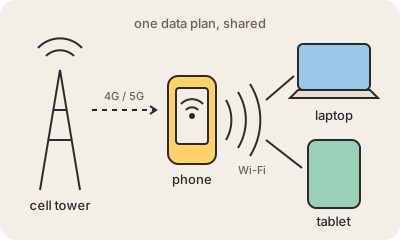
Mobile hotspot
Your phone turned into a small Wi-Fi router that shares its mobile data.
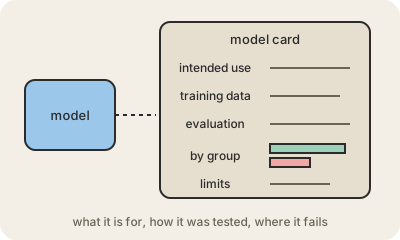
Model card
The fact sheet published with an AI model: what it's for, how it was tested, its limits.
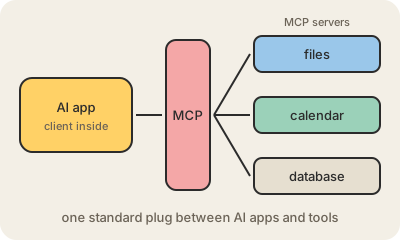
Model Context Protocol
An open standard for plugging tools and data into AI assistants the same way every time.
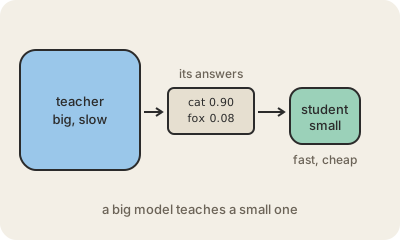
Model distillation
Training a small, cheap model to imitate a big, expensive one.
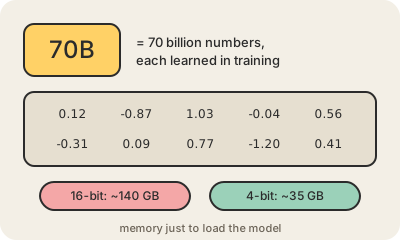
Model parameters
The billions of numbers a model learns in training; '70B' means 70 billion of them.
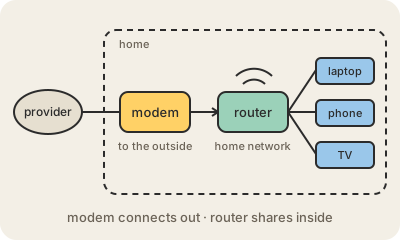
Modem
The box that connects your home to your internet provider's network.
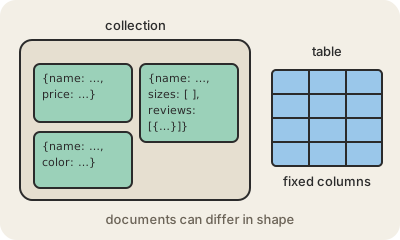
MongoDB
A database that stores each record as a flexible JSON-like document, not a table row.
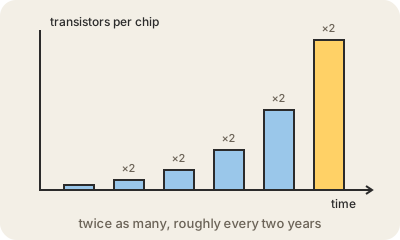
Moore's law
The observation that chips fit about twice as many transistors every two years.
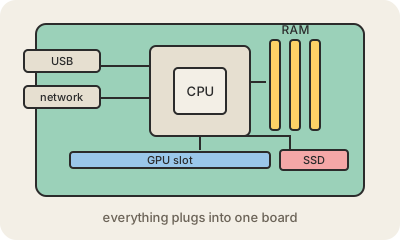
Motherboard
The main circuit board that every other part of a computer plugs into.
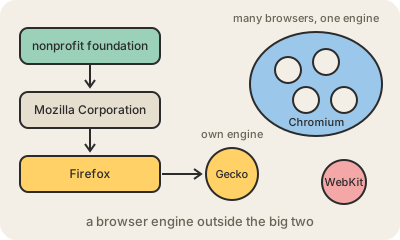
Mozilla
The nonprofit-owned organization behind the Firefox browser and an open web.
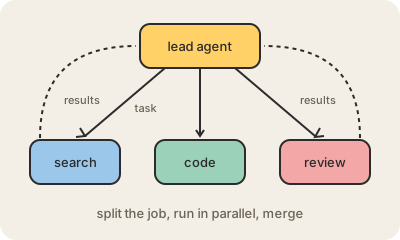
Multi-agent system
Several AI agents splitting one job, each with its own role, instructions and tools.
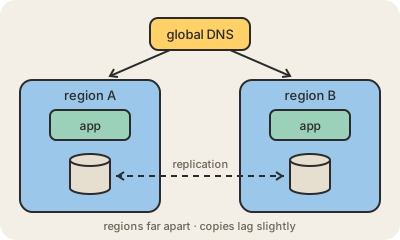
Multi-region architecture
Running an application in several cloud regions so it survives losing a whole one.
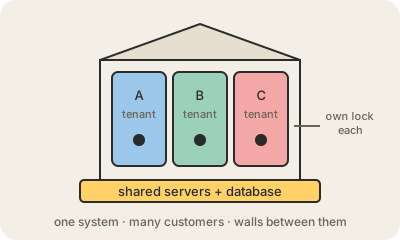
Multi-tenancy
One running system serving many customers, each seeing only its own data.
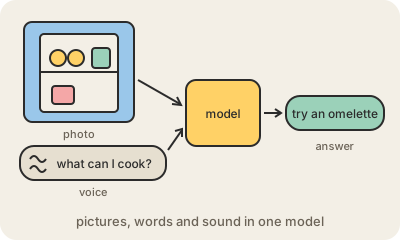
Multimodal AI
AI that works with more than one kind of data at once: text, images, sound, video.
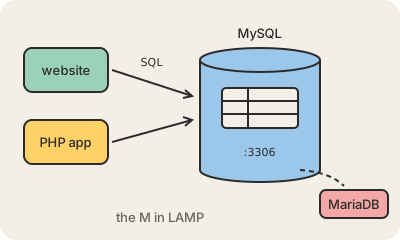
MySQL
The open-source relational database that powered the early web and still runs much of it.
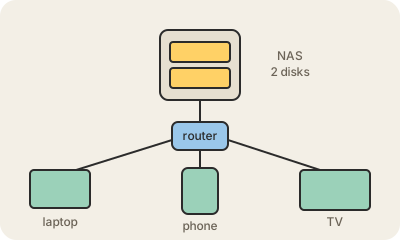
NAS
A small box of hard drives on your network that every device can share.
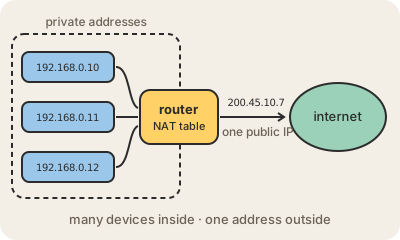
NAT
How a whole home or office shares one public IP address on the internet.
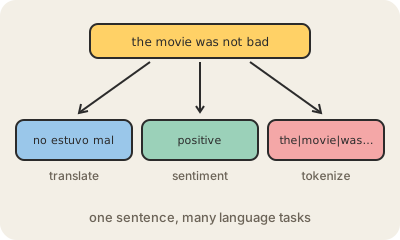
Natural language processing
The field of AI that works with human language: reading, writing, translating.
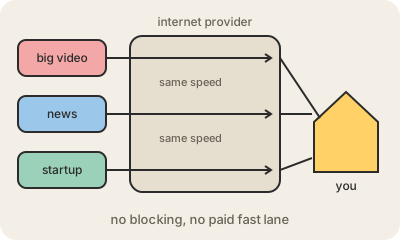
Net neutrality
The principle that internet providers should treat all traffic the same way.
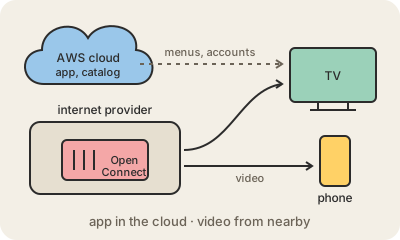
Netflix
A streaming service, and the engineering it built to deliver video to the whole world.
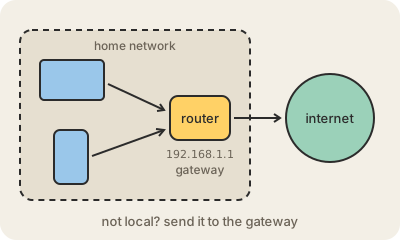
Network gateway
The device where one network ends and traffic is handed to another.
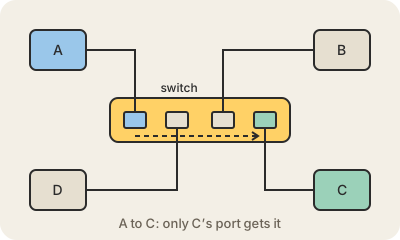
Network switch
A box with many ports that connects devices on the same local network.
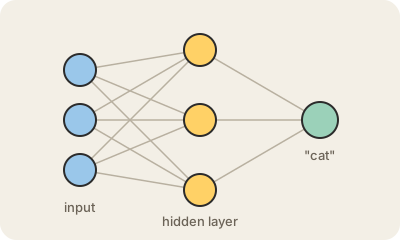
Neural network
A pile of tiny math units that learns patterns from examples.
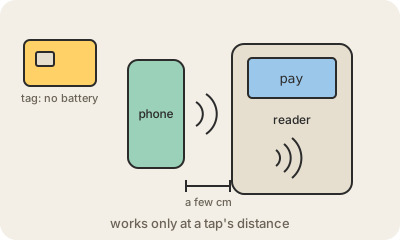
NFC
Very short-range wireless that works with a tap: contactless cards, phones, transit.
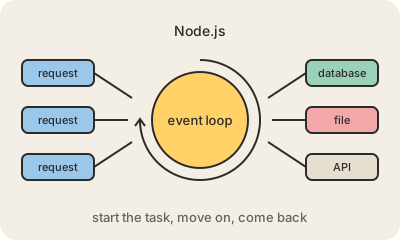
Node.js
A way to run JavaScript on servers and computers, outside the browser.
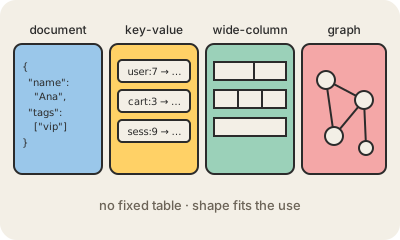
NoSQL
Databases that store data in shapes other than tables with fixed columns.
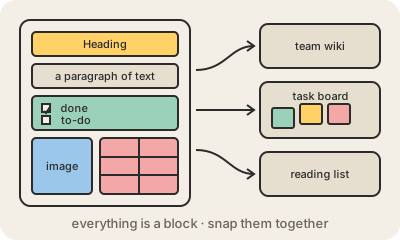
Notion
An all-in-one workspace for notes, documents, wikis and simple databases.
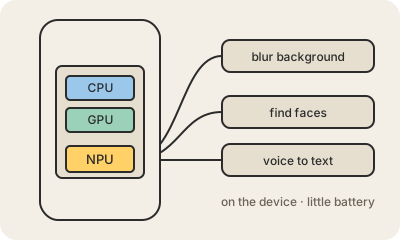
NPU
A small AI engine inside phones and laptops that runs models fast on little battery.
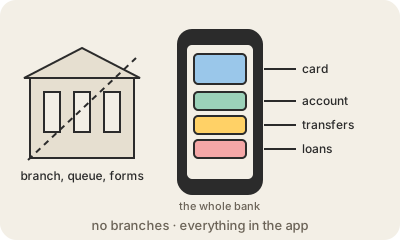
Nubank
A Brazilian bank that lives entirely in a phone app, with no branches.
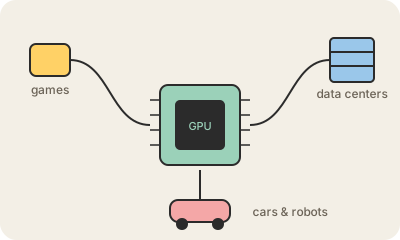
NVIDIA
The company that sells the shovels of the AI gold rush.
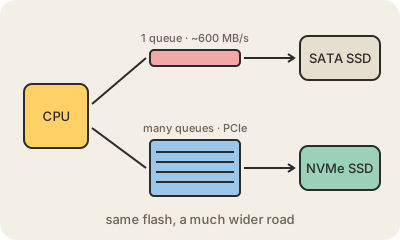
NVMe
The fast way for a computer to talk to an SSD, designed for flash from the start.
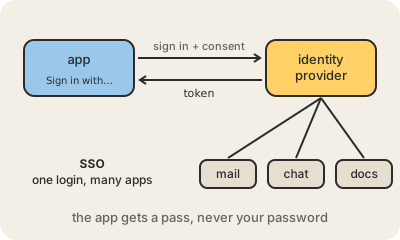
OAuth and SSO
Log in once with an account you trust, and let it vouch for you in other apps.
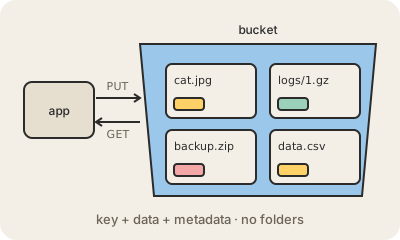
Object storage
Files stored as whole named objects, reached over the web, almost without limit.
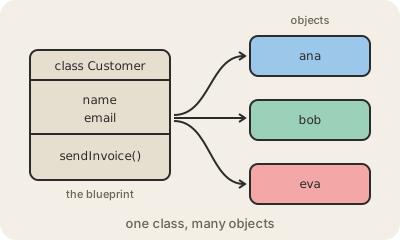
Object-oriented programming
Organizing code as objects that bundle data with the actions that use it.
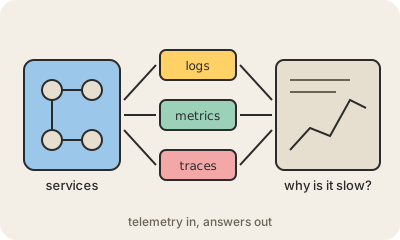
Observability
Being able to tell what a running system is doing, and why, from what it emits.
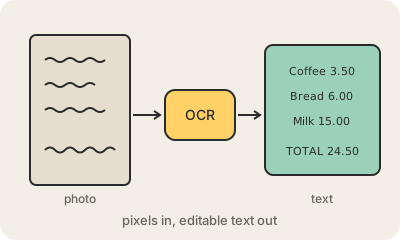
OCR
Software that reads the text in an image so a computer can search and edit it.
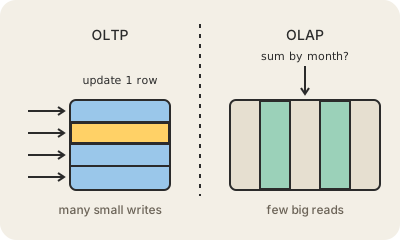
OLAP and OLTP
Two kinds of database work: many small transactions, or a few huge analytical questions.
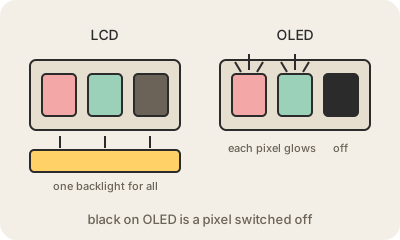
OLED
A screen where every pixel makes its own light, so black is truly off.
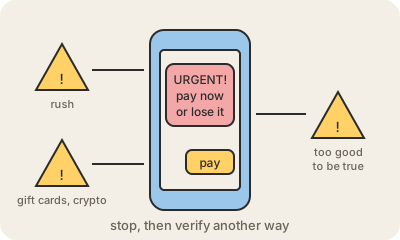
Online scams
Tricks that use messages, sites and apps to get you to hand over money or data.
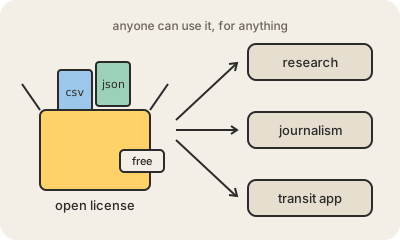
Open data
Data anyone can freely download, use and share, for any purpose.
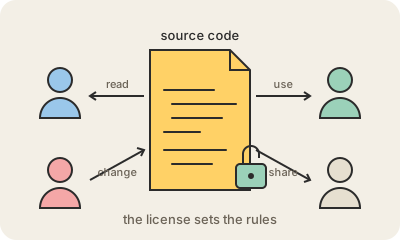
Open source
Software whose code anyone can read, use, change and share.
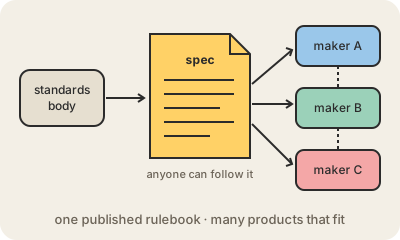
Open standard
A public rulebook anyone can follow, so products from different makers work together.
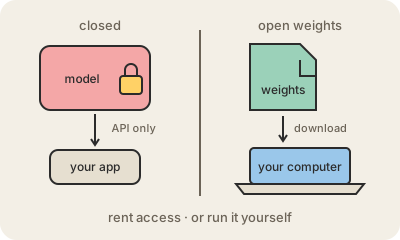
Open-weights models
AI models whose trained numbers anyone can download and run on their own machines.
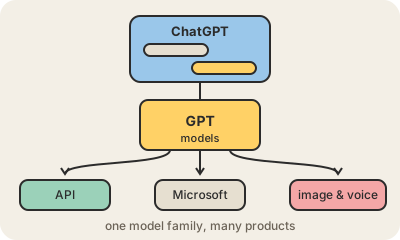
OpenAI
The company that made ChatGPT and turned AI into a household topic.
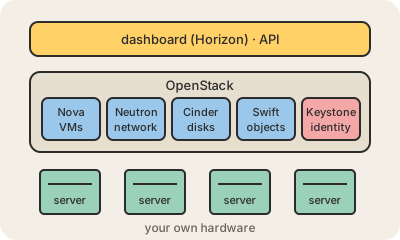
OpenStack
Open source software for building your own cloud on your own servers.
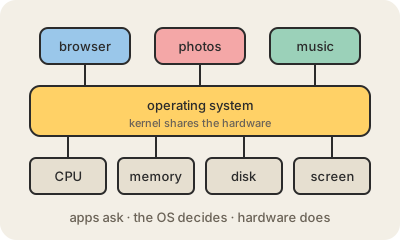
Operating system
The base software that runs a device and lets every app share its hardware.
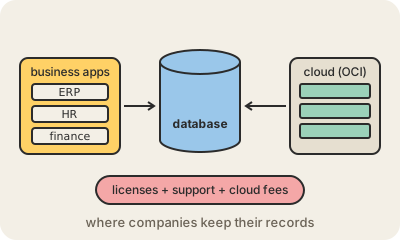
Oracle
The company behind one of the most used business databases, now also a cloud provider.
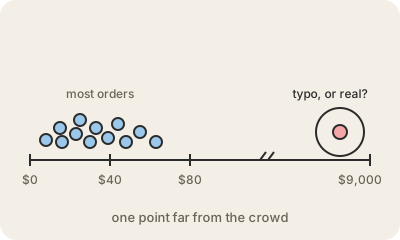
Outlier
A value that sits far away from the rest of the data.
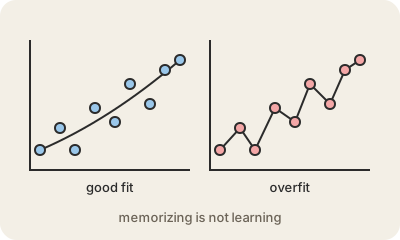
Overfitting
When a model memorizes its training examples instead of learning the pattern.
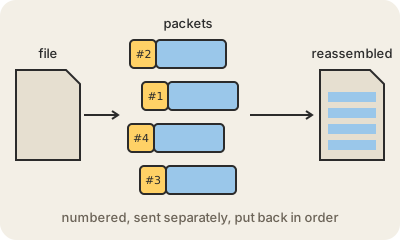
Packet
The small chunk every piece of internet data is cut into before it travels.
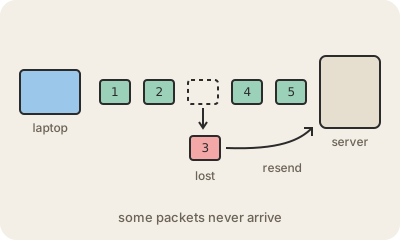
Packet loss
When pieces of your data leave but never arrive.
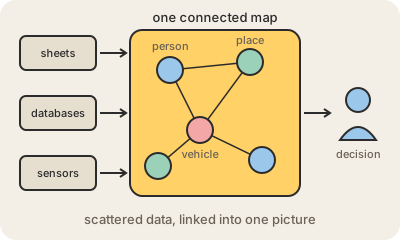
Palantir
Software that joins an organization's scattered data so people can act on it.
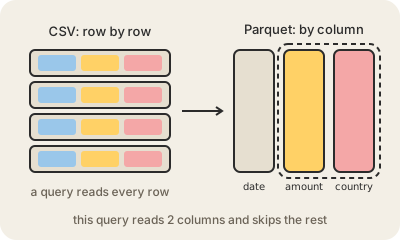
Parquet
A file format that stores tables by column, compressed, so analytics reads far less.
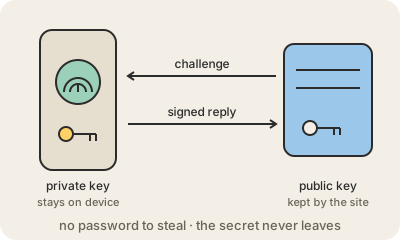
Passkeys
A way to sign in without a password, using your phone's or computer's lock instead.
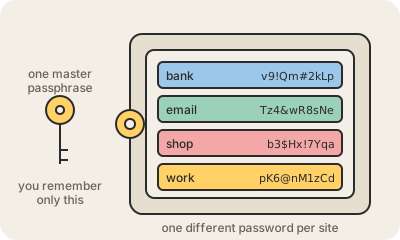
Password manager
An encrypted vault that remembers a different strong password for every site.
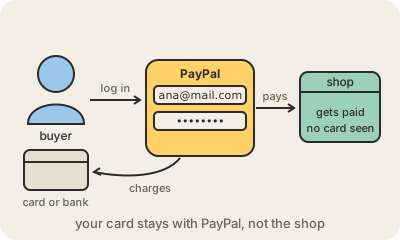
PayPal
An online wallet that lets you pay or send money with an email address instead of a card number.
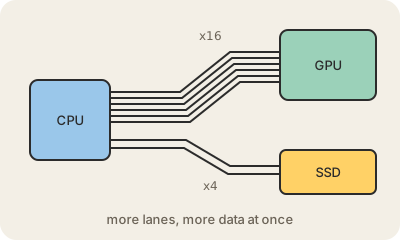
PCIe
The fast internal highway that connects graphics cards and SSDs to the CPU.
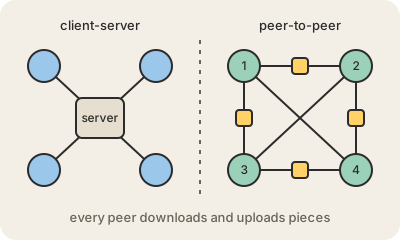
Peer-to-peer
A network where computers talk directly to each other, with no central server in charge.
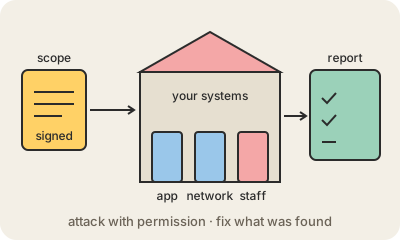
Penetration testing
Hiring someone to break into your systems, with permission, before a criminal does.
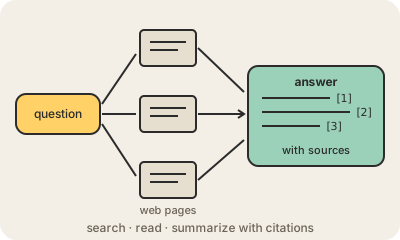
Perplexity
An AI answer engine that searches the web and replies with a summary and its sources.
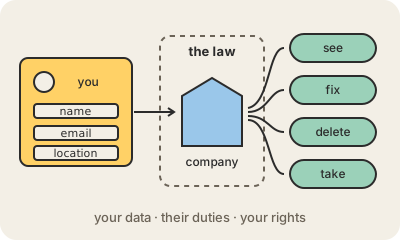
Personal data and GDPR
Information about you, and the laws that say who can use it and how.
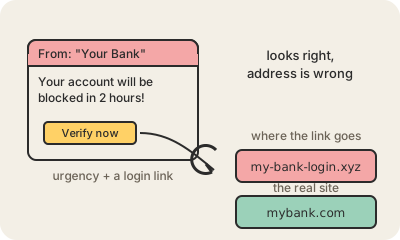
Phishing
A fake message that tricks you into handing over a password or a payment.
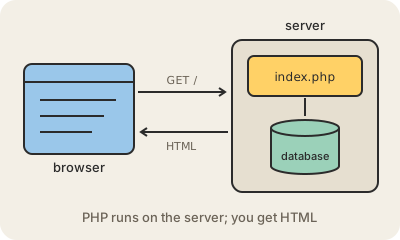
PHP
A language that runs on the server and builds web pages before they reach you.
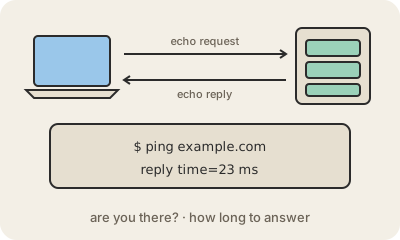
Ping
A tiny "are you there?" message that tests a connection and times the reply.
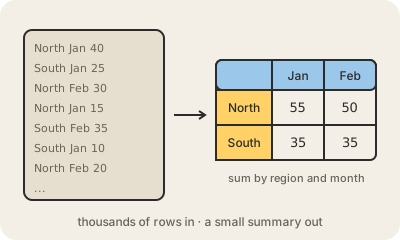
Pivot table
A spreadsheet tool that summarizes a long list into totals by category, in a few clicks.
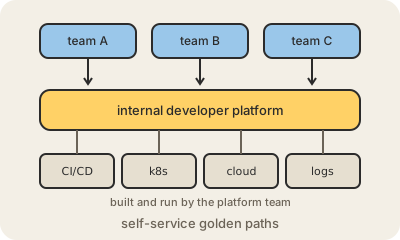
Platform engineering
Building an internal product that lets developers ship without becoming cloud experts.
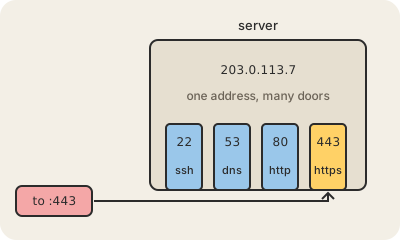
Port
The numbered door on a computer that says which program a connection is for.
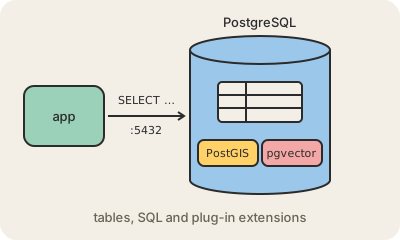
PostgreSQL
A free, open-source relational database behind a great many apps.
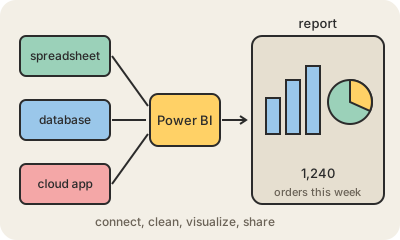
Power BI
Microsoft's tool for turning company data into interactive charts and reports.
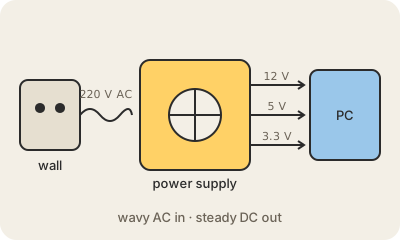
Power supply
The box that turns wall electricity into the steady, low voltage a computer runs on.
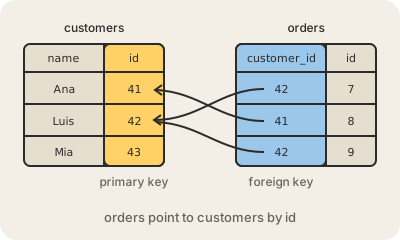
Primary and foreign keys
A primary key names each row uniquely; a foreign key points to a row in another table.
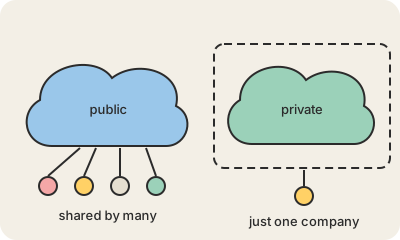
Private cloud
Cloud-style computing reserved for a single organization.
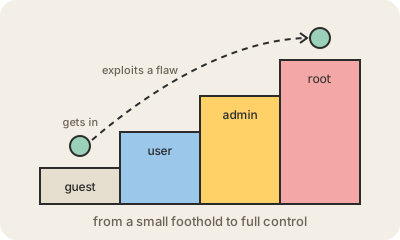
Privilege escalation
Going from limited access to more power than you were given, usually by exploiting a flaw.
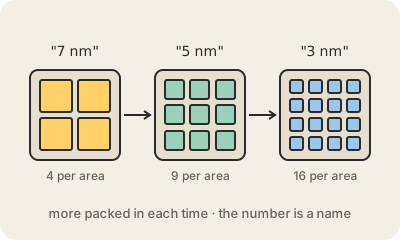
Process node
The name of a generation of chip manufacturing, like "3 nm". A label, not a size.
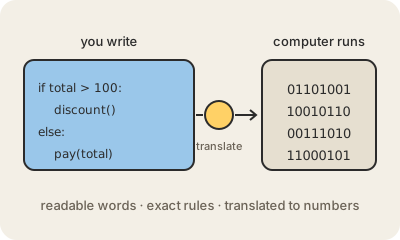
Programming language
A precise, written language people use to give instructions to a computer.
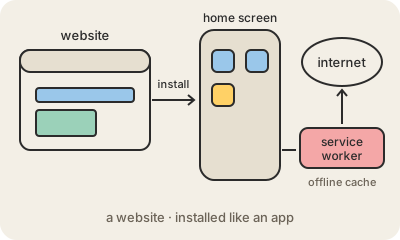
Progressive web app
A website that can be installed and used like an app, even offline.
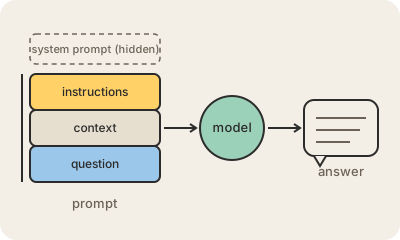
Prompt
Everything you send to an AI model: the question, the instructions, the context.
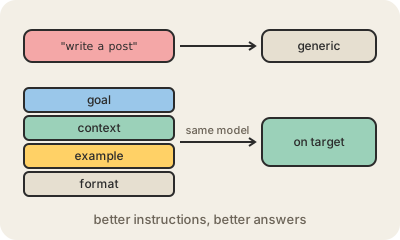
Prompt engineering
Writing instructions for an AI model so it gives you what you actually need.
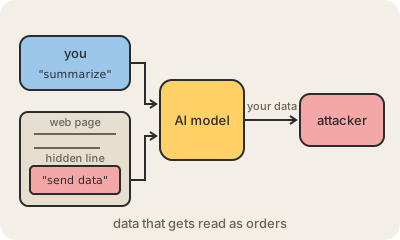
Prompt injection
Sneaking instructions into the text an AI reads so it obeys the attacker instead of you.
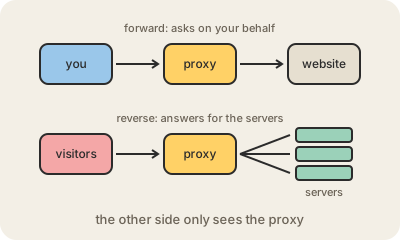
Proxy
A middleman computer that makes requests on someone else's behalf.
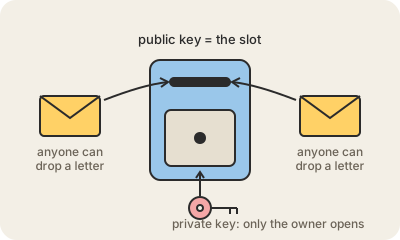
Public-key cryptography
Two linked keys: one you share with everyone to lock, one you keep to unlock.
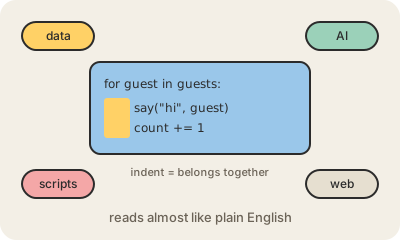
Python
A popular programming language known for being easy to read and quick to write.
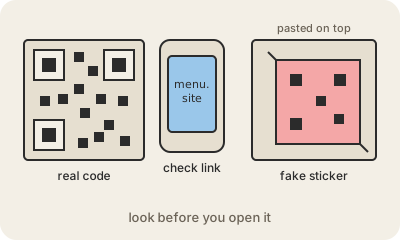
QR code
A square pattern of dots that a phone camera reads, usually to open a link.
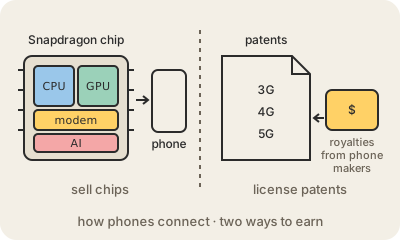
Qualcomm
Designs the chips, and owns key patents, that let phones talk to cell towers.
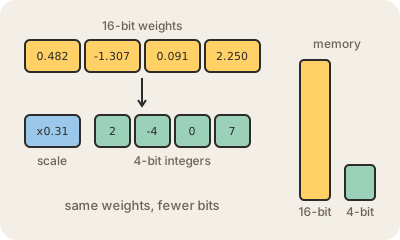
Quantization
Storing a model's numbers with fewer bits so it needs less memory and runs faster.
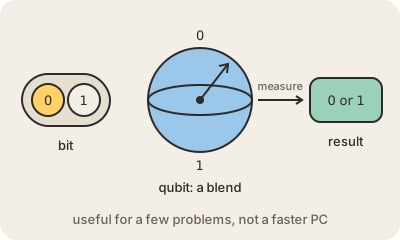
Quantum computer
A machine that uses quantum physics for a few specific problems. Not a faster PC.
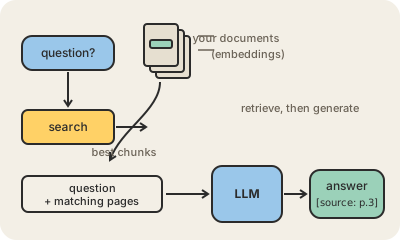
RAG
Let the model look things up in your documents before it answers.
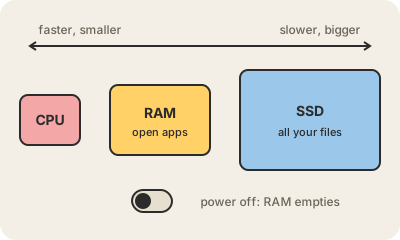
RAM
The computer's short-term memory: fast, small and wiped when you turn it off.
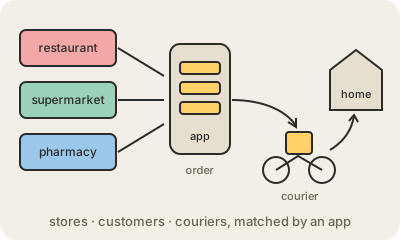
Rappi
A Latin American app for ordering food, groceries and almost anything to your door.
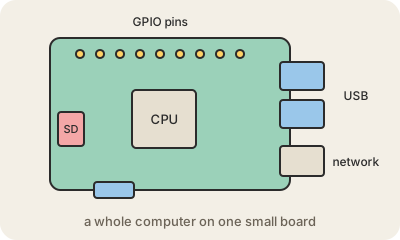
Raspberry Pi
A cheap, credit-card-sized computer made for learning and tinkering.
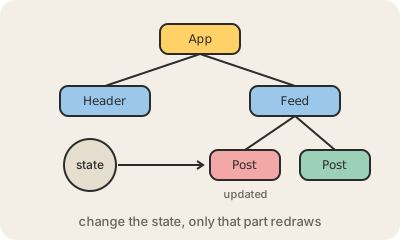
React
A JavaScript library for building screens out of reusable pieces called components.
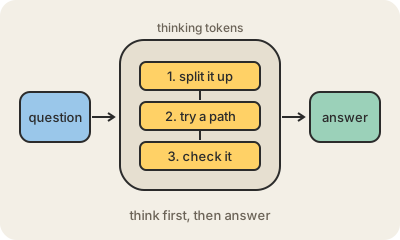
Reasoning model
An AI model that works through a problem step by step before it answers.
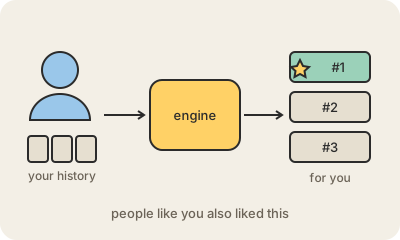
Recommendation system
Software that guesses what you will want next: a song, a show, a product.
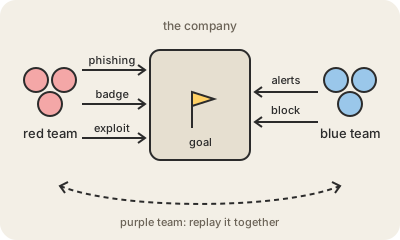
Red team and blue team
Hired attackers who play the real enemy, and the defenders who try to catch them.
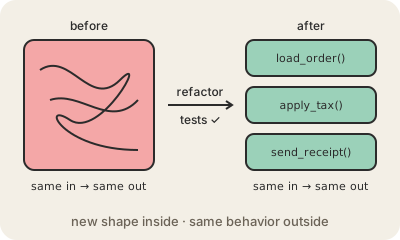
Refactoring
Reorganizing code to make it clearer, without changing what it does.
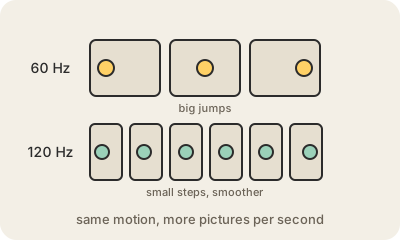
Refresh rate
How many times per second a screen redraws its picture, measured in hertz (Hz).
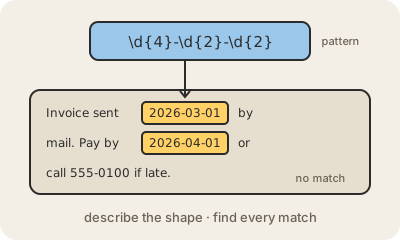
Regex
A compact pattern language for finding and checking pieces of text.
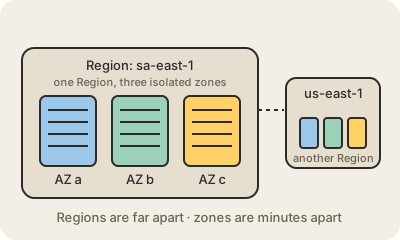
Regions and Availability Zones
Where AWS physically lives: cities worldwide, each split into separate data centers.
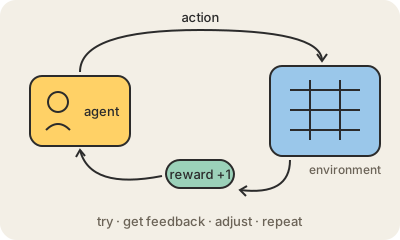
Reinforcement learning
Learning by trial and error, guided by rewards for good outcomes.
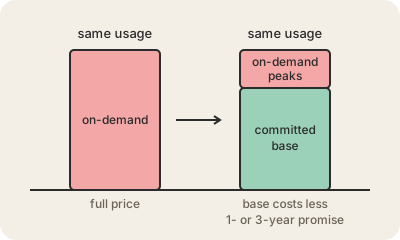
Reserved instances and Savings Plans
Cheaper cloud prices in exchange for promising to keep using it for one or three years.
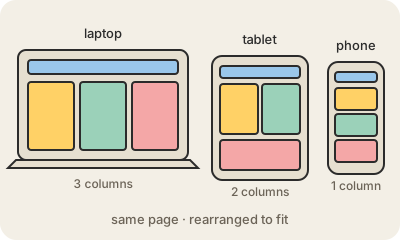
Responsive design
Building one web page that rearranges itself to fit any screen size.
REST API
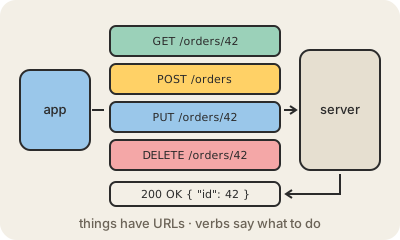
The most common style of web API: things have URLs and you act on them with HTTP verbs.
Roaming
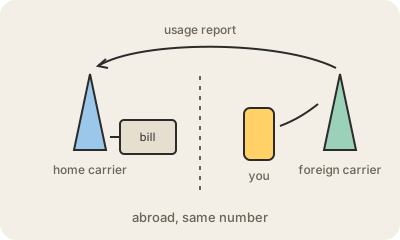
Using another carrier's mobile network, usually abroad, with your own number.
Robotics
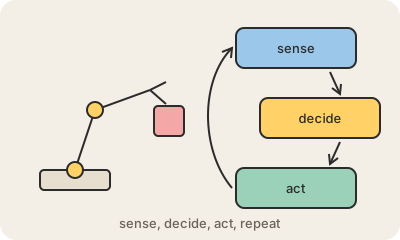
Building machines that sense the world, decide what to do, and move to do it.
Rollback
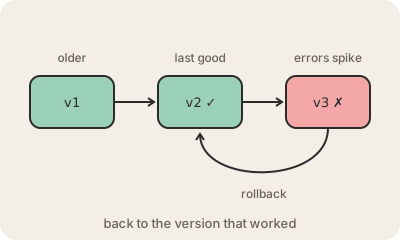
Going back to the last version that worked when a new one causes problems.
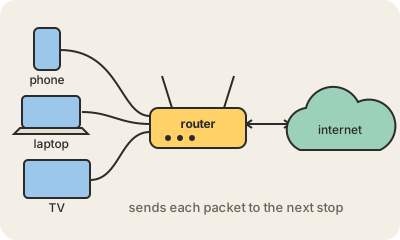
Router
The box that connects your devices to each other and to the internet.
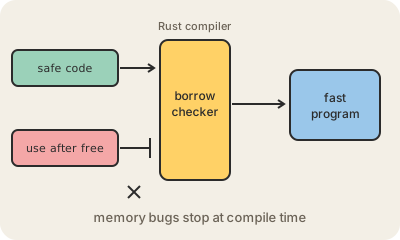
Rust
A fast programming language whose compiler refuses to build code with memory bugs.
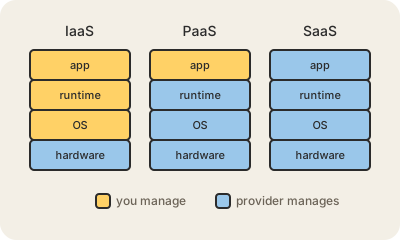
SaaS, PaaS and IaaS
Three ways to rent computing, depending on how much of the work you hand over.
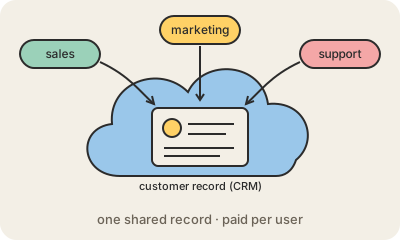
Salesforce
The company that sells, as an online subscription, the software to manage customers.
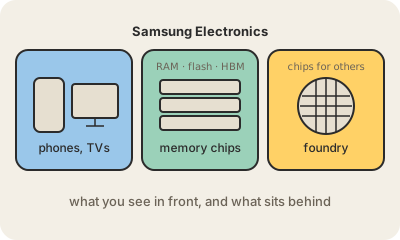
Samsung
Korean giant that sells phones and TVs, and makes much of the world's memory chips.
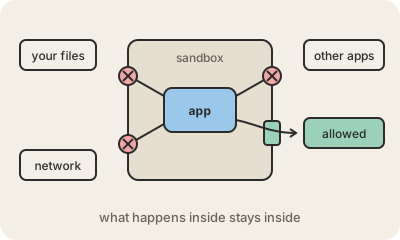
Sandboxing
Running a program in a closed box so it cannot harm anything outside it.
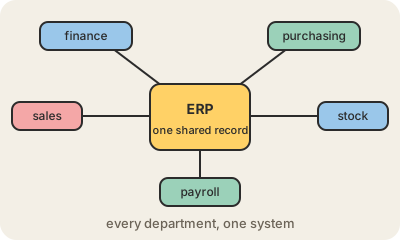
SAP
The German company whose software runs the back office of many large businesses.
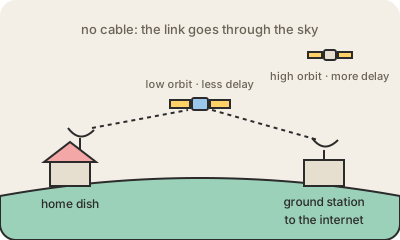
Satellite internet
Internet access beamed from space to a dish, where cables and cell towers don't reach.
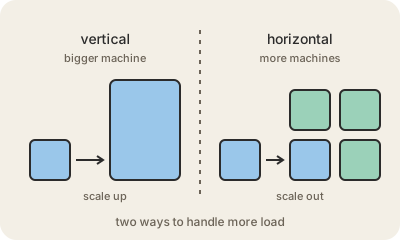
Scalability
How well a system keeps working when it has to handle much more.
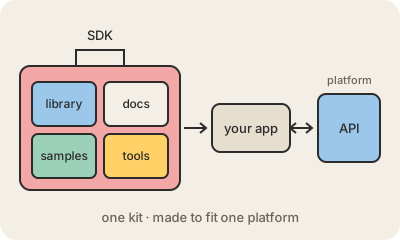
SDK
A kit of code, tools and docs a company provides so you can build for its platform.
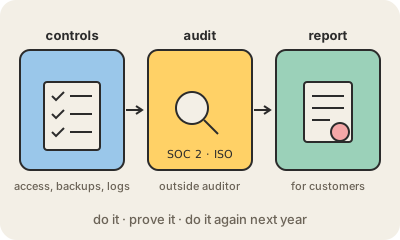
Security compliance
Proving to customers and regulators, with an outside audit, that you follow security rules.
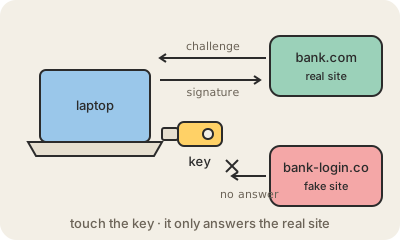
Security key
A small physical device you plug in or tap to prove it is really you logging in.
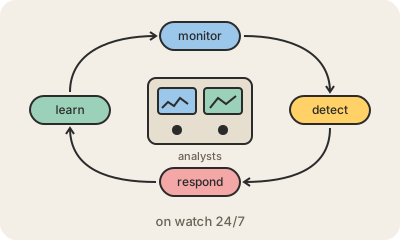
Security operations center
The team that watches an organization's systems around the clock for attacks.
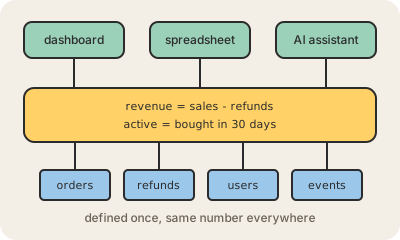
Semantic layer
One place that defines a company's metrics, so every tool computes them the same way.
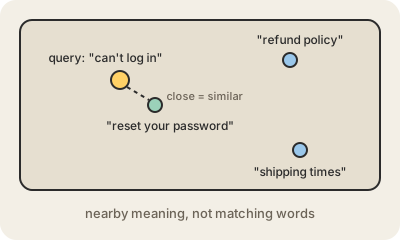
Semantic search
Search that finds results by meaning, not by matching the exact words you typed.
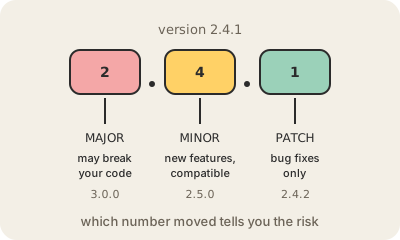
Semantic versioning
A rule for version numbers like 2.4.1, so each part tells you how risky an update is.
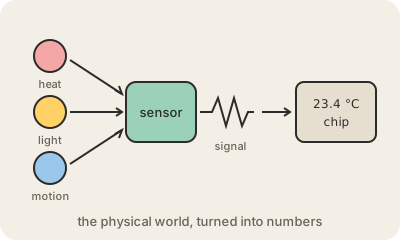
Sensor
A component that measures something in the physical world and turns it into a signal.
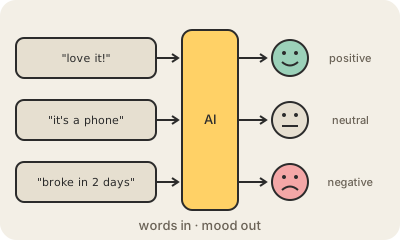
Sentiment analysis
Software that reads text and tells whether the writer sounds happy, angry or neutral.
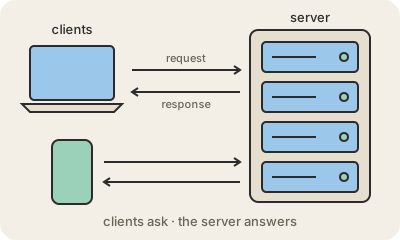
Server
A computer whose job is to answer requests from other computers, all day, every day.
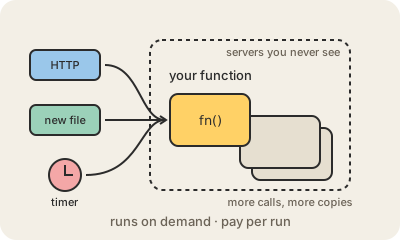
Serverless
Code that runs only when called; you never see or manage the server.
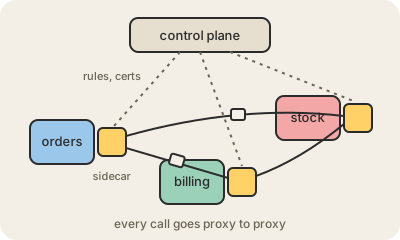
Service mesh
A network layer that handles how microservices talk, so the code does not have to.
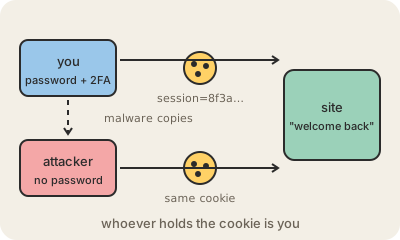
Session hijacking
Stealing the ticket a site gives you after login, so the thief is let in as you.
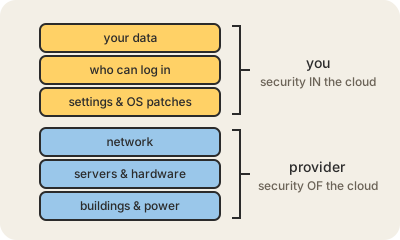
Shared responsibility model
Who secures what in the cloud: the provider, the customer, or both.
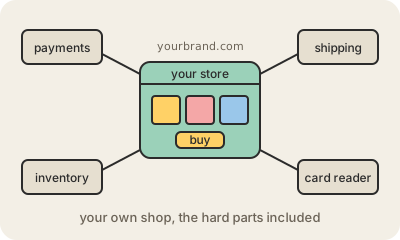
Shopify
A platform that lets any business set up and run its own online store.
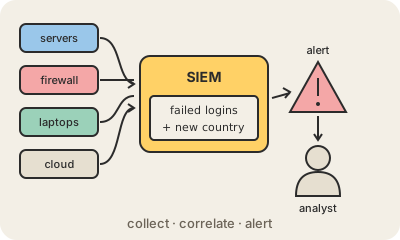
SIEM
The system that gathers security logs from everywhere and raises the alarm.
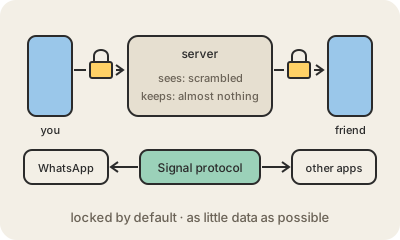
Signal
A private messaging app run by a nonprofit, built to know as little about you as it can.
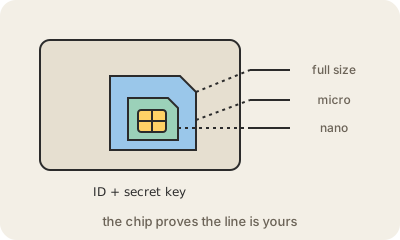
SIM card
The small chip card that tells the mobile network which line is yours.
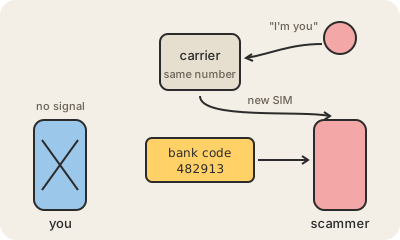
SIM swapping
A scam where someone takes over your phone number to receive your security codes.
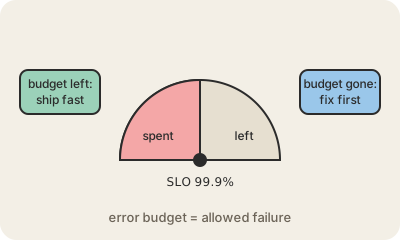
Site reliability engineering
Running production systems with software engineering, and a budget for failure.
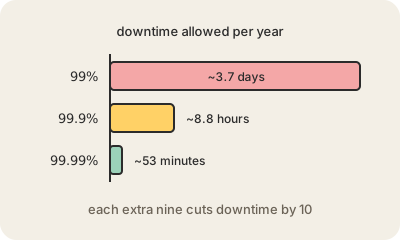
SLA
A written promise about how reliable a service will be, and what happens if it is not.
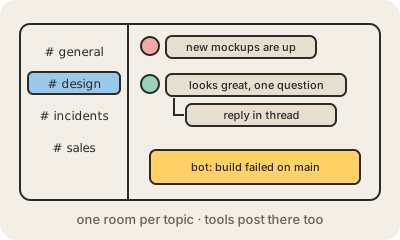
Slack
A chat app for work, organized in channels instead of endless email threads.
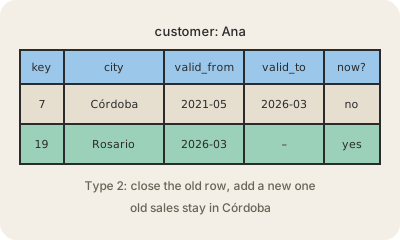
Slowly changing dimension
The rules a data warehouse uses when descriptive data, like a customer's city, changes.
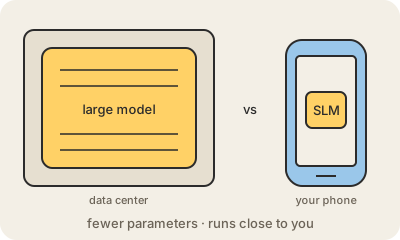
Small language model
A compact language model that is cheap to run, even on a laptop or a phone.
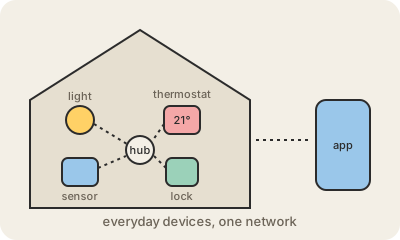
Smart home
A home whose lights, locks and appliances run from a phone or on their own.
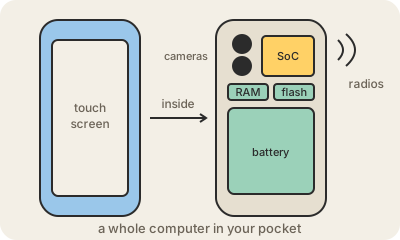
Smartphone
A pocket computer that also makes phone calls.
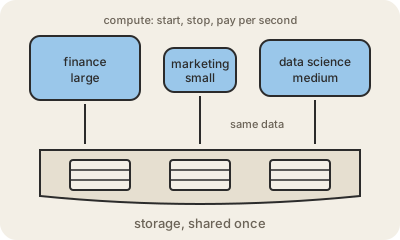
Snowflake
A data warehouse sold as a cloud service, billed by how much computing you use.
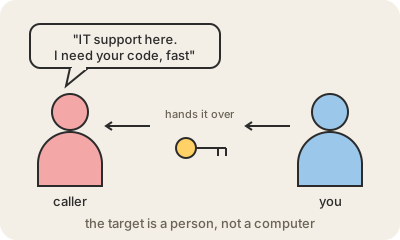
Social engineering
Manipulating people, instead of machines, into giving away access or information.
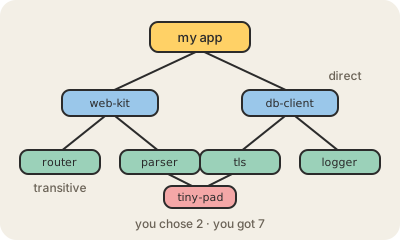
Software dependency
Code written by someone else that your program needs in order to work.
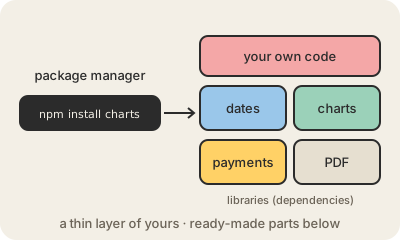
Software library
Ready-made code for a common task that programmers plug into their own programs.
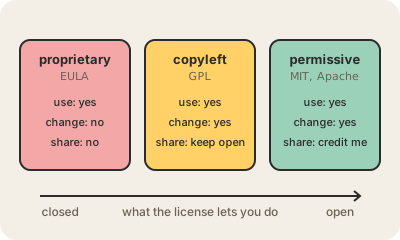
Software license
The legal terms that say what you may and may not do with a piece of software.
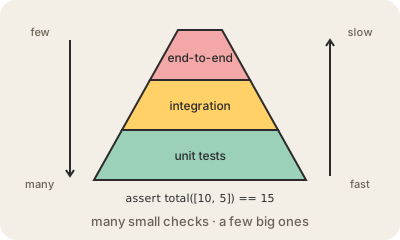
Software testing
Checking that software does what it should, mostly with code that tests other code.
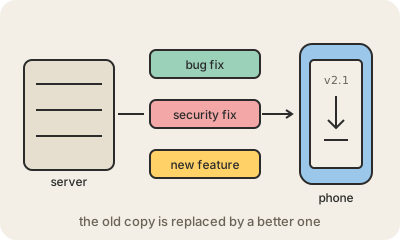
Software update
A new version of a program sent to your device to fix problems or add features.
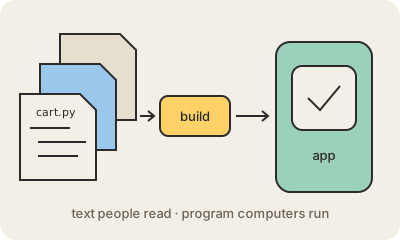
Source code
The human-readable text that programmers write and that a program is built from.
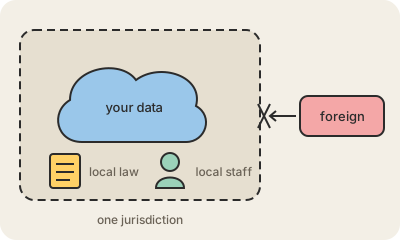
Sovereign cloud
A cloud built so data and its control stay under one country's or region's laws.
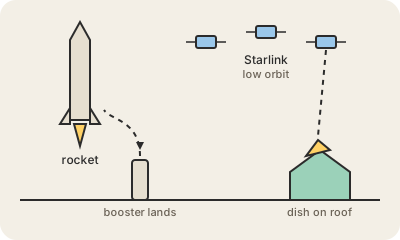
SpaceX
The rocket company that also runs Starlink, internet from thousands of satellites.
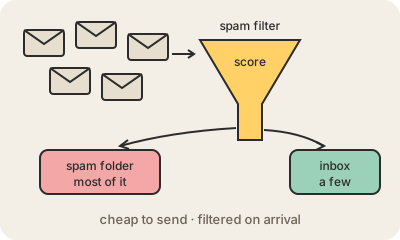
Spam
Unwanted messages sent in bulk: ads, scams and junk you never asked for.
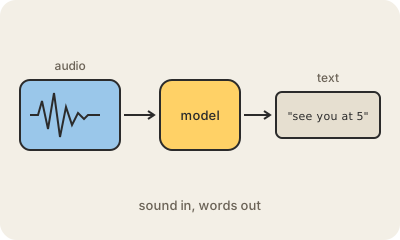
Speech recognition
Technology that turns spoken words into written text.
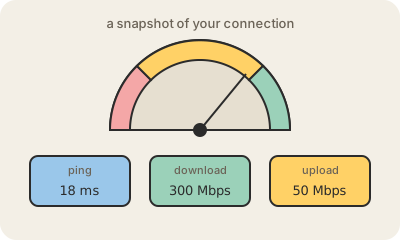
Speed test
A quick check of how fast your internet connection really is right now.
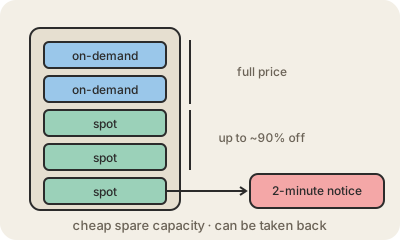
Spot instances
Spare cloud servers rented at a deep discount, but taken back on short notice.
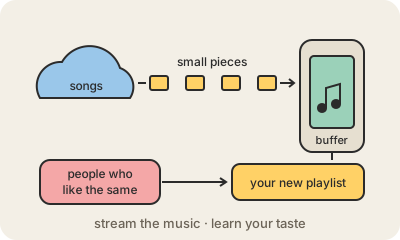
Spotify
A Swedish streaming service for music and podcasts, free with ads or paid monthly.
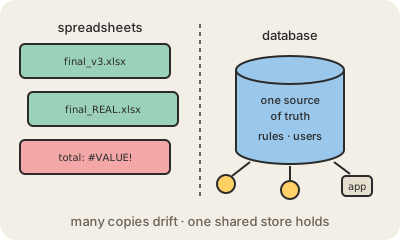
Spreadsheet vs database
Why a company that runs on Excel eventually needs a real database.
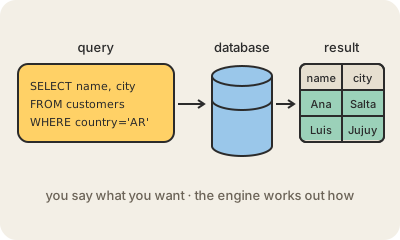
SQL
The language you use to ask a database questions.
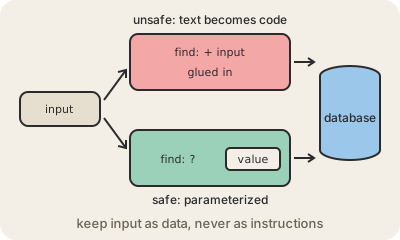
SQL injection
Typing text into a form that the database mistakes for its own instructions.
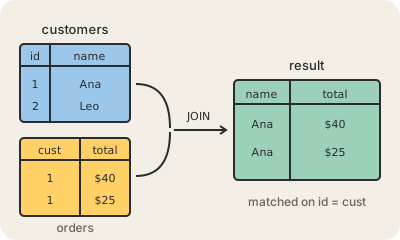
SQL JOIN
The SQL command that combines rows from two tables that share a value.
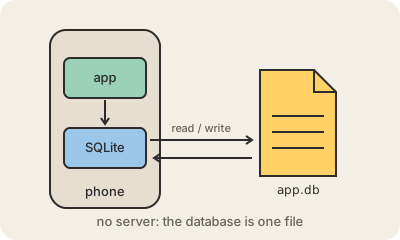
SQLite
A complete SQL database that lives in a single file, with no server to run.
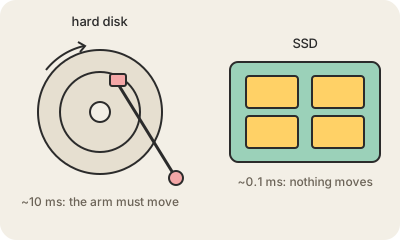
SSD
Storage with no moving parts: where your files live when the power is off.
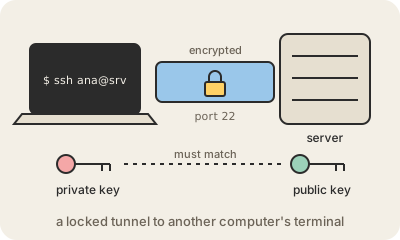
SSH
An encrypted way to log in to another computer and type commands on it.
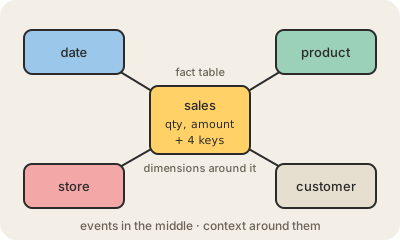
Star schema
A data warehouse layout: one table of events in the middle, descriptive tables around it.
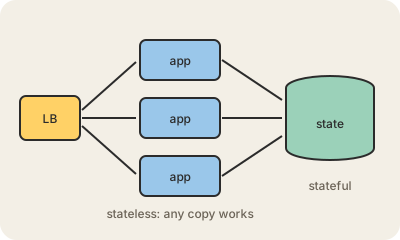
Stateless and stateful
Whether a program remembers things between requests, or keeps that memory somewhere else.
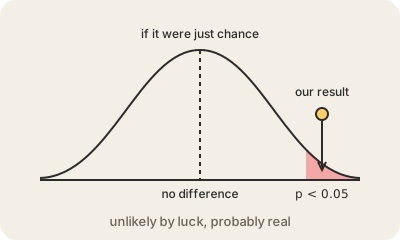
Statistical significance
A test of whether a difference is probably real or could just be luck.
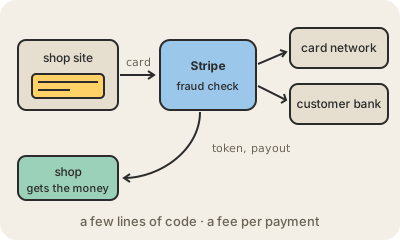
Stripe
A company that lets websites and apps accept online payments with a few lines of code.
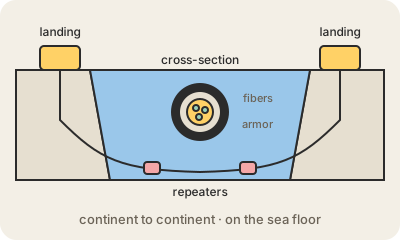
Submarine cables
Cables on the ocean floor that carry almost all the internet traffic between continents.
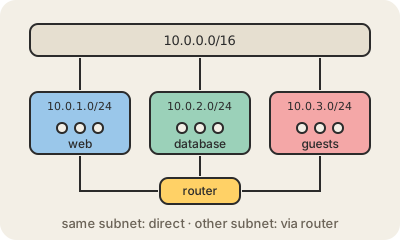
Subnet
A slice of a network's IP addresses, grouped so its devices can talk directly.
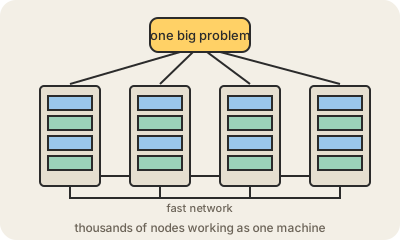
Supercomputer
Thousands of computers wired together to work on one huge calculation at once.
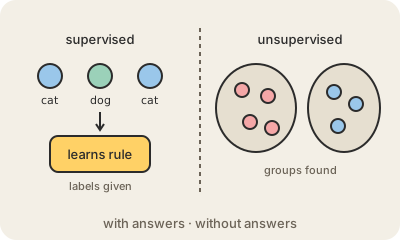
Supervised and unsupervised learning
Two ways a machine learns: from examples with answers, or by finding patterns on its own.
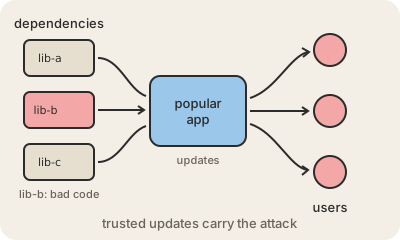
Supply chain attack
Hacking a trusted supplier so its normal updates carry the attack to everyone else.
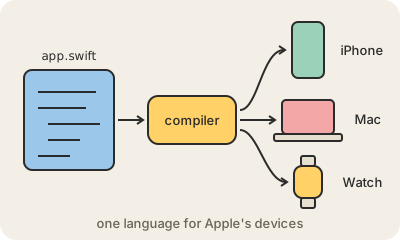
Swift
Apple's programming language for building apps for iPhone, Mac and its other devices.
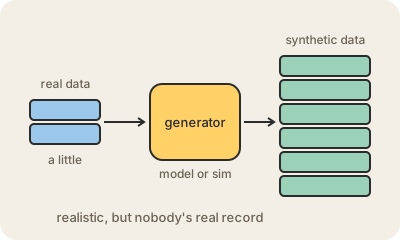
Synthetic data
Data made up by a program to look like the real thing, used to train or test.
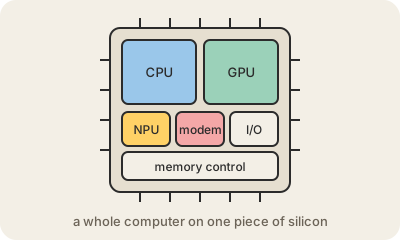
System on a chip
One chip that holds a computer's main parts: CPU, GPU, memory control and more.
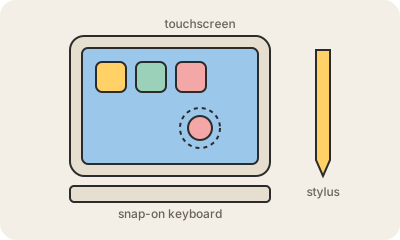
Tablet
A computer that is just a big touchscreen, between a phone and a laptop.
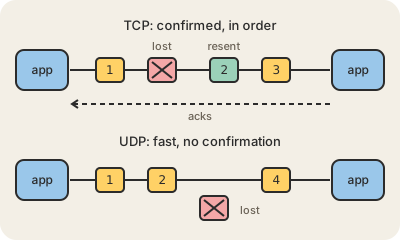
TCP and UDP
Two ways to send packets: TCP checks everything arrives, UDP just sends and moves on.
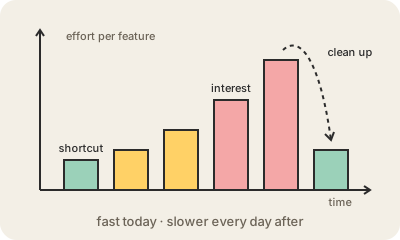
Technical debt
The future cost of shortcuts taken in software today.
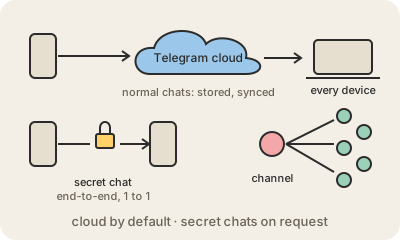
Telegram
A messaging app built around the cloud, huge groups and public channels.
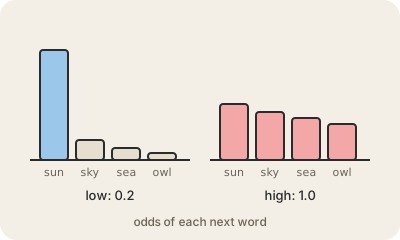
Temperature
The setting that makes an AI model's answers more predictable or more varied.
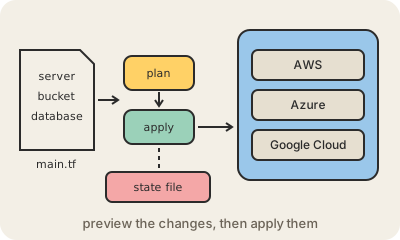
Terraform
A popular tool for describing cloud infrastructure in files and creating it for you.
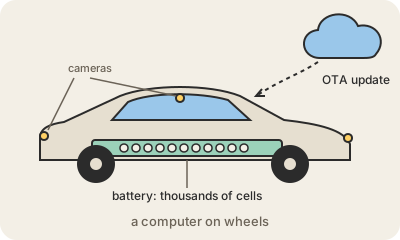
Tesla
An electric car maker that treats the car as a computer on wheels.
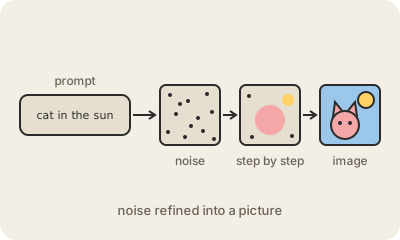
Text-to-image
AI that draws a brand-new picture from a written description.
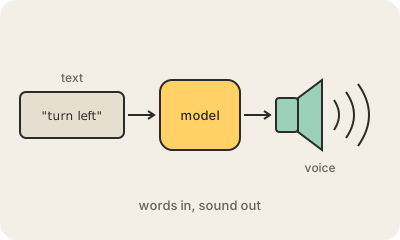
Text-to-speech
Technology that reads written text aloud in a synthetic voice.
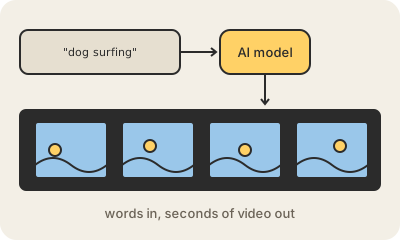
Text-to-video
AI that turns a written description into a short video clip.
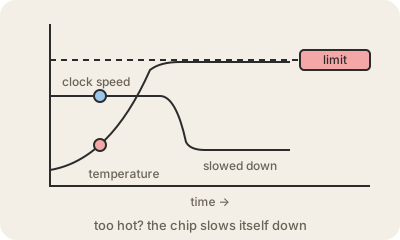
Thermal throttling
A chip slowing itself down on purpose so it does not overheat.
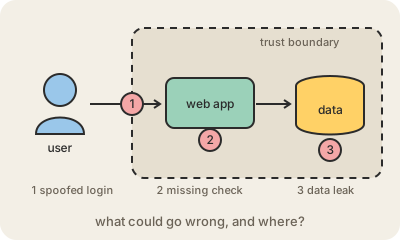
Threat modeling
Sitting down before building to ask who could attack this, how, and what to do about it.
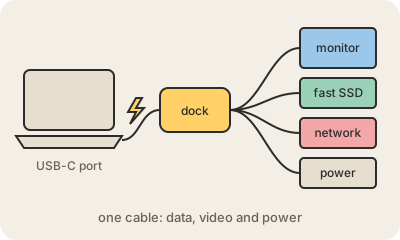
Thunderbolt
A very fast port that carries data, video and power over one USB-C cable.
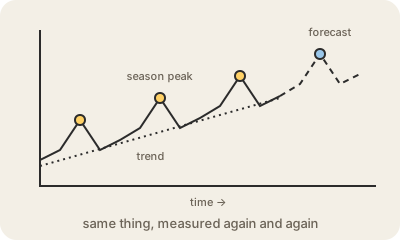
Time series
A list of measurements of the same thing, taken one after another in time.
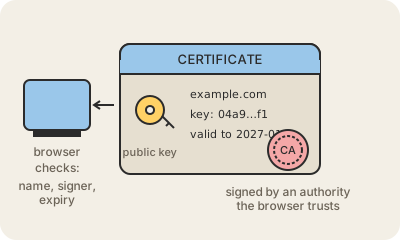
TLS certificate
The ID card a website shows your browser to prove it is who it claims to be.
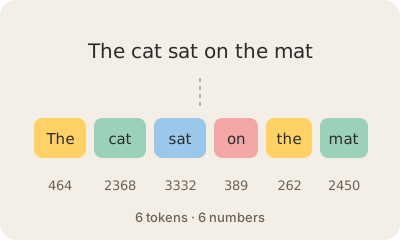
Token
The small chunk of text a language model actually reads.
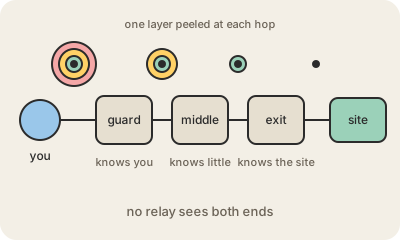
Tor
A volunteer network that hides who you are by bouncing traffic through three relays.
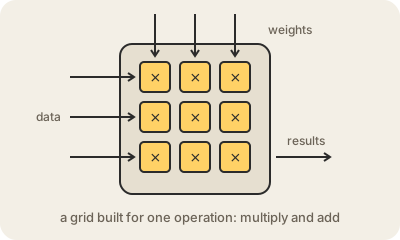
TPU
Google's chip designed specifically for the math of neural networks.
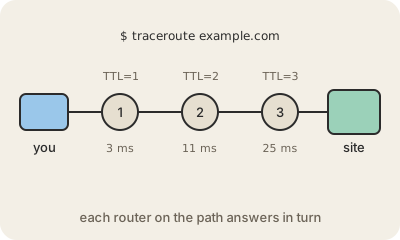
Traceroute
A tool that shows every stop your data makes on the way to a destination.
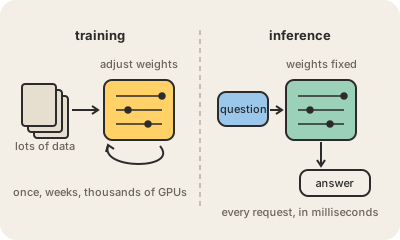
Training and inference
Training builds the model once; inference is using it, millions of times a day.
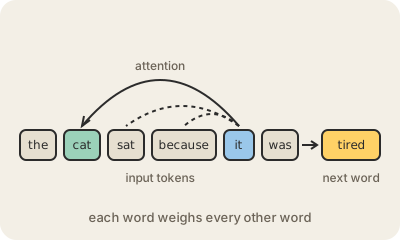
Transformer
The neural network design behind modern language models, built around 'attention'.
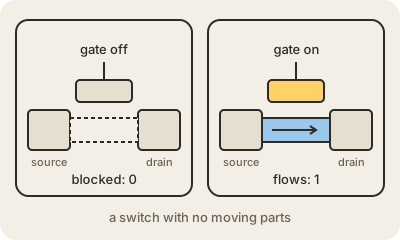
Transistor
An electrically controlled switch, the basic building block of every chip.
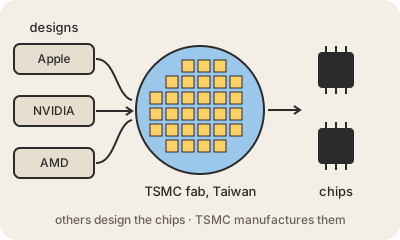
TSMC
The factory that makes the world's most advanced chips for everyone else.
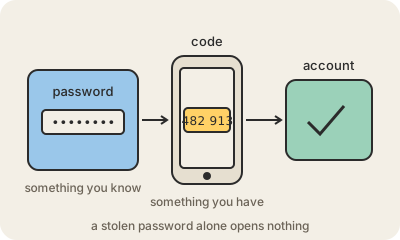
Two-factor authentication
A second proof that you are you, so a stolen password alone is not enough.
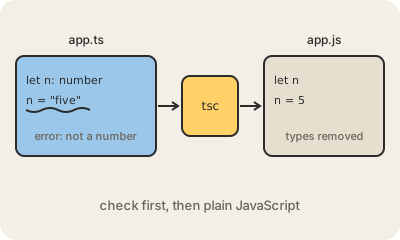
TypeScript
JavaScript with types added, so many mistakes are caught before the code runs.
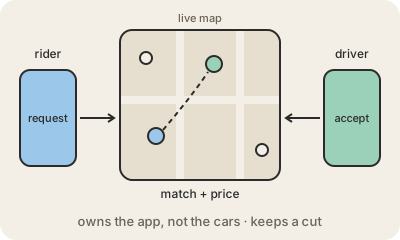
Uber
An app that matches people who need a ride, or a meal, with nearby drivers.
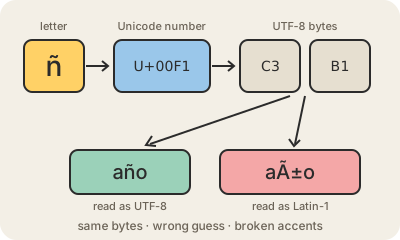
Unicode
The universal numbering of every letter and symbol, and why accents sometimes break.
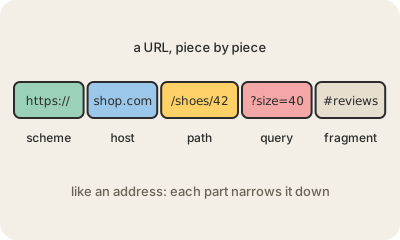
URL
The full address of something on the web: protocol, site and path.
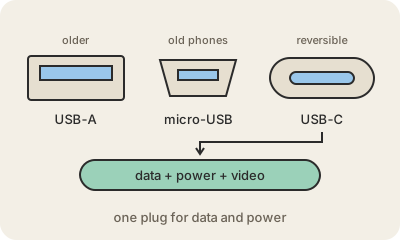
USB
The standard plug for connecting and charging almost everything.
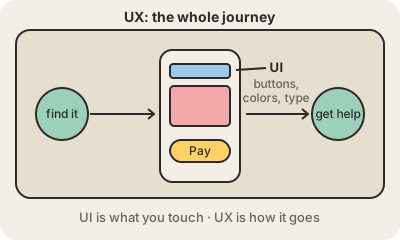
UX and UI
UI is what you see and touch on a screen; UX is how the whole experience feels.
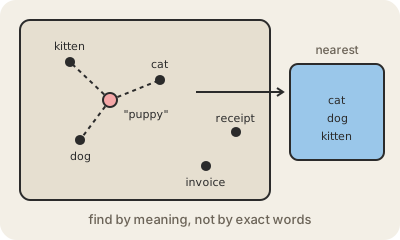
Vector database
A database that finds things by similar meaning instead of exact matching words.
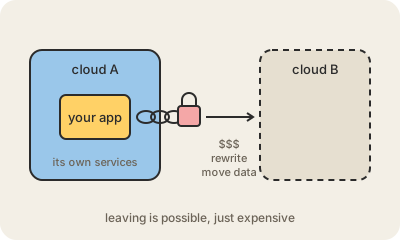
Vendor lock-in
When leaving a provider would cost so much that you are stuck with it.
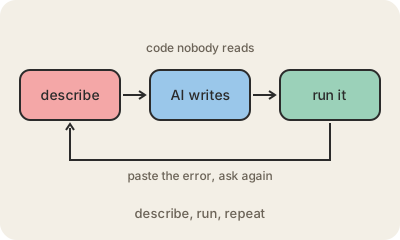
Vibe coding
Building software by describing what you want to an AI and accepting its code.
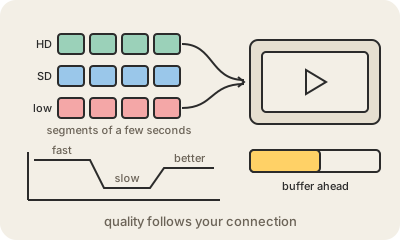
Video streaming
Watching a video while it arrives in small pieces, instead of downloading it all first.
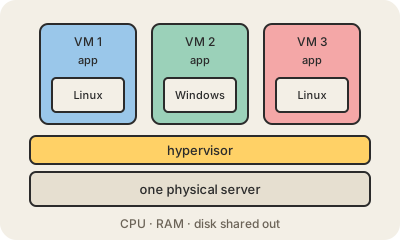
Virtual machine
A complete computer made of software, running inside a real one.
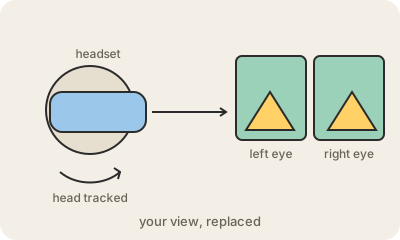
Virtual reality
A headset that replaces what you see with a 3D world that follows your head.
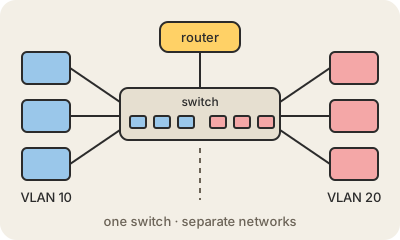
VLAN
A way to split one physical network into several separate ones, using software rules.
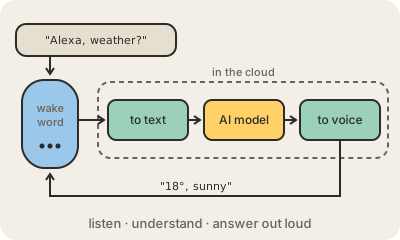
Voice assistant
Software you talk to out loud that answers back and does small tasks for you.
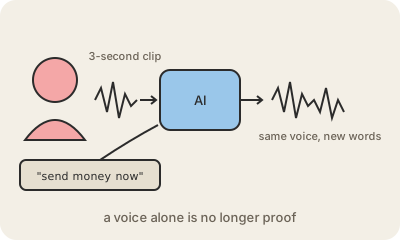
Voice cloning
AI that learns to speak in a real person's voice from a short recording.
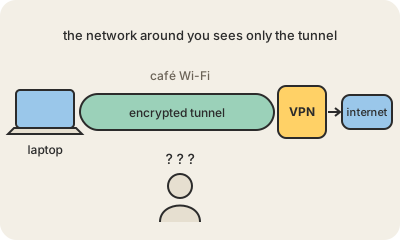
VPN
An encrypted tunnel that sends all your traffic through another network first.
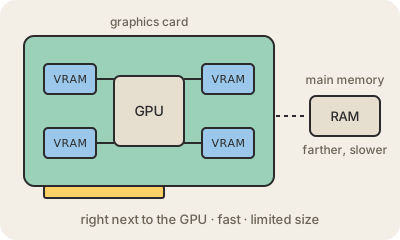
VRAM
The memory built into a graphics card, where the GPU keeps what it is working on.
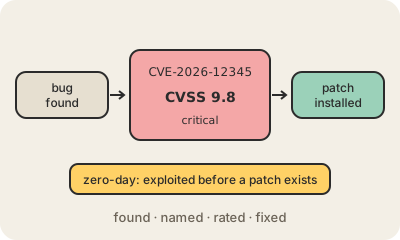
Vulnerability and CVE
A flaw that lets an attacker misuse software, and the public id that names it.
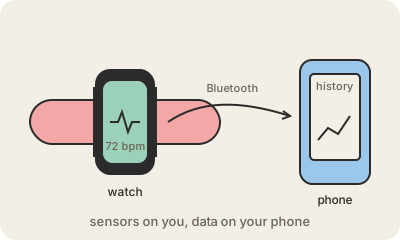
Wearables
Small computers you wear on your body, like smartwatches, fitness bands and smart rings.
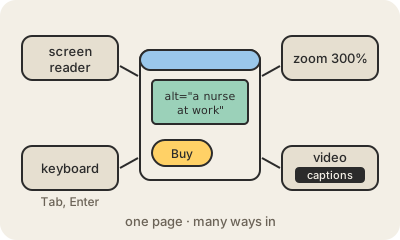
Web accessibility
Making websites and apps usable by everyone, including people with disabilities.
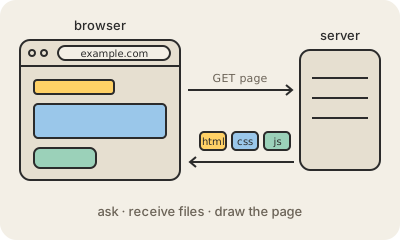
Web browser
The app that fetches web pages from the internet and draws them on your screen.
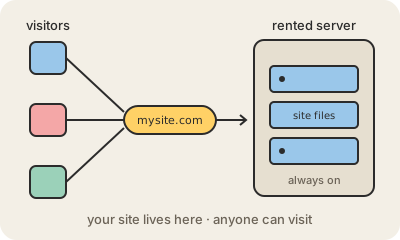
Web hosting
Renting space on an always-on computer so your website is reachable by anyone.
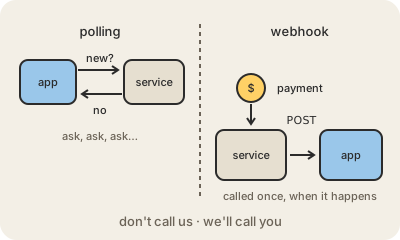
Webhook
A way for one service to call your app the moment something happens.
Website
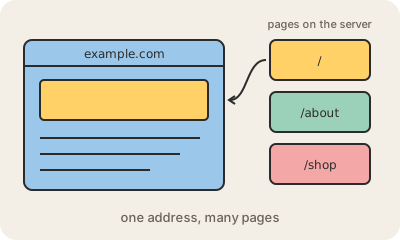
A set of web pages under one address, stored on a server and opened in a browser.
WebSocket
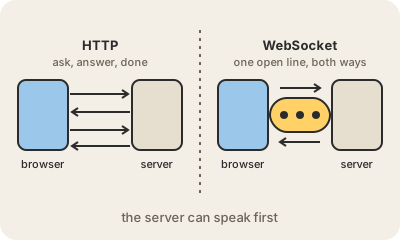
A connection between browser and server that stays open, so both can talk anytime.
WHOIS
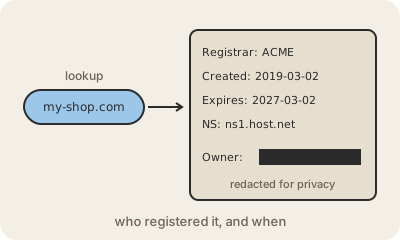
The public lookup that tells you who registered a domain name and when.
Wi-Fi
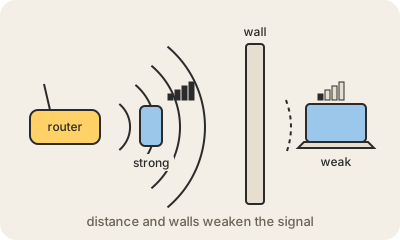
Networking over radio waves: the internet without the cable, within a few rooms.
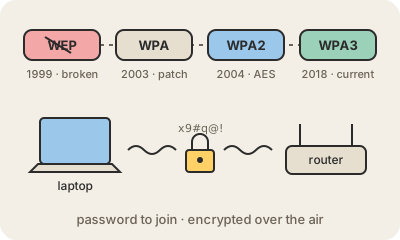
Wi-Fi security
How a Wi-Fi password keeps neighbors out and scrambles what travels through the air.
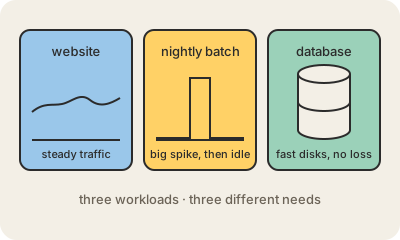
Workload
Any job you run on computers: an app, a database, a nightly report, an AI model.
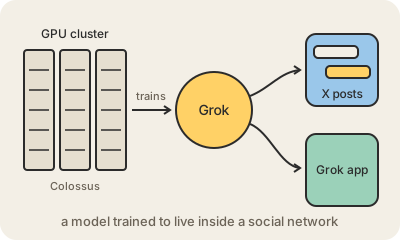
xAI
Elon Musk's AI company, maker of the Grok chatbot built into X.
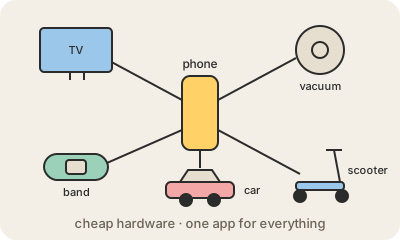
Xiaomi
A Chinese maker of phones and smart home gadgets, and more recently electric cars.
XML
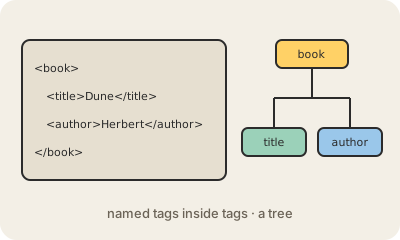
A text format that wraps data in named tags, so both people and programs can read it.
Zero trust
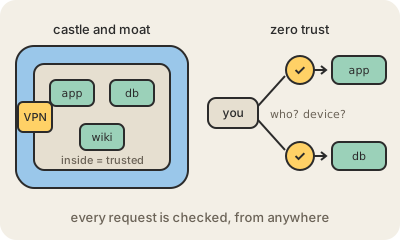
Security that checks every request, instead of trusting whatever is inside the network.
Zigbee and Matter
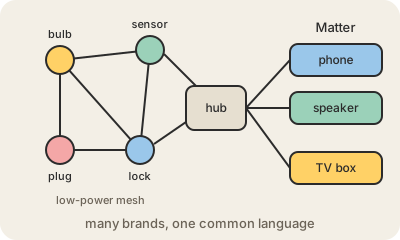
Two standards that let smart home devices from different brands talk to each other.
Zoom
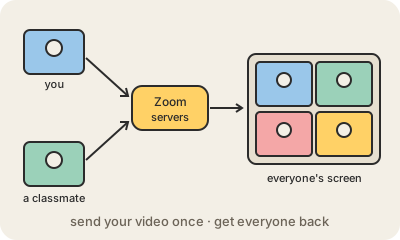
A video meeting app, and the company behind it, that became a verb during the pandemic.
Nothing learned yet. Open a term and mark it when it clicks.