Networks
89 Networks terms explained simply, ordered from basic to advanced. Start at the top if the topic is new to you.
Basic
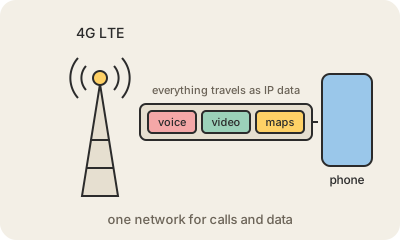
4G LTE
The fourth generation of mobile networks, the one that made phones truly fast online.
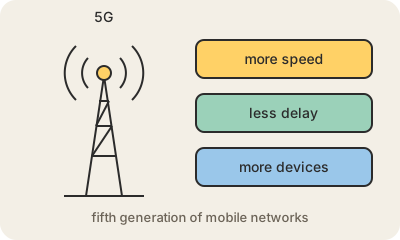
5G
The fifth generation of mobile networks: faster data, less delay, more devices at once.
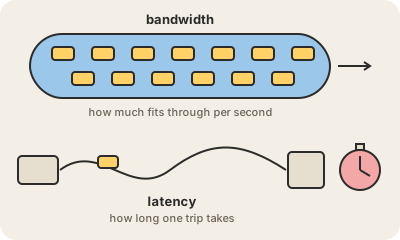
Bandwidth and latency
How much data fits per second, and how long each trip takes. Two different things.
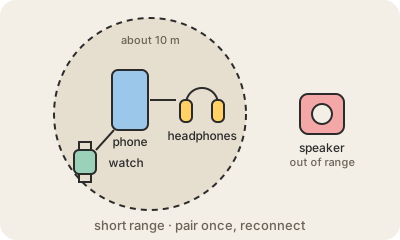
Bluetooth
Short-range wireless for connecting nearby gadgets: headphones, watches, keyboards.
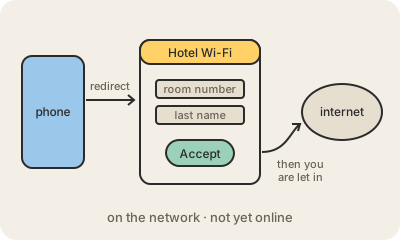
Captive portal
The page that pops up on public Wi-Fi asking you to log in or accept terms first.
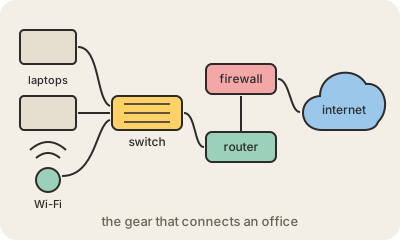
Cisco
The company that makes much of the network gear connecting offices to the internet.
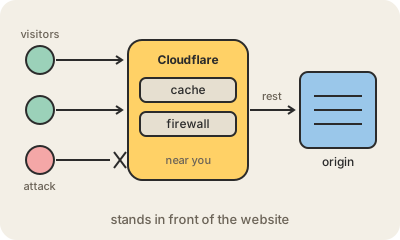
Cloudflare
A global network that sits in front of websites to make them faster and safer.
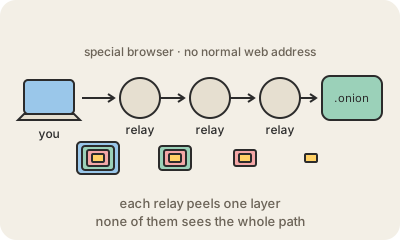
Dark web
Websites that are reachable only with special software that hides who is talking to whom.
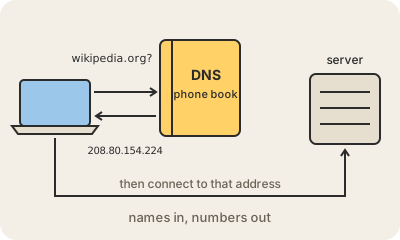
DNS
The internet's phone book: it turns names like wikipedia.org into IP addresses.
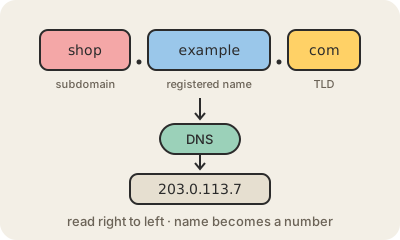
Domain name
The readable name of a website, like wikipedia.org, that stands in for a numeric address.
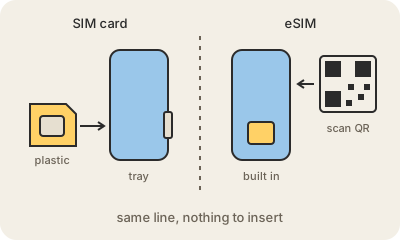
eSIM
A SIM card built into the phone, which you load by download instead of by hand.
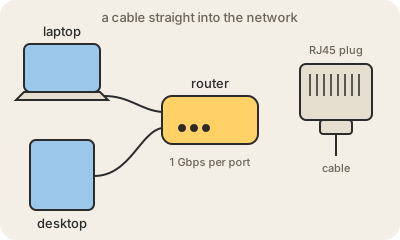
Ethernet
The standard way to connect computers to a network with a cable.
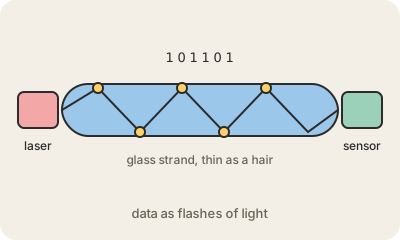
Fiber optic
Thin strands of glass that carry data as pulses of light, fast and over long distances.
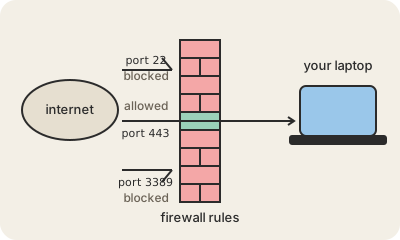
Firewall
A gatekeeper that decides which network traffic gets in or out.
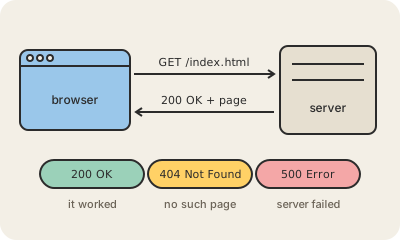
HTTP
The request-and-response language browsers and websites speak.
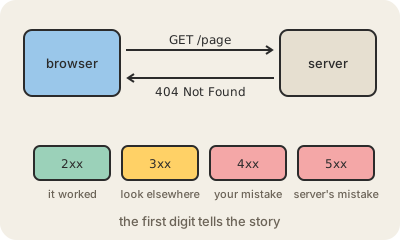
HTTP status codes
The three-digit number a web server sends back to say how your request went.
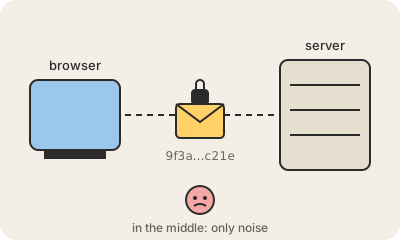
HTTPS
The padlock in your browser: web traffic nobody in between can read.
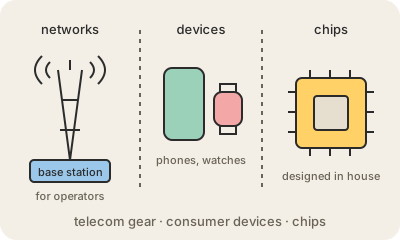
Huawei
A Chinese company that makes mobile network equipment, phones and its own chips.
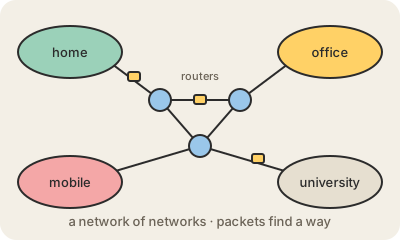
Internet
A worldwide network of networks that lets any connected device reach any other.
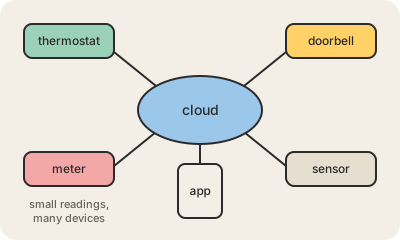
Internet of things
Everyday objects with sensors and a network connection: thermostats, meters, doorbells.
IP address
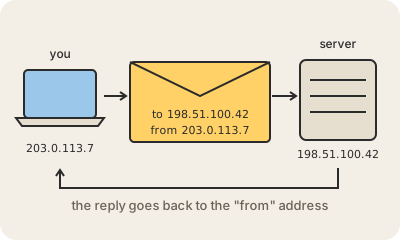
The number that identifies a device on a network, like a postal address.
ISP
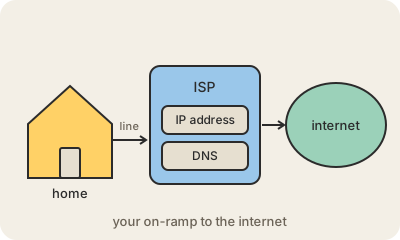
The company you pay to connect your home or phone to the internet.
LAN and WAN
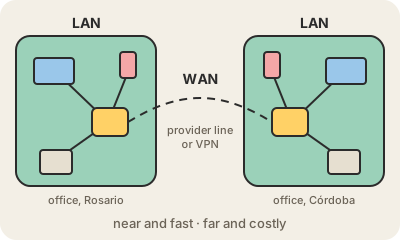
A LAN connects devices in one place; a WAN connects places far apart.
Localhost
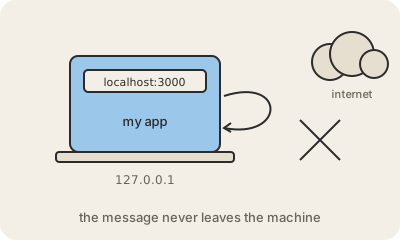
The name a computer uses to talk to itself.
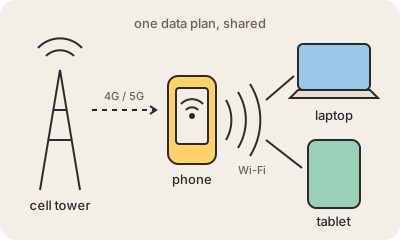
Mobile hotspot
Your phone turned into a small Wi-Fi router that shares its mobile data.
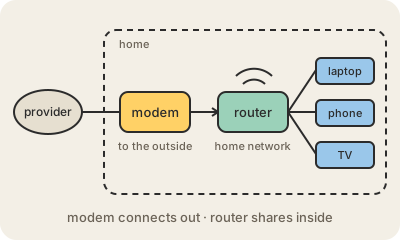
Modem
The box that connects your home to your internet provider's network.
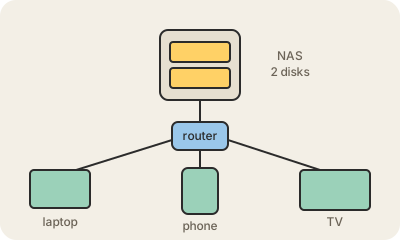
NAS
A small box of hard drives on your network that every device can share.
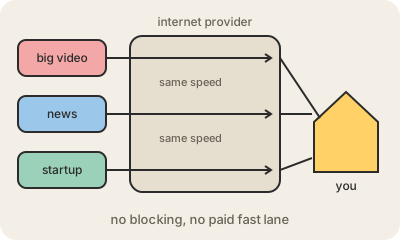
Net neutrality
The principle that internet providers should treat all traffic the same way.
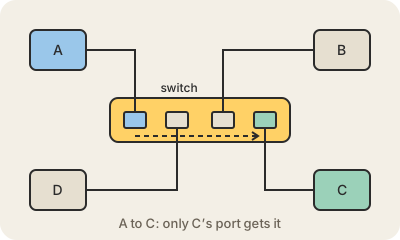
Network switch
A box with many ports that connects devices on the same local network.
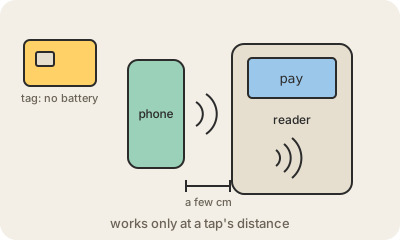
NFC
Very short-range wireless that works with a tap: contactless cards, phones, transit.
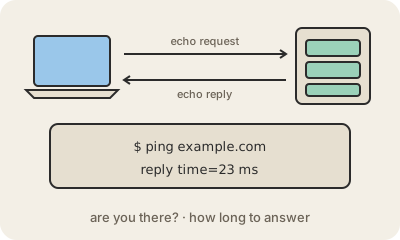
Ping
A tiny "are you there?" message that tests a connection and times the reply.
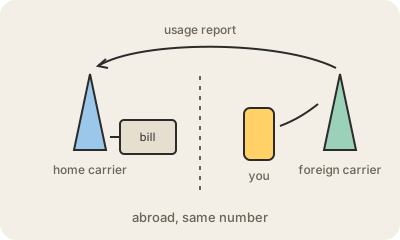
Roaming
Using another carrier's mobile network, usually abroad, with your own number.
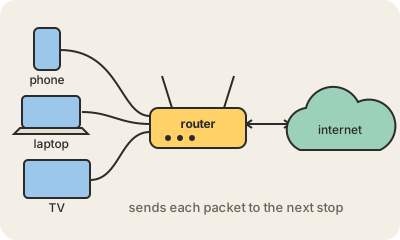
Router
The box that connects your devices to each other and to the internet.
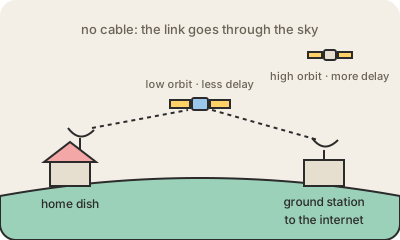
Satellite internet
Internet access beamed from space to a dish, where cables and cell towers don't reach.
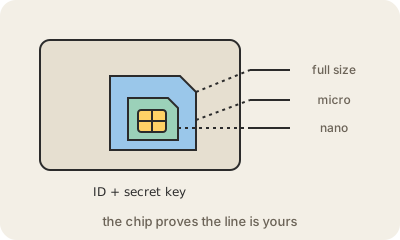
SIM card
The small chip card that tells the mobile network which line is yours.
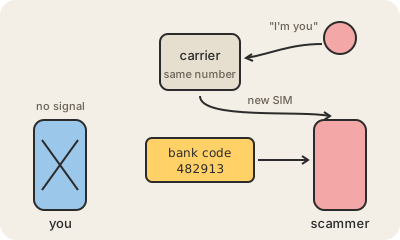
SIM swapping
A scam where someone takes over your phone number to receive your security codes.
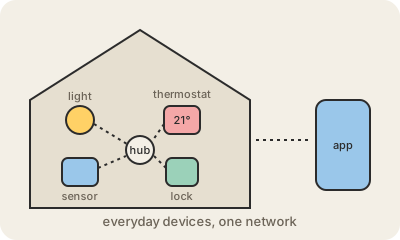
Smart home
A home whose lights, locks and appliances run from a phone or on their own.
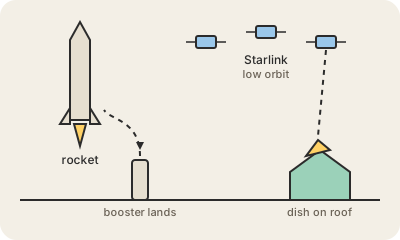
SpaceX
The rocket company that also runs Starlink, internet from thousands of satellites.
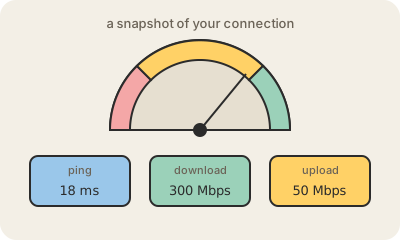
Speed test
A quick check of how fast your internet connection really is right now.
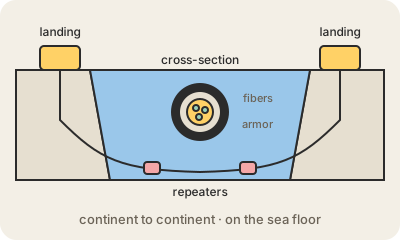
Submarine cables
Cables on the ocean floor that carry almost all the internet traffic between continents.
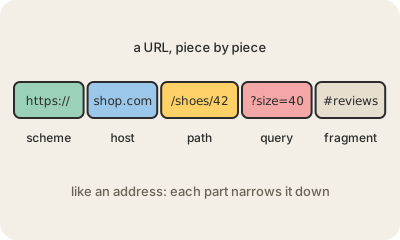
URL
The full address of something on the web: protocol, site and path.
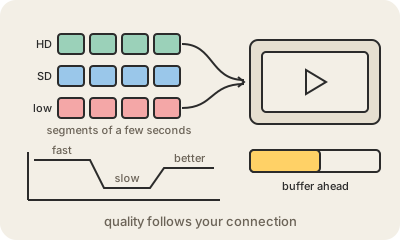
Video streaming
Watching a video while it arrives in small pieces, instead of downloading it all first.
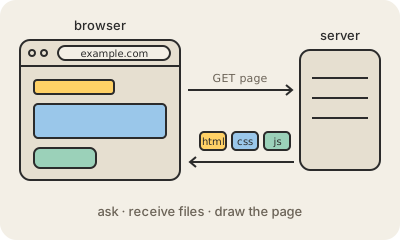
Web browser
The app that fetches web pages from the internet and draws them on your screen.
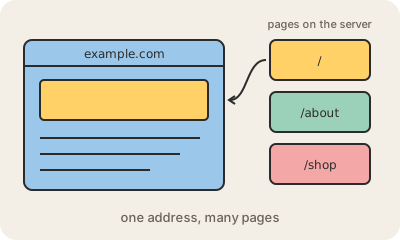
Website
A set of web pages under one address, stored on a server and opened in a browser.
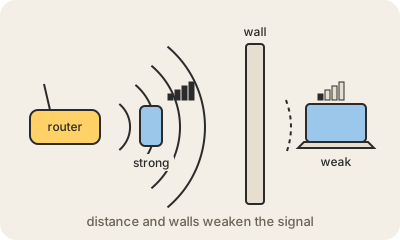
Wi-Fi
Networking over radio waves: the internet without the cable, within a few rooms.
Intermediate
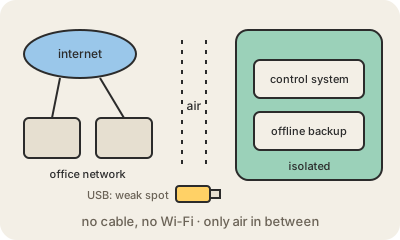
Air gap
Keeping a computer or network physically cut off from everything, internet included.
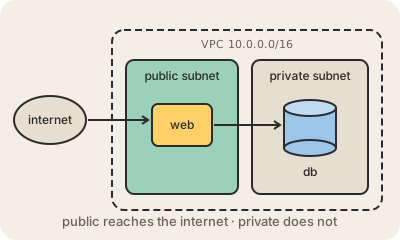
Amazon VPC
Your own private slice of the AWS network, with walls you draw yourself.
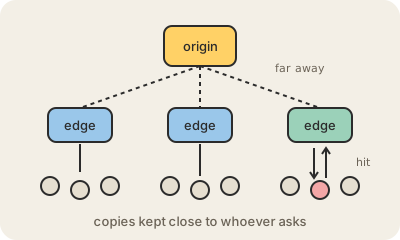
CDN
Copies of a website kept on servers around the world, close to whoever asks.
DDoS
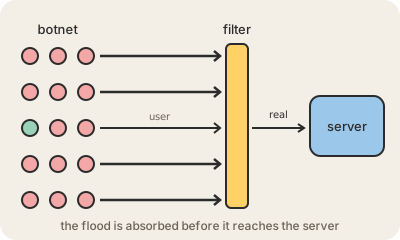
Knocking a site offline by flooding it with more traffic than it can handle.
DHCP
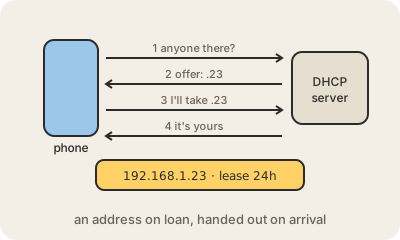
The service that gives each device an IP address automatically when it joins a network.
Edge computing
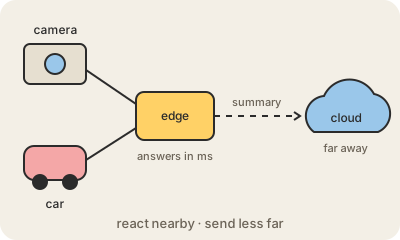
Processing data close to where it is created, instead of in a distant data center.
Egress fees
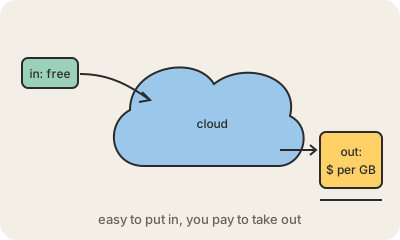
What a cloud provider charges you for data leaving its network.
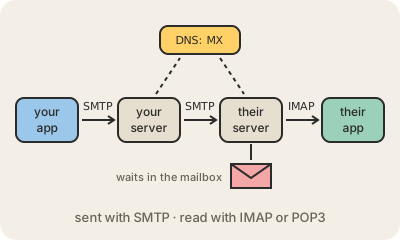
Email protocols
The shared rules, SMTP, IMAP and POP3, that carry an email from one inbox to another.
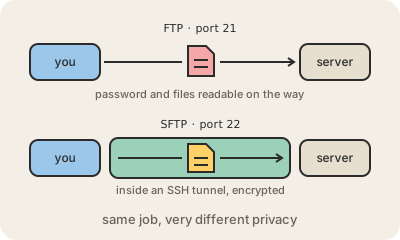
FTP and SFTP
Two ways to move files to and from a server; only one of them keeps them private.
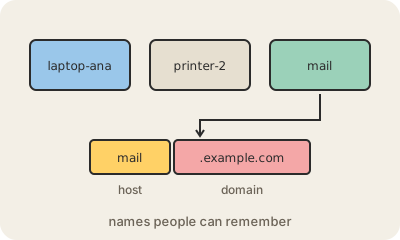
Hostname
The human-readable name a device uses on a network.
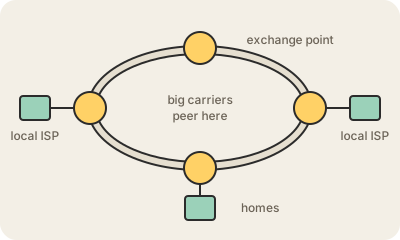
Internet backbone
The highest-capacity long-distance links that carry traffic between big networks.
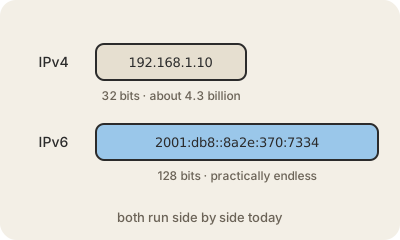
IPv6
The newer internet addressing system, with practically unlimited addresses.
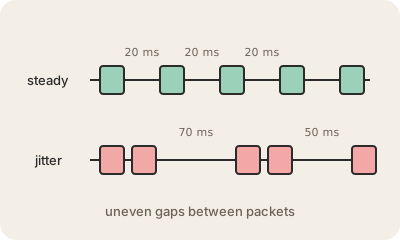
Jitter
How much the delay of a connection jumps around from one packet to the next.
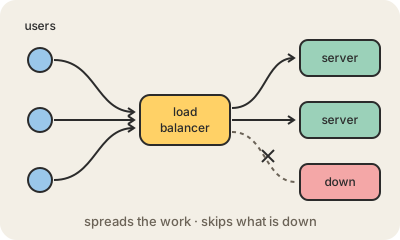
Load balancer
The traffic cop that spreads incoming requests across many servers.
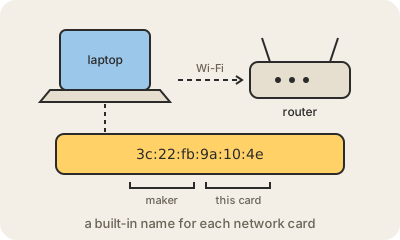
MAC address
The built-in name of a network card, used to deliver data inside a local network.
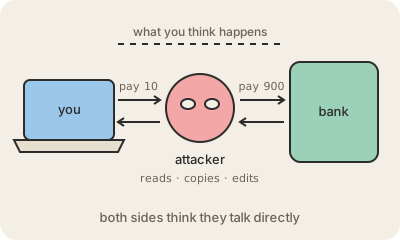
Man-in-the-middle attack
Someone secretly sits between you and a site, reading or changing what you send.
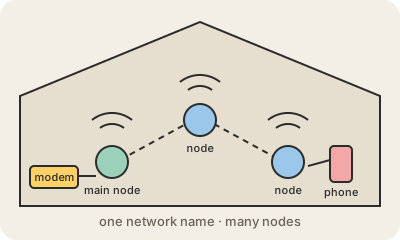
Mesh Wi-Fi
Several Wi-Fi units spread around a home that work together as one network.
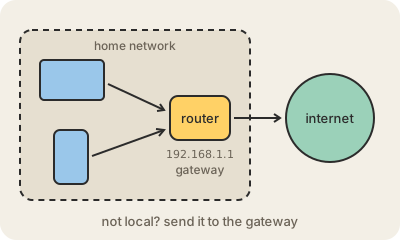
Network gateway
The device where one network ends and traffic is handed to another.
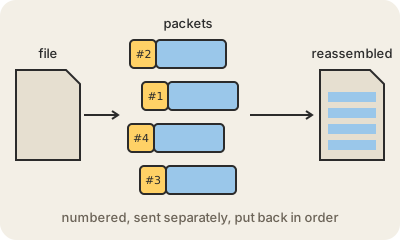
Packet
The small chunk every piece of internet data is cut into before it travels.
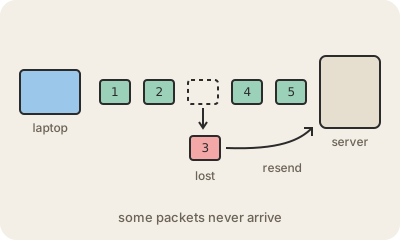
Packet loss
When pieces of your data leave but never arrive.
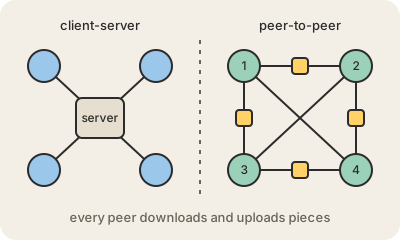
Peer-to-peer
A network where computers talk directly to each other, with no central server in charge.
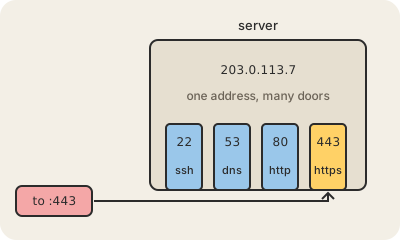
Port
The numbered door on a computer that says which program a connection is for.
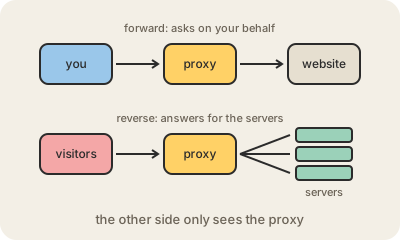
Proxy
A middleman computer that makes requests on someone else's behalf.
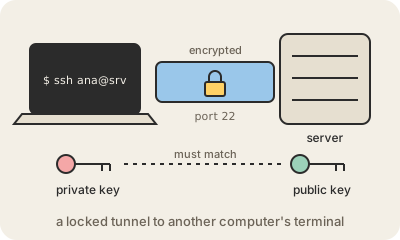
SSH
An encrypted way to log in to another computer and type commands on it.
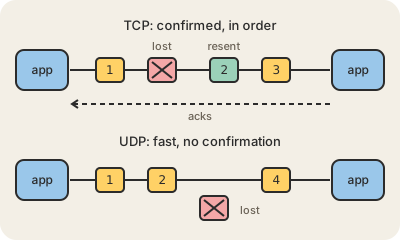
TCP and UDP
Two ways to send packets: TCP checks everything arrives, UDP just sends and moves on.
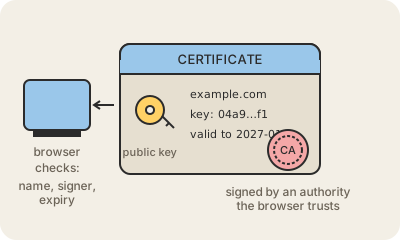
TLS certificate
The ID card a website shows your browser to prove it is who it claims to be.
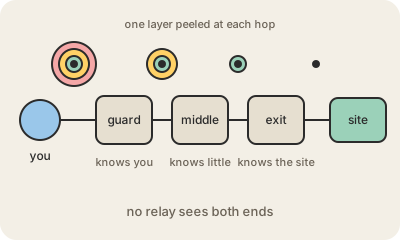
Tor
A volunteer network that hides who you are by bouncing traffic through three relays.
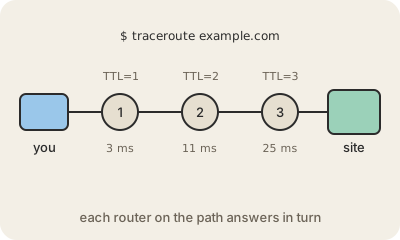
Traceroute
A tool that shows every stop your data makes on the way to a destination.
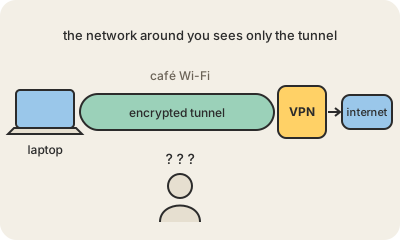
VPN
An encrypted tunnel that sends all your traffic through another network first.
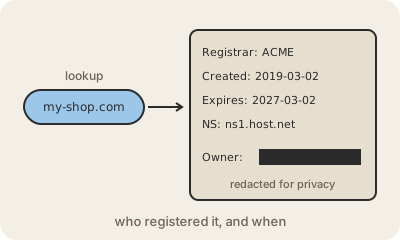
WHOIS
The public lookup that tells you who registered a domain name and when.
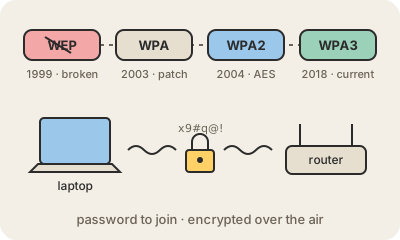
Wi-Fi security
How a Wi-Fi password keeps neighbors out and scrambles what travels through the air.
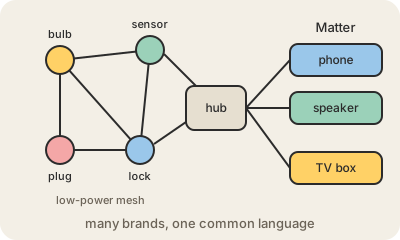
Zigbee and Matter
Two standards that let smart home devices from different brands talk to each other.
Advanced
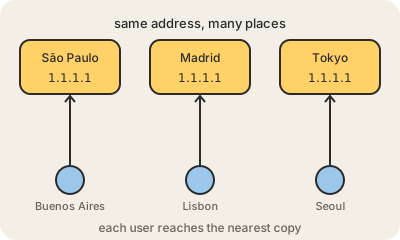
Anycast
One IP address announced from many places, so each user reaches the nearest one.
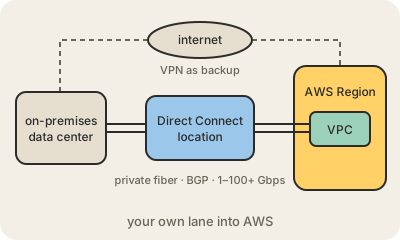
AWS Direct Connect
A private, dedicated network link from your own building straight into AWS.
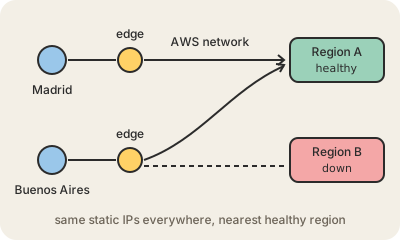
AWS Global Accelerator
Fixed IP addresses that pull users onto AWS's own network near them and route to a healthy region.
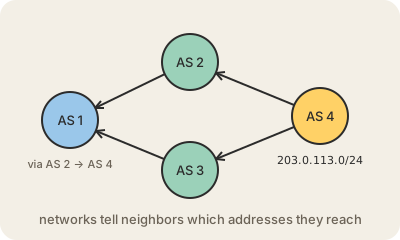
BGP
The protocol networks use to tell each other which addresses they can reach.
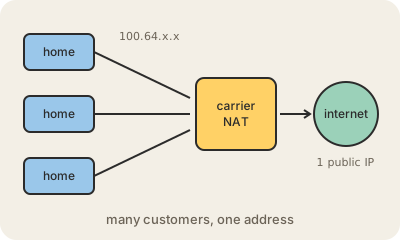
CGNAT
NAT done by your provider, so many customers share one public IP address.
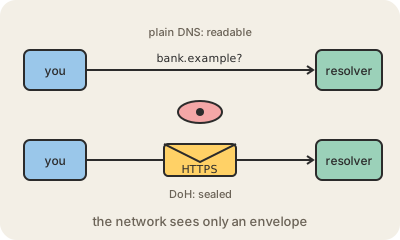
DNS over HTTPS
DNS lookups sent inside encrypted HTTPS, so others on the network cannot read them.
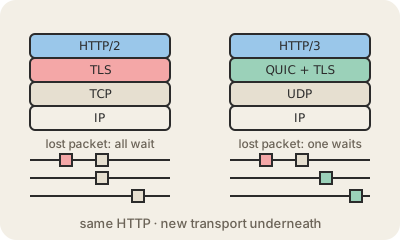
HTTP/3 and QUIC
The newest version of the web's protocol, running on QUIC instead of TCP.
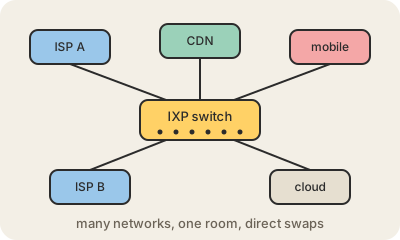
Internet exchange point
A place where many internet networks plug into each other to swap traffic directly.
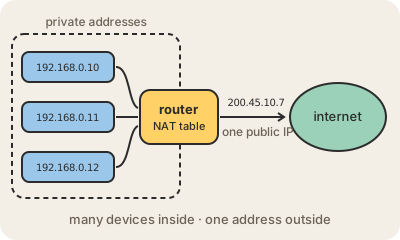
NAT
How a whole home or office shares one public IP address on the internet.
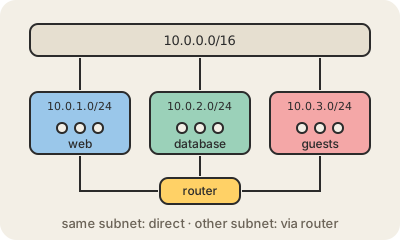
Subnet
A slice of a network's IP addresses, grouped so its devices can talk directly.
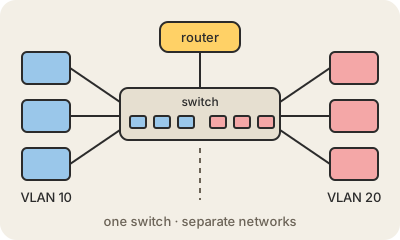
VLAN
A way to split one physical network into several separate ones, using software rules.
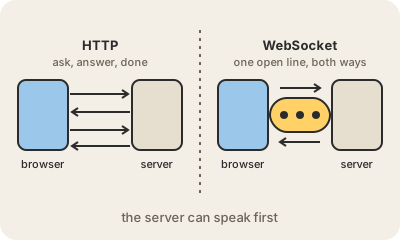
WebSocket
A connection between browser and server that stays open, so both can talk anytime.