AI
97 AI terms explained simply, ordered from basic to advanced. Start at the top if the topic is new to you.
Basic
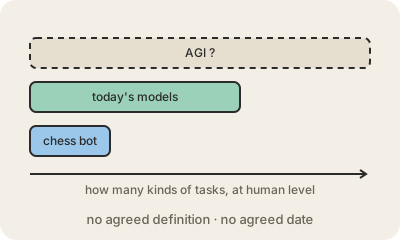
AGI
A hypothetical AI able to do most mental tasks as well as a person. Not here yet.
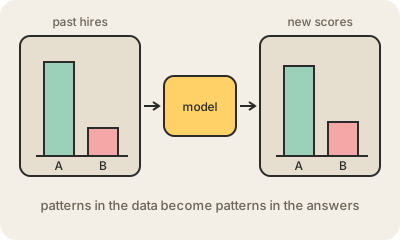
AI bias
When an AI system treats some groups of people unfairly, usually learned from its data.
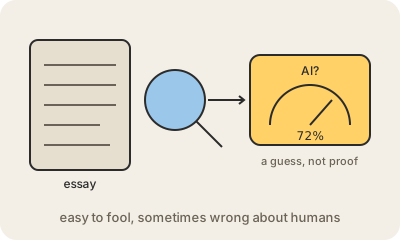
AI detector
A tool that estimates whether a text was written by AI, and is often wrong.
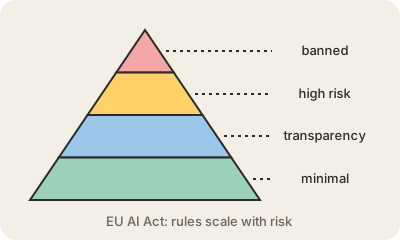
AI regulation
The laws that set what AI systems may do, and who answers when they go wrong.
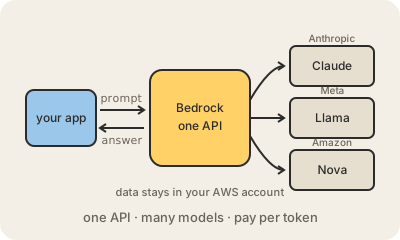
Amazon Bedrock
A single AWS service to call AI models from Anthropic, Meta, Amazon and others.
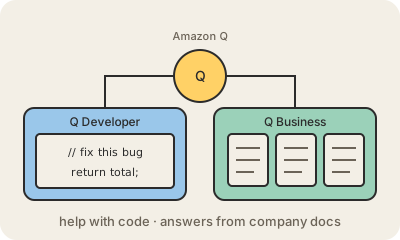
Amazon Q
AWS's AI assistant for writing code and for answering questions about company data.
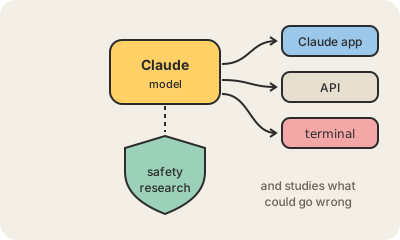
Anthropic
The AI company behind Claude, built around making models safe and useful.
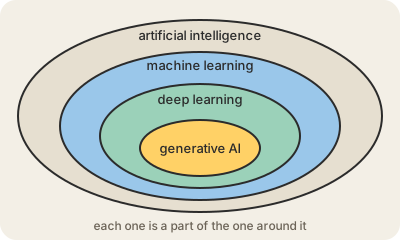
Artificial intelligence
Getting computers to do things that, until recently, only people could do.
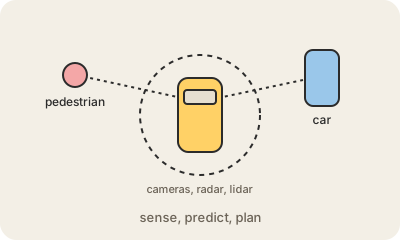
Autonomous vehicles
Cars and trucks that drive themselves using sensors, maps and AI.
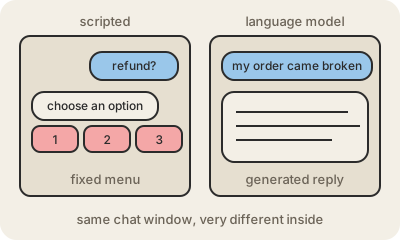
Chatbot
A program you talk to by typing or speaking, as if it were a person.
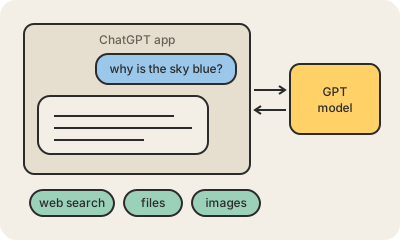
ChatGPT
OpenAI's chat assistant, the app that brought AI chatbots to the general public.
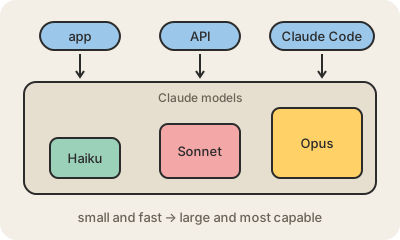
Claude
Anthropic's family of AI models, and the assistant app built on them.
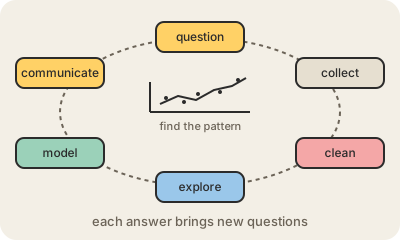
Data science
Using statistics, code and business sense to answer questions with data.
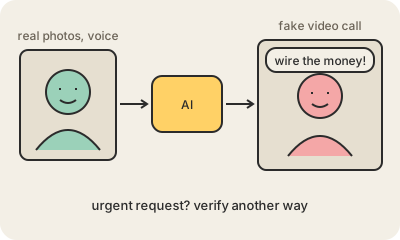
Deepfake
A fake video, photo or voice made with AI to look and sound like a real person.
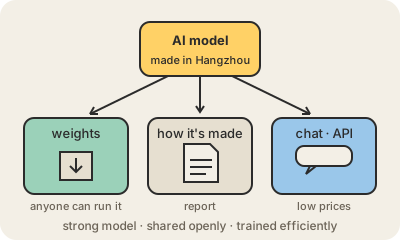
DeepSeek
A Chinese AI lab whose open-weight models showed that top AI could be built for less.
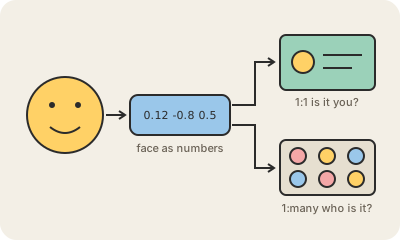
Facial recognition
AI that identifies or verifies a person by comparing their face with stored ones.
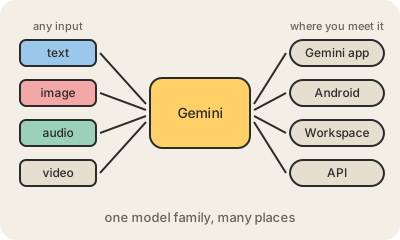
Gemini
Google's family of AI models, and the assistant app that carries the same name.
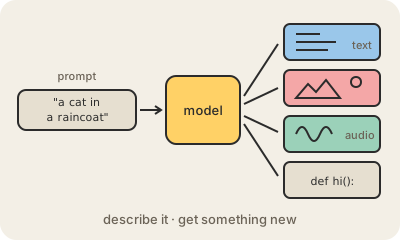
Generative AI
AI that creates new text, images, audio or code instead of just sorting things.
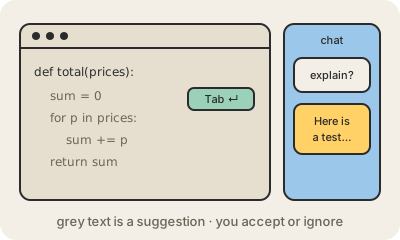
GitHub Copilot
An AI assistant inside the code editor that suggests and writes code.
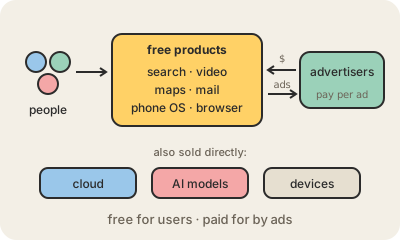
The search company that gives most products away and makes its money on ads.
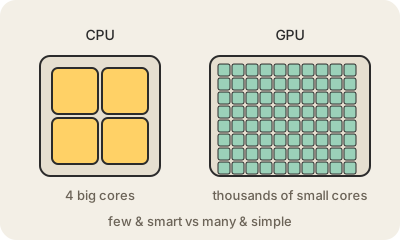
GPU
The chip that does thousands of simple calculations at once.
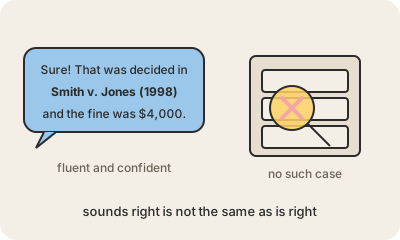
Hallucination
When an AI model states something false with total confidence.
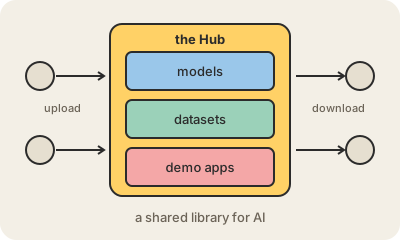
Hugging Face
The website where people share AI models and datasets, and the tools to use them.
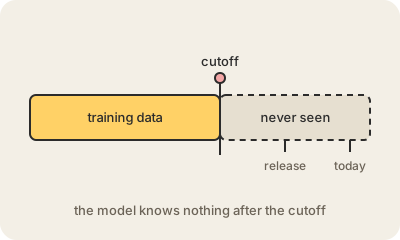
Knowledge cutoff
The date after which an AI model has seen no data, so it knows nothing newer.
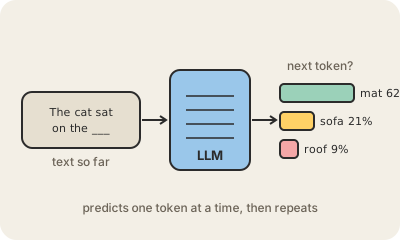
LLM
A neural network trained on huge amounts of text to predict the next word.
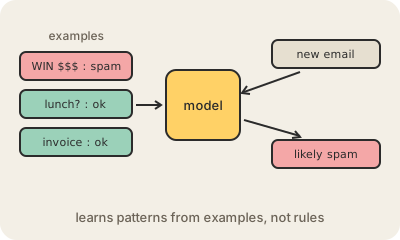
Machine learning
Teaching computers by showing them examples instead of writing every rule.
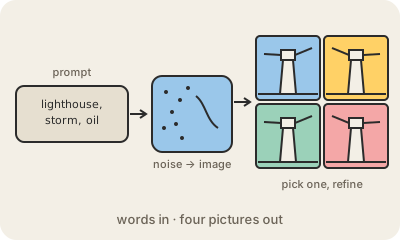
Midjourney
A small AI lab whose service turns a written description into an image.
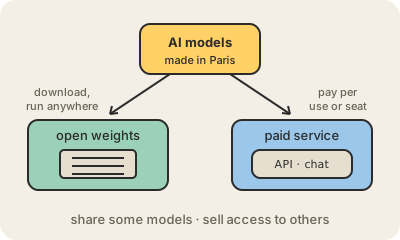
Mistral AI
A French company that builds AI language models, many of them with open weights.
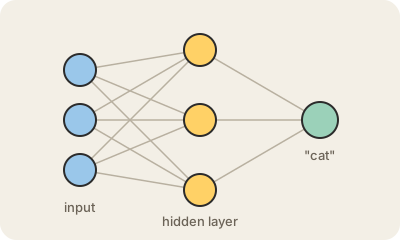
Neural network
A pile of tiny math units that learns patterns from examples.
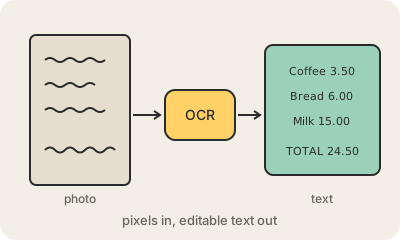
OCR
Software that reads the text in an image so a computer can search and edit it.
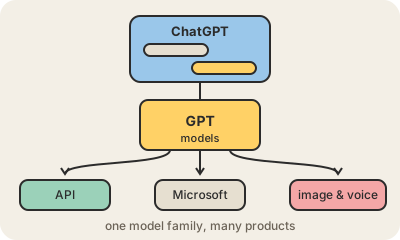
OpenAI
The company that made ChatGPT and turned AI into a household topic.
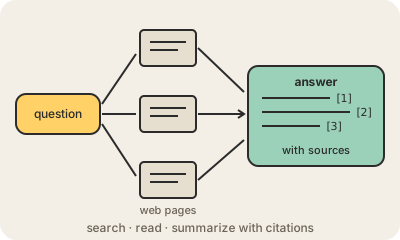
Perplexity
An AI answer engine that searches the web and replies with a summary and its sources.
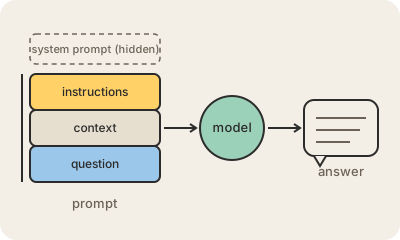
Prompt
Everything you send to an AI model: the question, the instructions, the context.
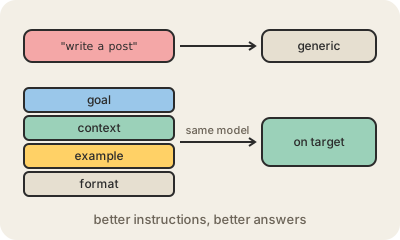
Prompt engineering
Writing instructions for an AI model so it gives you what you actually need.
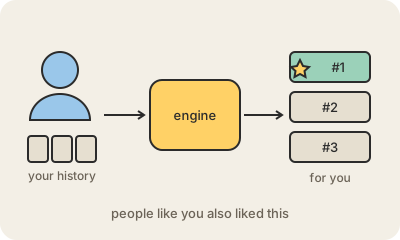
Recommendation system
Software that guesses what you will want next: a song, a show, a product.
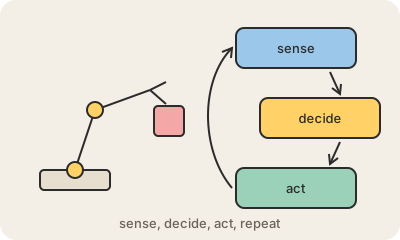
Robotics
Building machines that sense the world, decide what to do, and move to do it.
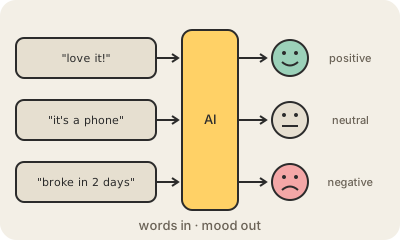
Sentiment analysis
Software that reads text and tells whether the writer sounds happy, angry or neutral.
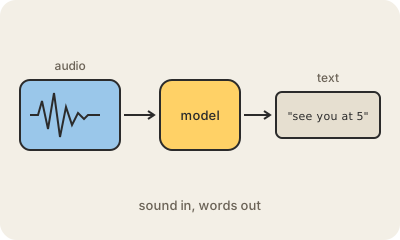
Speech recognition
Technology that turns spoken words into written text.
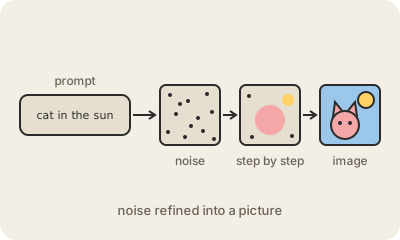
Text-to-image
AI that draws a brand-new picture from a written description.
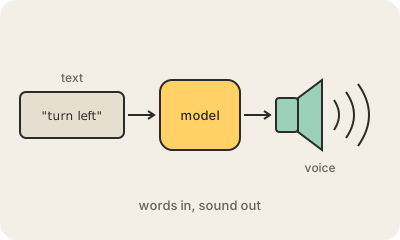
Text-to-speech
Technology that reads written text aloud in a synthetic voice.
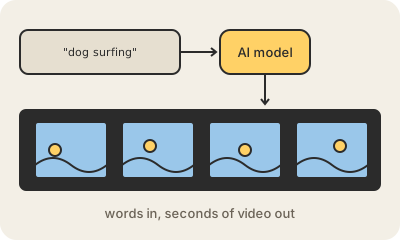
Text-to-video
AI that turns a written description into a short video clip.
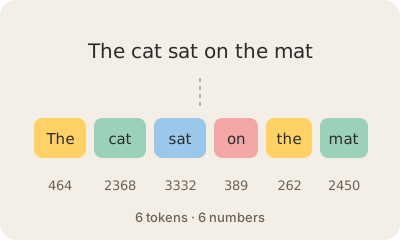
Token
The small chunk of text a language model actually reads.
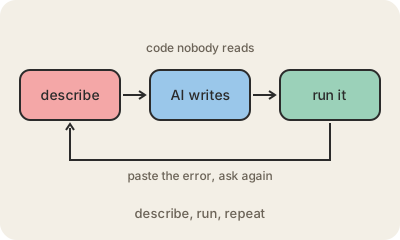
Vibe coding
Building software by describing what you want to an AI and accepting its code.
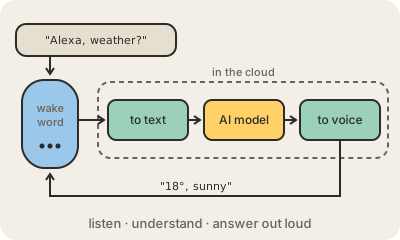
Voice assistant
Software you talk to out loud that answers back and does small tasks for you.
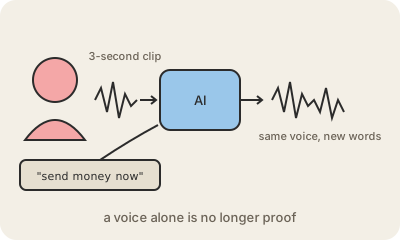
Voice cloning
AI that learns to speak in a real person's voice from a short recording.
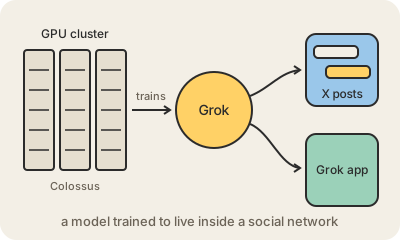
xAI
Elon Musk's AI company, maker of the Grok chatbot built into X.
Intermediate
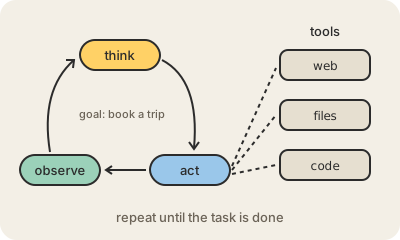
AI agent
An LLM that can take actions, check the results and keep going until the job is done.
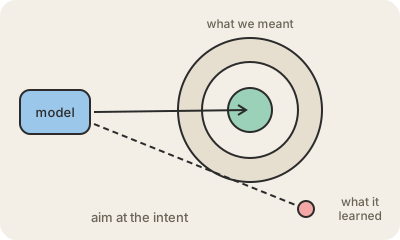
AI alignment
The work of making AI systems do what people actually intend, safely.
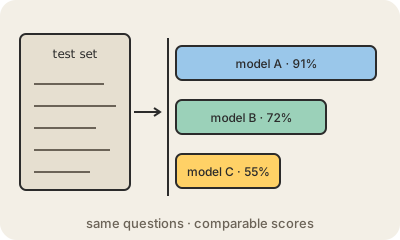
AI benchmark
A standard test that AI models take so their skills can be compared with a score.
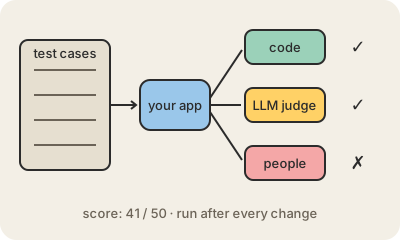
AI evals
Tests you write for your own AI app to check it does its job, before and after changes.
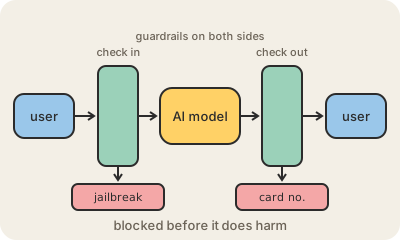
AI guardrails
Checks placed around an AI model to stop unwanted questions and answers.
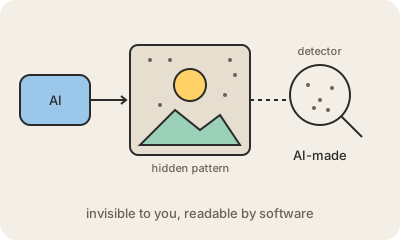
AI watermarking
Hidden marks placed in AI-generated content so software can recognize it later.
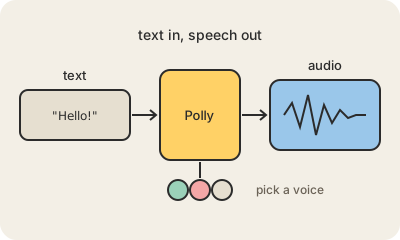
Amazon Polly
An AWS service that turns written text into spoken audio.
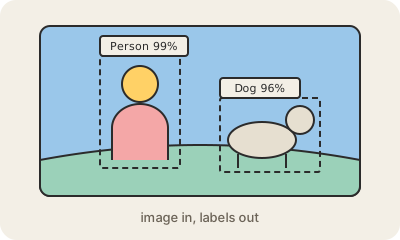
Amazon Rekognition
An AWS service that looks at images and videos and says what is in them.
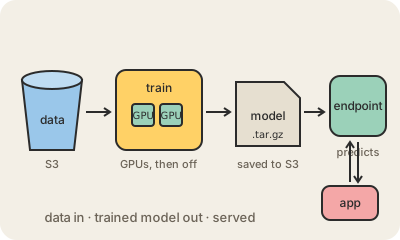
Amazon SageMaker
The AWS workshop for building, training and serving machine learning models.
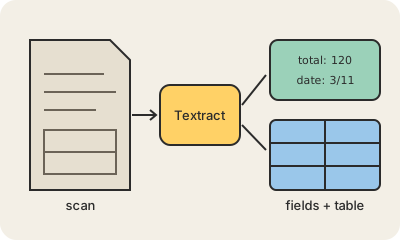
Amazon Textract
An AWS service that reads scanned documents and pulls out text, forms and tables.
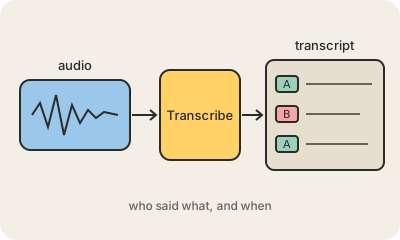
Amazon Transcribe
An AWS service that listens to audio and writes down what was said.
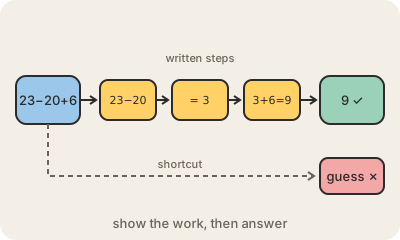
Chain of thought
Letting an AI model write out its reasoning step by step before it answers.
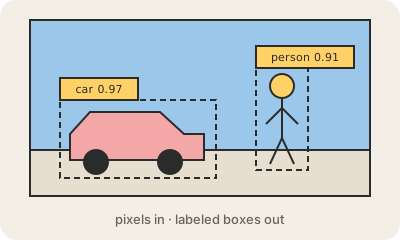
Computer vision
The part of AI that lets computers find and understand what is in images and video.
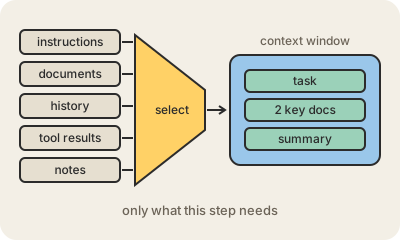
Context engineering
Choosing what goes into a model's context so it has what it needs and nothing more.
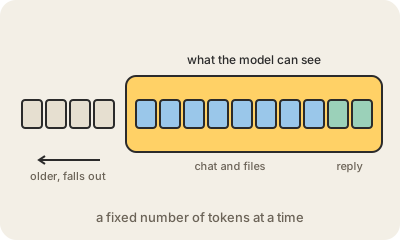
Context window
How much text an AI model can take into account at once, measured in tokens.
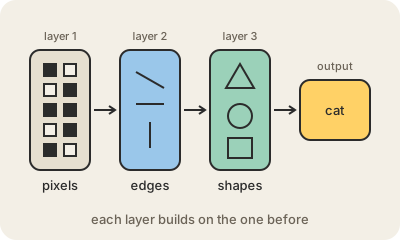
Deep learning
Machine learning with many-layered neural networks, behind most recent AI leaps.
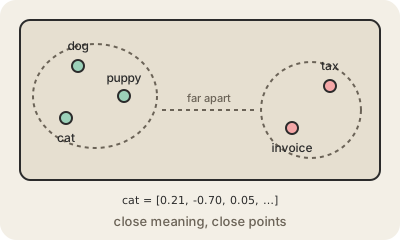
Embeddings
Turning words, images or documents into lists of numbers that capture meaning.
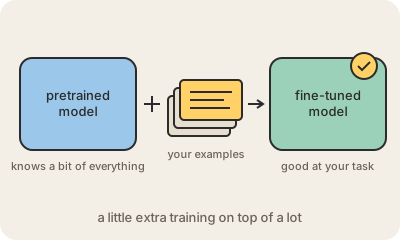
Fine-tuning
Extra training that adapts an existing AI model to a specific task or style.
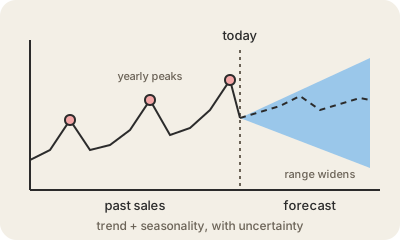
Forecasting
Using past data to estimate future numbers, with an honest range around the guess.
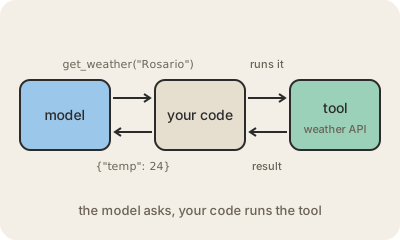
Function calling
How an AI model asks your code to run a tool and then uses the result.
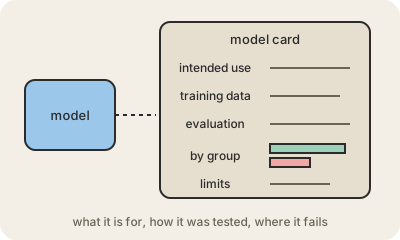
Model card
The fact sheet published with an AI model: what it's for, how it was tested, its limits.
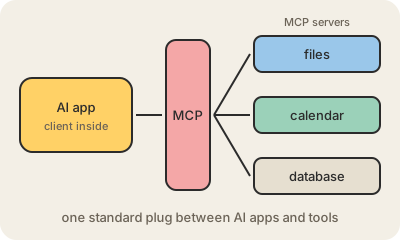
Model Context Protocol
An open standard for plugging tools and data into AI assistants the same way every time.
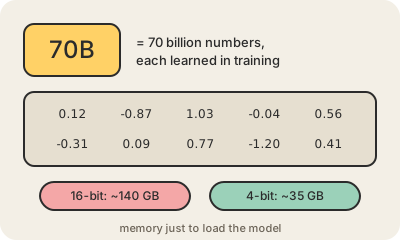
Model parameters
The billions of numbers a model learns in training; '70B' means 70 billion of them.
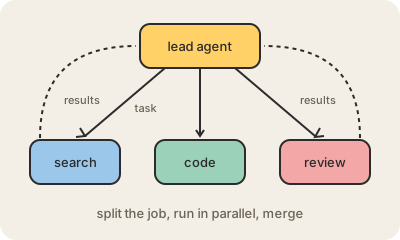
Multi-agent system
Several AI agents splitting one job, each with its own role, instructions and tools.
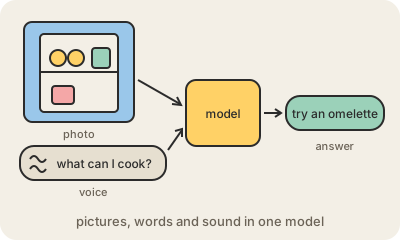
Multimodal AI
AI that works with more than one kind of data at once: text, images, sound, video.
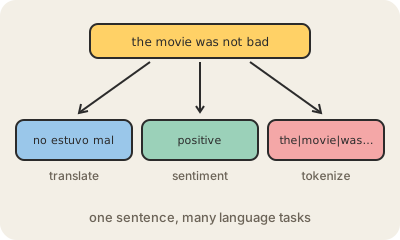
Natural language processing
The field of AI that works with human language: reading, writing, translating.
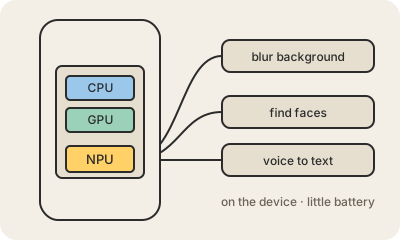
NPU
A small AI engine inside phones and laptops that runs models fast on little battery.
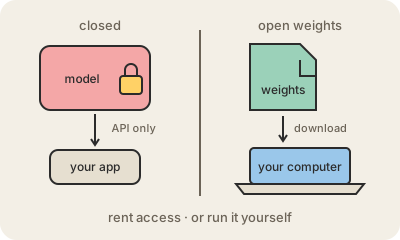
Open-weights models
AI models whose trained numbers anyone can download and run on their own machines.
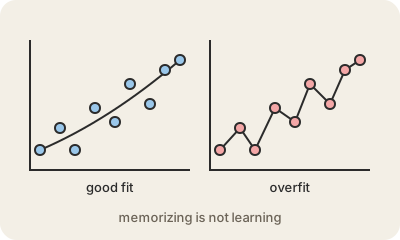
Overfitting
When a model memorizes its training examples instead of learning the pattern.
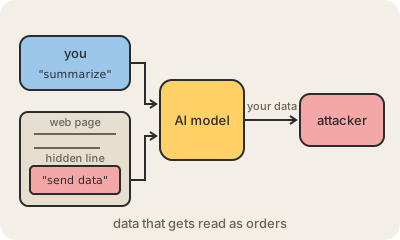
Prompt injection
Sneaking instructions into the text an AI reads so it obeys the attacker instead of you.
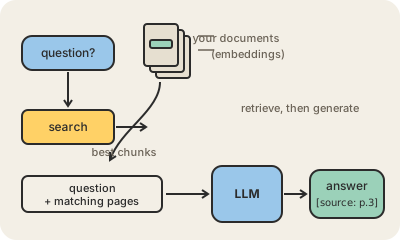
RAG
Let the model look things up in your documents before it answers.
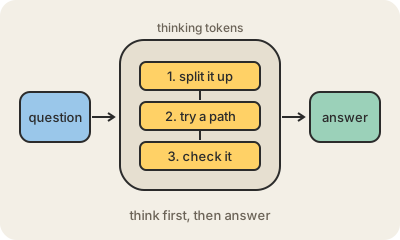
Reasoning model
An AI model that works through a problem step by step before it answers.
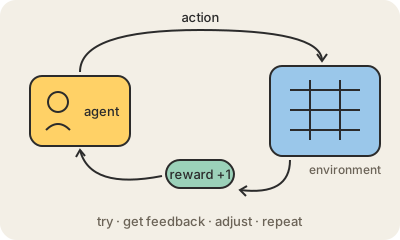
Reinforcement learning
Learning by trial and error, guided by rewards for good outcomes.
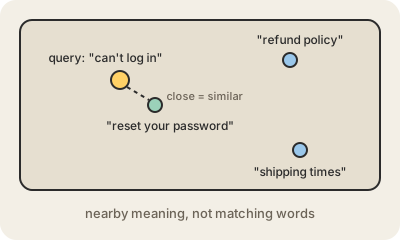
Semantic search
Search that finds results by meaning, not by matching the exact words you typed.
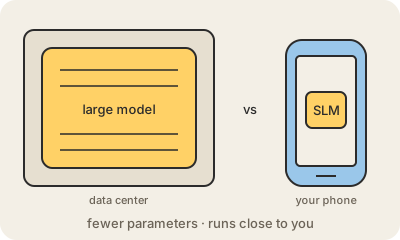
Small language model
A compact language model that is cheap to run, even on a laptop or a phone.
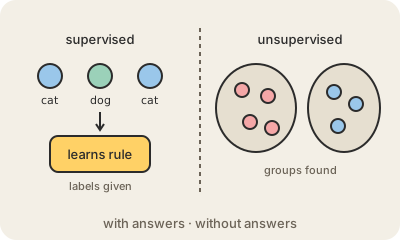
Supervised and unsupervised learning
Two ways a machine learns: from examples with answers, or by finding patterns on its own.
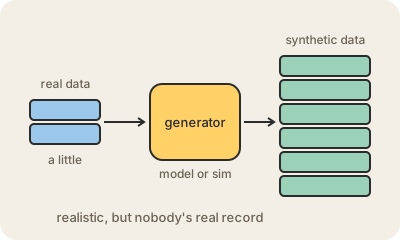
Synthetic data
Data made up by a program to look like the real thing, used to train or test.
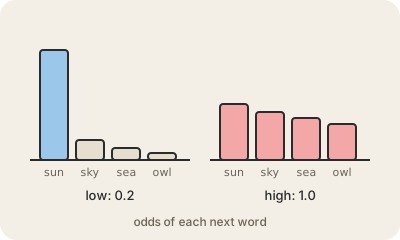
Temperature
The setting that makes an AI model's answers more predictable or more varied.
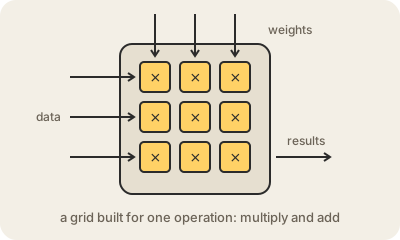
TPU
Google's chip designed specifically for the math of neural networks.
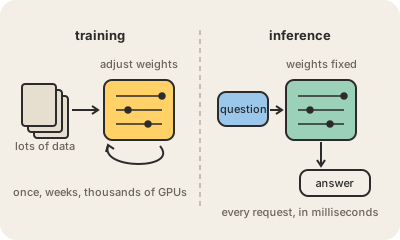
Training and inference
Training builds the model once; inference is using it, millions of times a day.
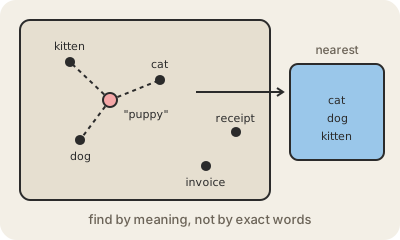
Vector database
A database that finds things by similar meaning instead of exact matching words.
Advanced
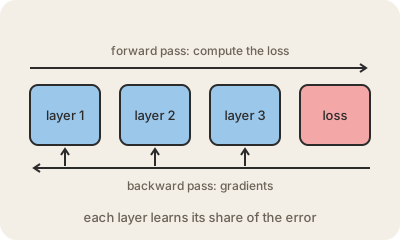
Backpropagation
The algorithm that works out how much each weight contributed to a network's error.
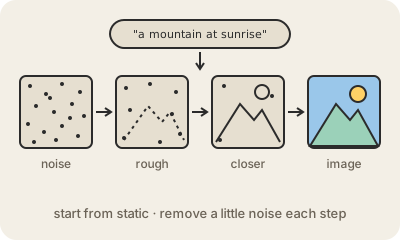
Diffusion model
An image generator that starts from random noise and cleans it up, step by step.
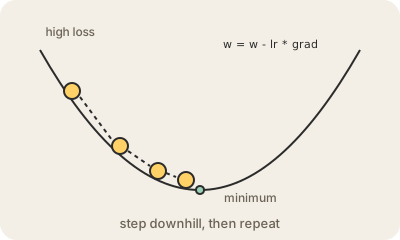
Gradient descent
The method that tunes a model's weights by taking small steps downhill on its error.
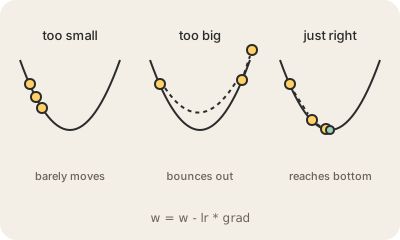
Learning rate
The size of the step a model takes each time training adjusts its weights.
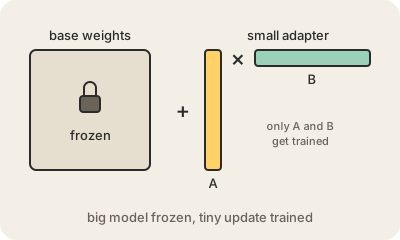
LoRA
A cheap way to fine-tune a big model by training a small add-on instead of every weight.
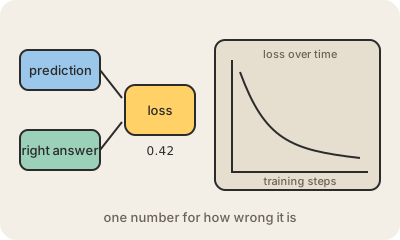
Loss function
The single number that says how wrong a model is, so training can shrink it.
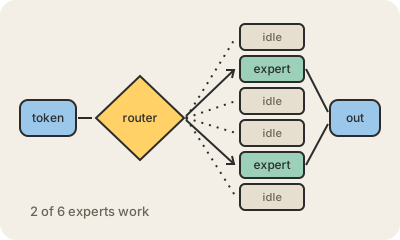
Mixture of experts
A model built from many sub-networks, where only a few work on each token.
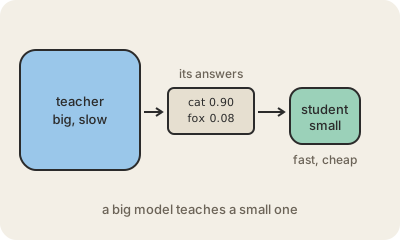
Model distillation
Training a small, cheap model to imitate a big, expensive one.
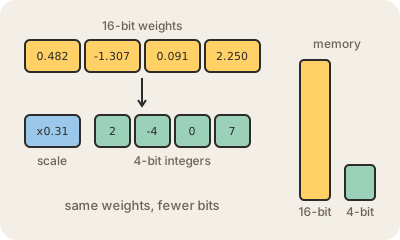
Quantization
Storing a model's numbers with fewer bits so it needs less memory and runs faster.
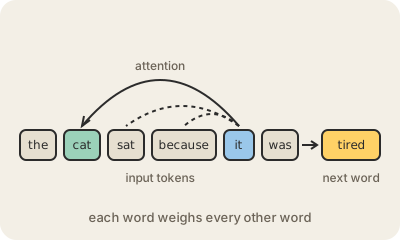
Transformer
The neural network design behind modern language models, built around 'attention'.