Cloud
82 Cloud terms explained simply, ordered from basic to advanced. Start at the top if the topic is new to you.
Basic
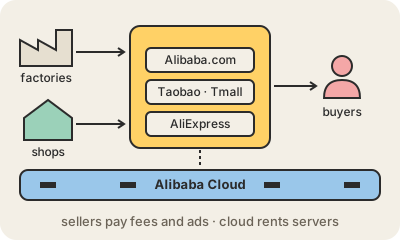
Alibaba
China's giant of online marketplaces, which also runs a major cloud.
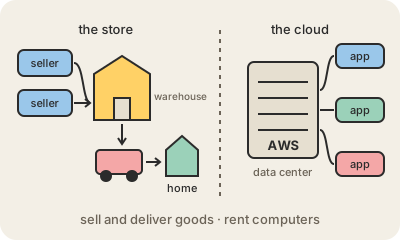
Amazon
An online store with its own delivery network, and the company that runs AWS.
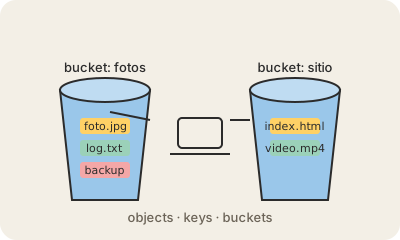
Amazon S3
A giant online drawer for files, rented by the gigabyte.
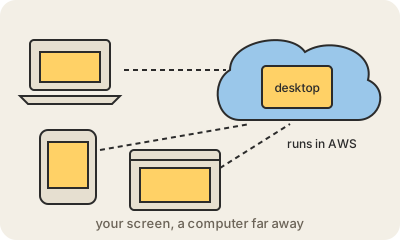
Amazon WorkSpaces
A full Windows or Linux desktop that lives in AWS and that you open from any device.
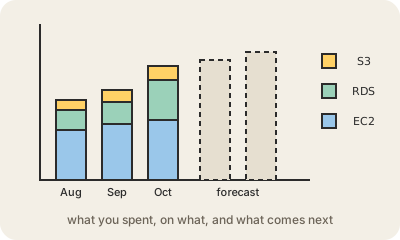
AWS Cost Explorer
The AWS screen that shows what you spent, on what, and what you will likely spend.
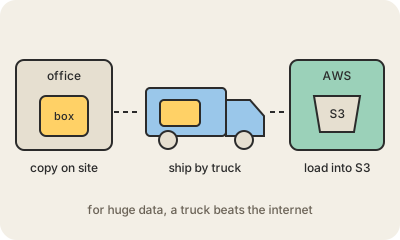
AWS Snowball
A rugged box AWS shipped to you to move huge amounts of data by truck instead of internet.
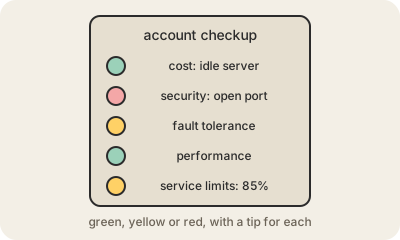
AWS Trusted Advisor
An automatic checkup of your AWS account with tips to save money and stay safe.
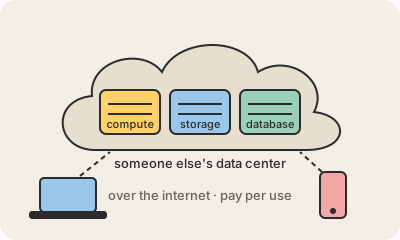
Cloud computing
Renting computers over the internet instead of buying your own.
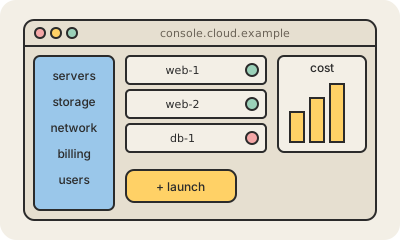
Cloud console
The website where you log in to see and manage everything you rent in the cloud.
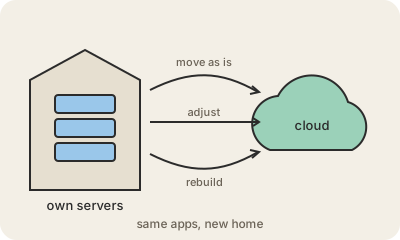
Cloud migration
Moving a company's apps and data from its own servers to a cloud provider.
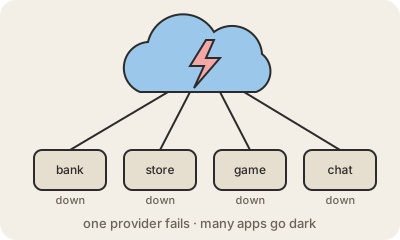
Cloud outage
When a cloud provider fails and many apps and websites go down with it.
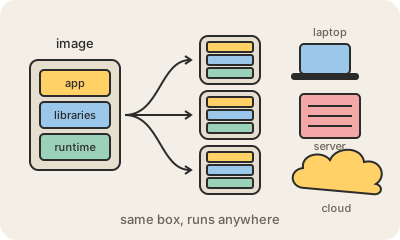
Container
A sealed box with a program and everything it needs to run anywhere.
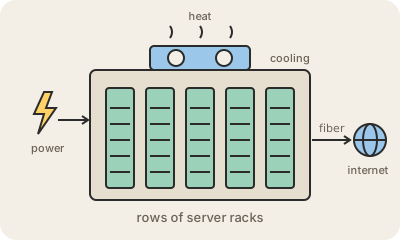
Data center
A building full of servers where the internet, the cloud and AI actually run.
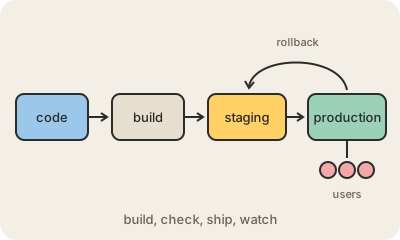
Deployment
Getting a new version of software from the team's computers to real users.
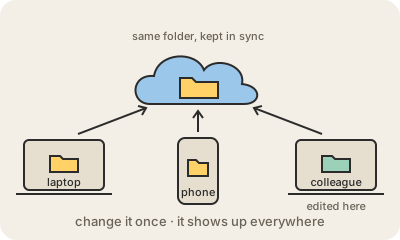
Dropbox
A company that keeps a folder of your files in sync across all your devices.
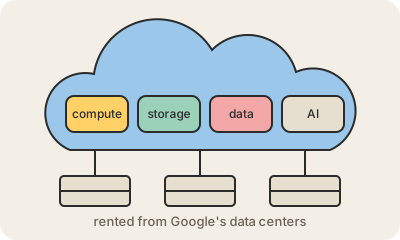
Google Cloud
Google's cloud business: computing, storage, data and AI services rented by the hour.
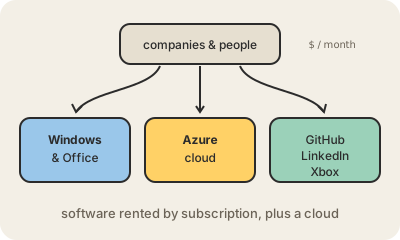
Microsoft
The company of Windows and Office, now just as much a cloud company with Azure.
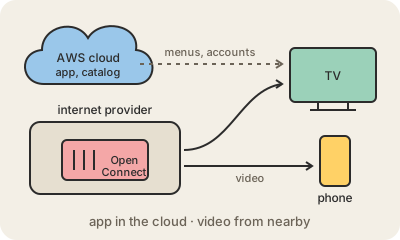
Netflix
A streaming service, and the engineering it built to deliver video to the whole world.
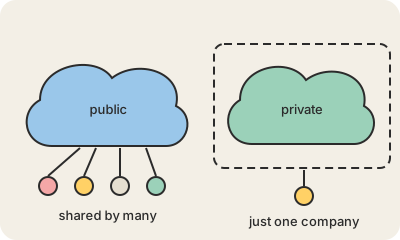
Private cloud
Cloud-style computing reserved for a single organization.
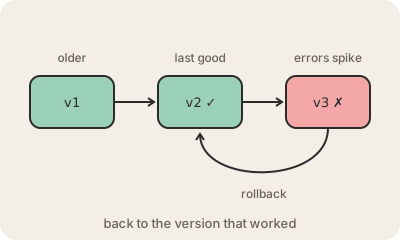
Rollback
Going back to the last version that worked when a new one causes problems.
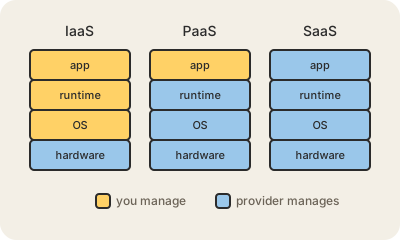
SaaS, PaaS and IaaS
Three ways to rent computing, depending on how much of the work you hand over.
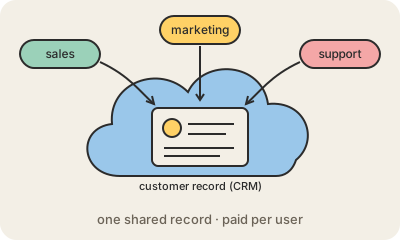
Salesforce
The company that sells, as an online subscription, the software to manage customers.
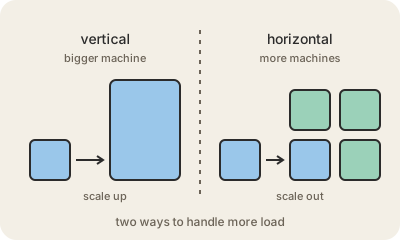
Scalability
How well a system keeps working when it has to handle much more.
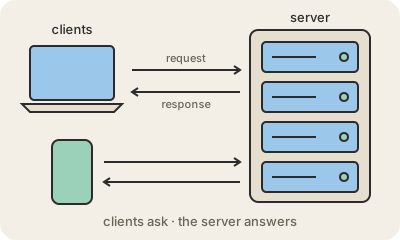
Server
A computer whose job is to answer requests from other computers, all day, every day.
SLA
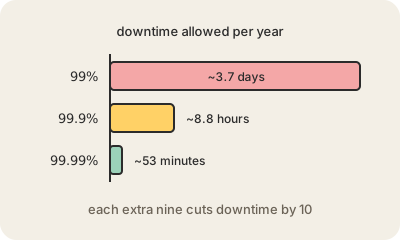
A written promise about how reliable a service will be, and what happens if it is not.
Spotify
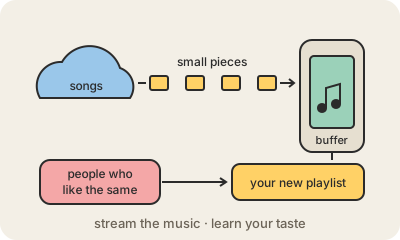
A Swedish streaming service for music and podcasts, free with ads or paid monthly.
Vendor lock-in
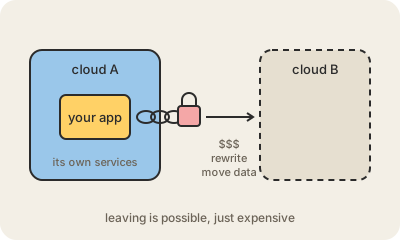
When leaving a provider would cost so much that you are stuck with it.
Virtual machine
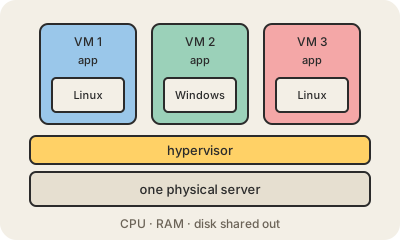
A complete computer made of software, running inside a real one.
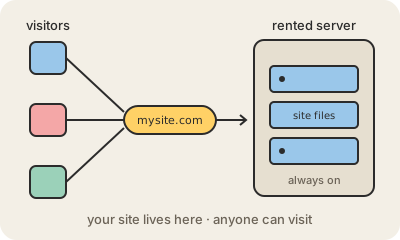
Web hosting
Renting space on an always-on computer so your website is reachable by anyone.
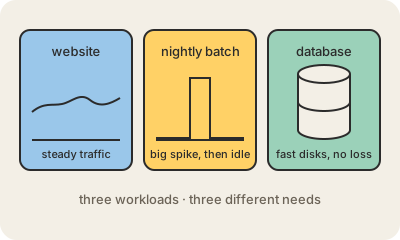
Workload
Any job you run on computers: an app, a database, a nightly report, an AI model.
Intermediate
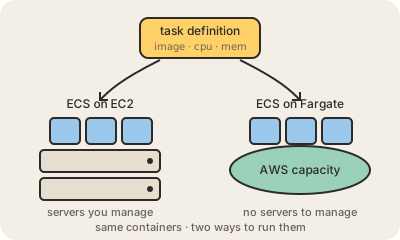
Amazon ECS and Fargate
AWS runs your containers; with Fargate you never see the servers at all.
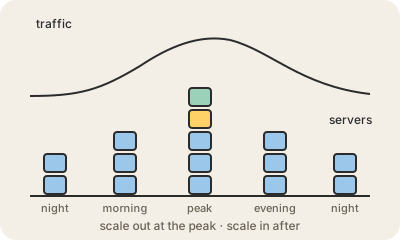
Autoscaling
Adding and removing servers automatically as demand goes up and down.
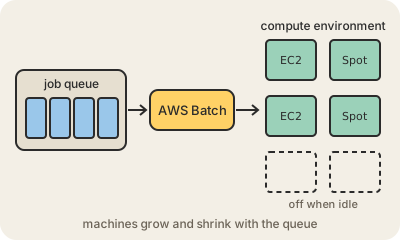
AWS Batch
An AWS service that runs big piles of jobs and rents the machines only while they work.
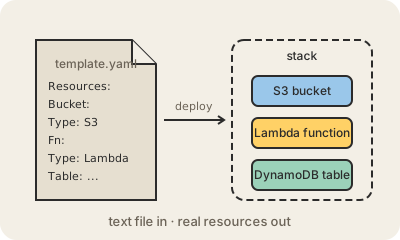
AWS CloudFormation
Describe your AWS infrastructure in a text file; AWS builds it exactly like that.
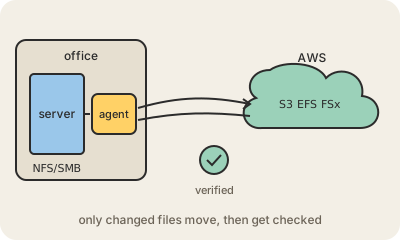
AWS DataSync
An AWS service that copies large amounts of files over the network, and checks they arrived intact.
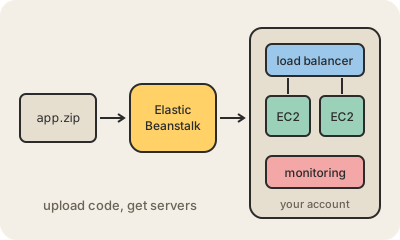
AWS Elastic Beanstalk
Upload your web app's code and AWS sets up the servers to run it.
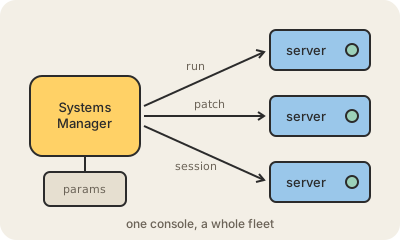
AWS Systems Manager
A toolbox for running, patching and logging into a whole fleet of servers at once.
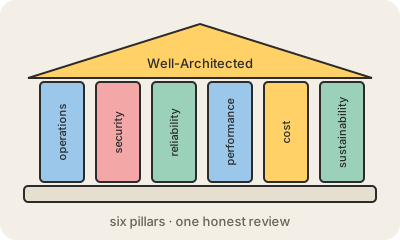
AWS Well-Architected Framework
AWS's checklist of good practices for building systems in the cloud that hold up.
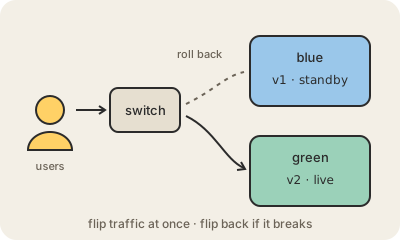
Blue-green deployment
Releasing a new version next to the old one and switching traffic over at once.
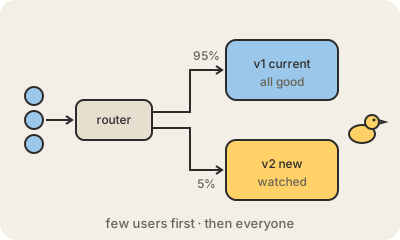
Canary release
Releasing a new version to a small slice of users first, and widening only if it behaves.
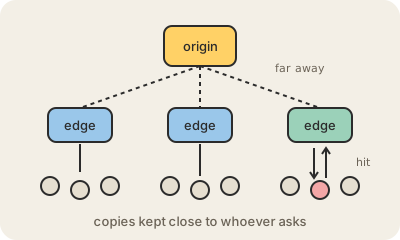
CDN
Copies of a website kept on servers around the world, close to whoever asks.
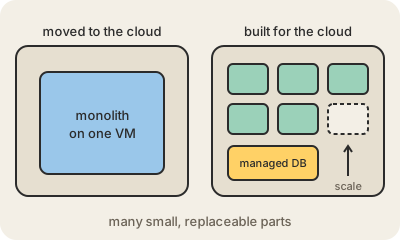
Cloud-native
Software designed from the start to take advantage of the cloud, not just moved into it.
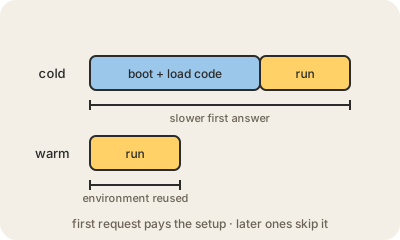
Cold start
The extra wait when a serverless function has to boot before answering.
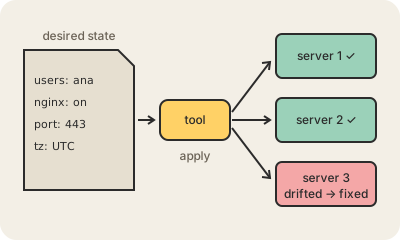
Configuration management
Describing how servers should be set up, and letting a tool keep them that way.
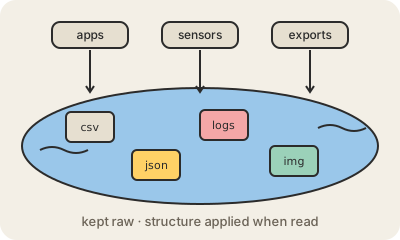
Data lake
Cheap storage where all your data is kept as raw files, to be sorted out later.
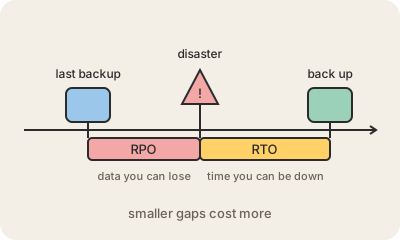
Disaster recovery
The plan for getting systems and data back after a major failure.
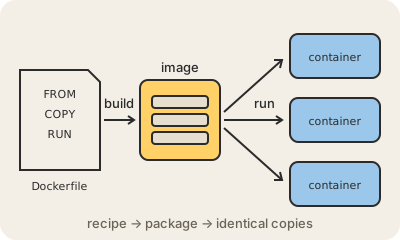
Docker
The tool that made containers easy: package an app once, run it anywhere.
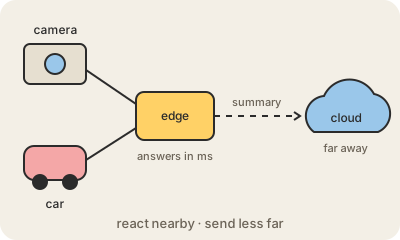
Edge computing
Processing data close to where it is created, instead of in a distant data center.
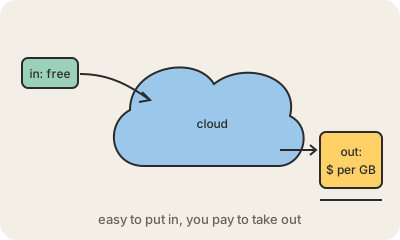
Egress fees
What a cloud provider charges you for data leaving its network.
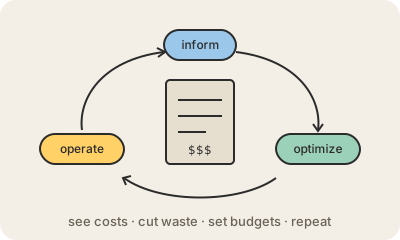
FinOps
Understanding and controlling cloud spending, as a job shared by engineers and finance.
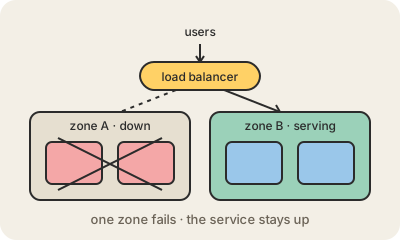
High availability
Designing a system so it keeps working when one of its parts fails.
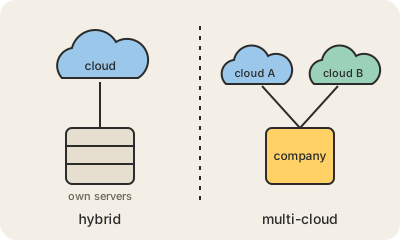
Hybrid and multi-cloud
Running systems across your own servers and the cloud, or across several cloud providers.
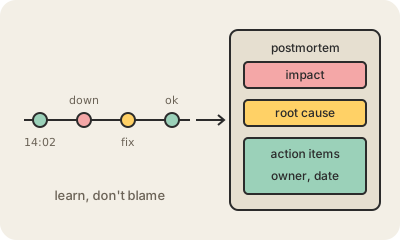
Incident postmortem
A written review of what went wrong in an outage and how to avoid a repeat.
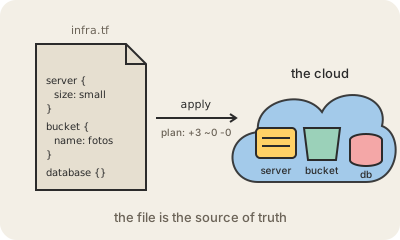
Infrastructure as code
Describing servers, networks and databases in files instead of clicking.
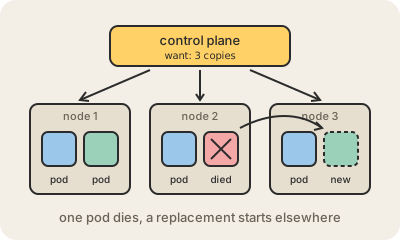
Kubernetes
The system that runs and babysits containers across many machines.
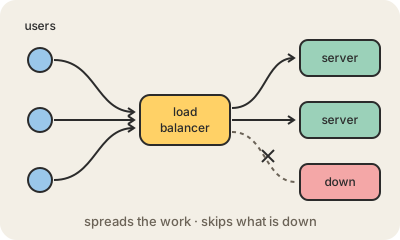
Load balancer
The traffic cop that spreads incoming requests across many servers.
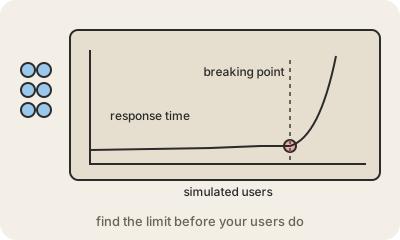
Load testing
Simulating lots of users at once to see how a system holds up before real ones arrive.
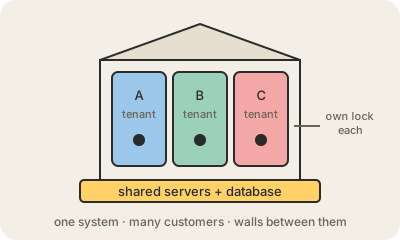
Multi-tenancy
One running system serving many customers, each seeing only its own data.
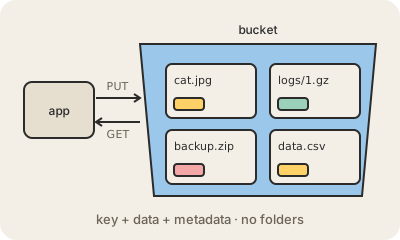
Object storage
Files stored as whole named objects, reached over the web, almost without limit.
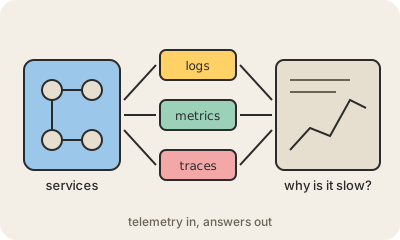
Observability
Being able to tell what a running system is doing, and why, from what it emits.
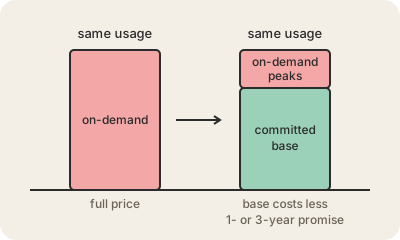
Reserved instances and Savings Plans
Cheaper cloud prices in exchange for promising to keep using it for one or three years.
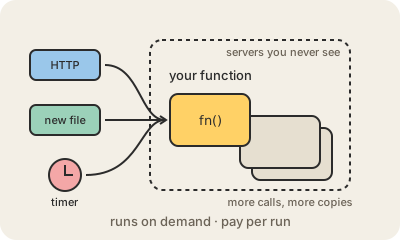
Serverless
Code that runs only when called; you never see or manage the server.
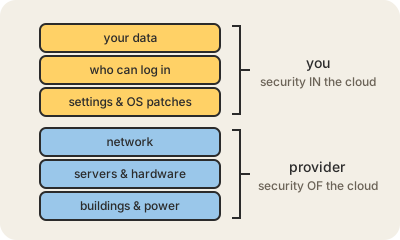
Shared responsibility model
Who secures what in the cloud: the provider, the customer, or both.
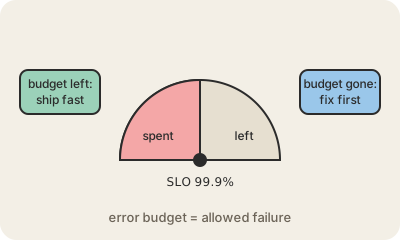
Site reliability engineering
Running production systems with software engineering, and a budget for failure.
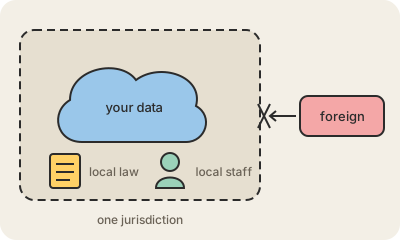
Sovereign cloud
A cloud built so data and its control stay under one country's or region's laws.
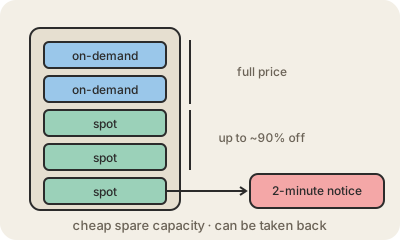
Spot instances
Spare cloud servers rented at a deep discount, but taken back on short notice.
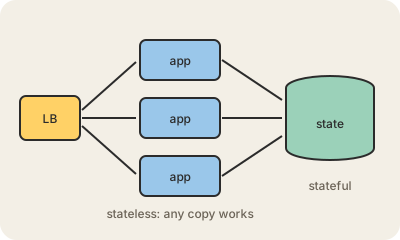
Stateless and stateful
Whether a program remembers things between requests, or keeps that memory somewhere else.
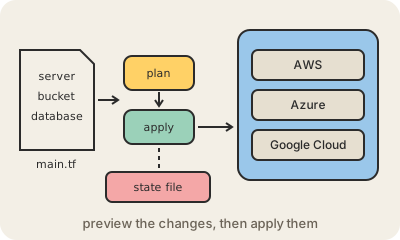
Terraform
A popular tool for describing cloud infrastructure in files and creating it for you.
Advanced
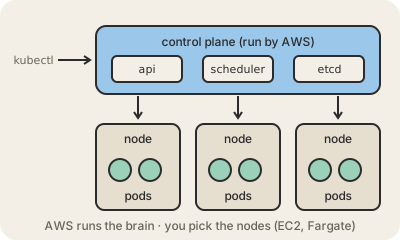
Amazon EKS
Kubernetes with the hard part, the control plane, run by AWS.
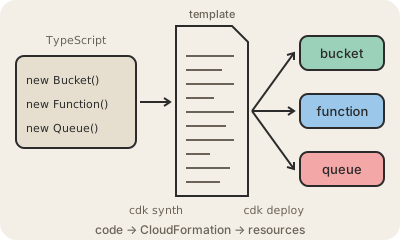
AWS CDK
Describe your AWS infrastructure in a real programming language instead of YAML.
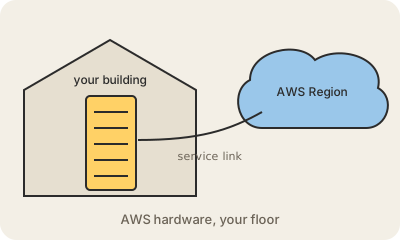
AWS Outposts
AWS hardware installed in your own building, run by AWS as part of a Region.
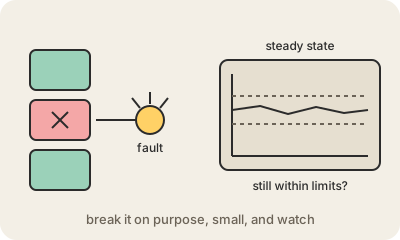
Chaos engineering
Breaking your own system on purpose, carefully, to find weak spots before outages do.
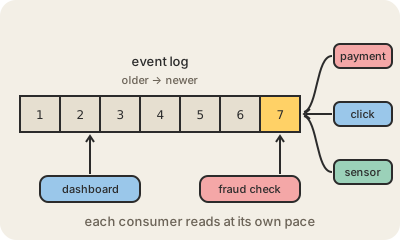
Data streaming
Processing data as a continuous flow of events, seconds after they happen.
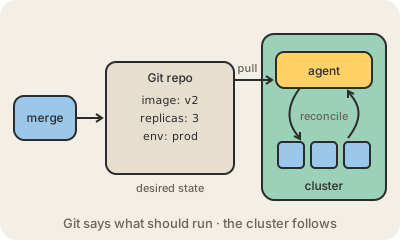
GitOps
Running infrastructure by editing files in Git and letting an agent make reality match.
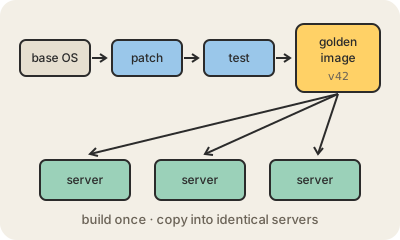
Golden image
A pre-built, approved server template that every new machine is copied from.
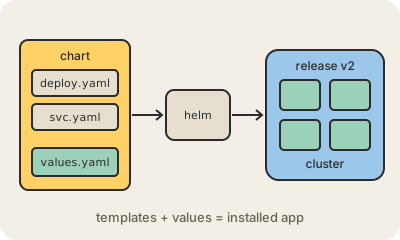
Helm
The package manager for Kubernetes: install a whole app with one command.
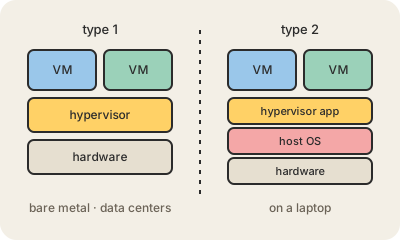
Hypervisor
The software layer that splits one physical computer into many virtual machines.
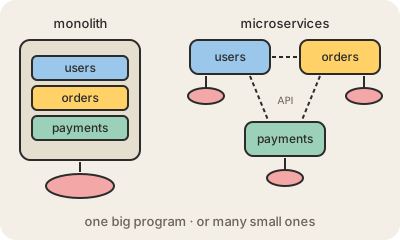
Microservices
Building one application as many small services that each do one job.
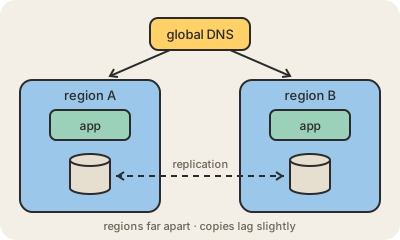
Multi-region architecture
Running an application in several cloud regions so it survives losing a whole one.
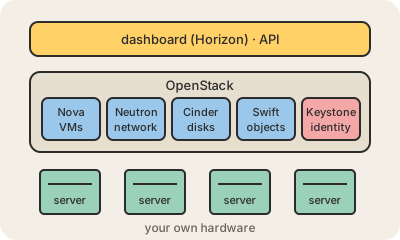
OpenStack
Open source software for building your own cloud on your own servers.
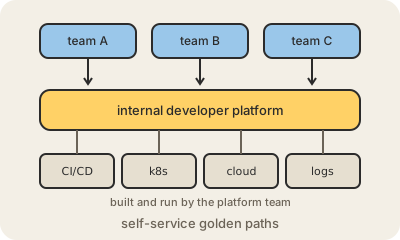
Platform engineering
Building an internal product that lets developers ship without becoming cloud experts.
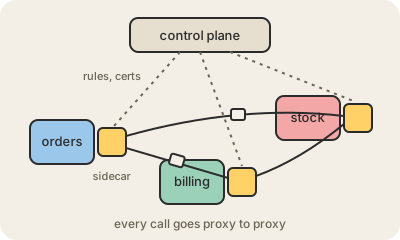
Service mesh
A network layer that handles how microservices talk, so the code does not have to.