Software
115 Software terms explained simply, ordered from basic to advanced. Start at the top if the topic is new to you.
Basic
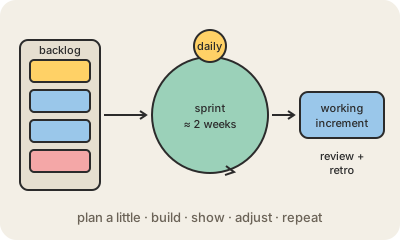
Agile and Scrum
Building software in short cycles, showing results often and adjusting as you learn.
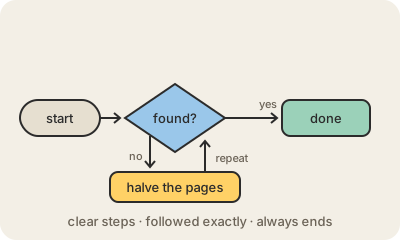
Algorithm
A precise, step-by-step method for solving a problem or doing a task.
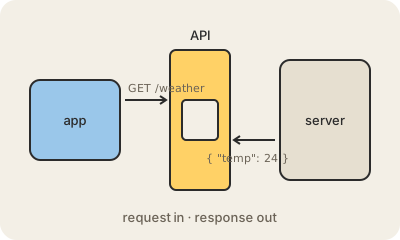
API
The menu of things one program lets another program ask for.
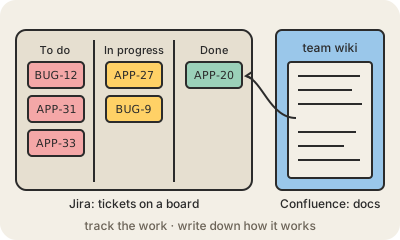
Atlassian
The Australian company behind Jira and Confluence, tools teams use to plan and document work.
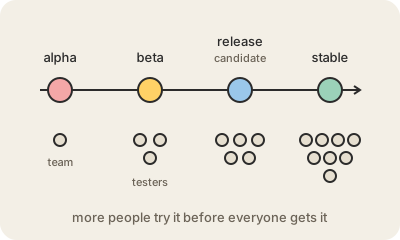
Beta version
An almost-finished version of software, released early so real users can find problems.
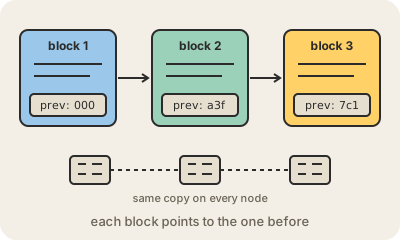
Blockchain
A shared record book, copied on many computers, where old pages can't be quietly changed.
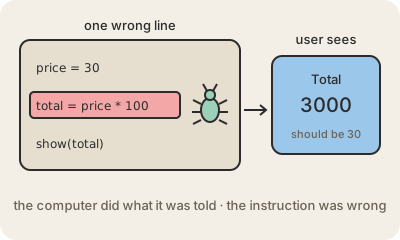
Bug
A mistake in software that makes it behave differently from what was intended.
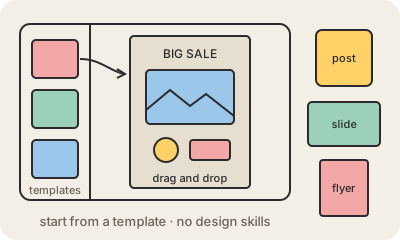
Canva
An online design tool that lets anyone make posters, posts and slides from templates.
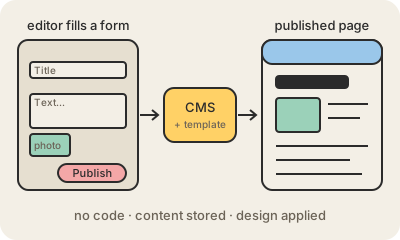
CMS
Software that lets people publish and edit a website's content without writing code.
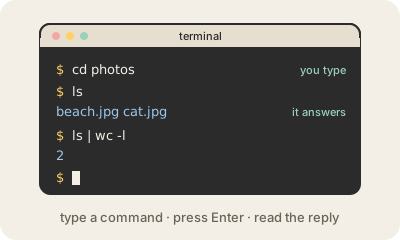
Command line
Controlling a computer by typing text commands instead of clicking icons.
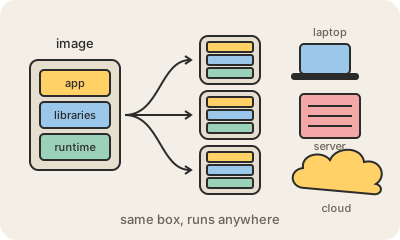
Container
A sealed box with a program and everything it needs to run anywhere.
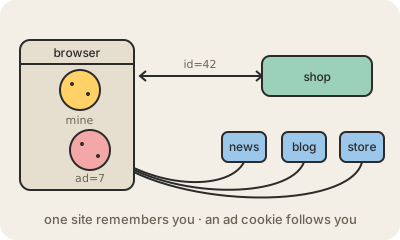
Cookies
Small notes a website asks your browser to keep, so it can recognize you later.
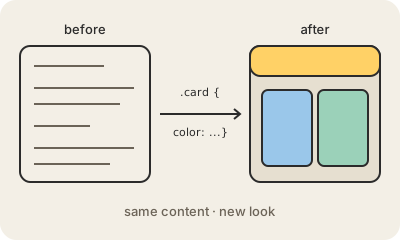
CSS
The language that decides how a web page looks: colors, fonts, spacing, layout.
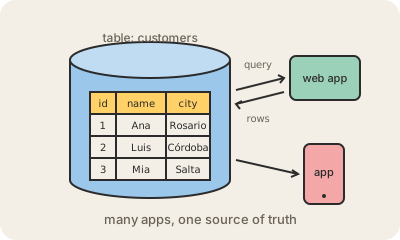
Database
An organized store of data that programs can search and update safely.
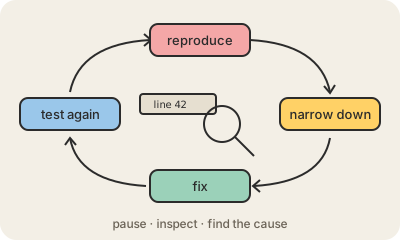
Debugging
The detective work of finding why a program misbehaves, and fixing it.
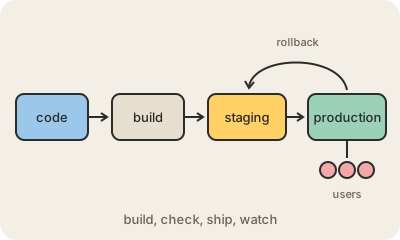
Deployment
Getting a new version of software from the team's computers to real users.
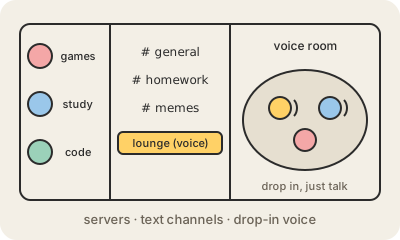
Discord
An app for online communities to chat by text, voice and video in shared spaces.
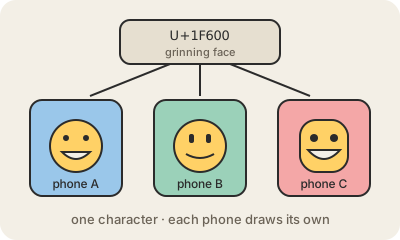
Emoji
Little pictures that are really text characters, drawn differently by each phone maker.
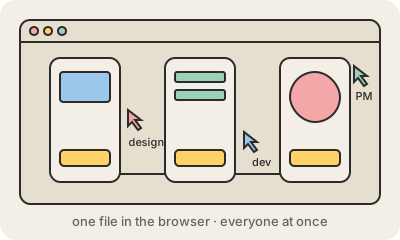
Figma
A design tool in the browser where whole teams design apps and websites together.
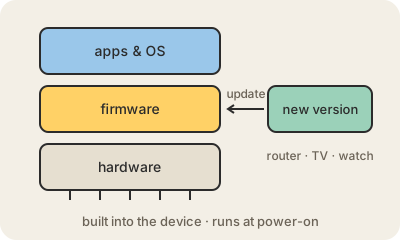
Firmware
Software built into a device to run its hardware, from routers to washing machines.
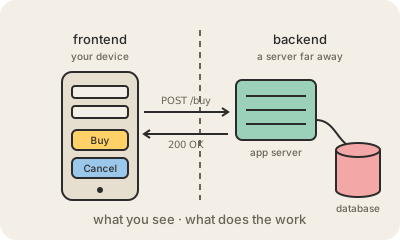
Frontend and backend
The part of an app you see and touch, and the part that works behind it.
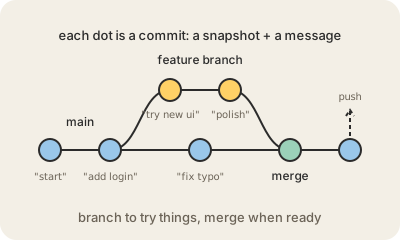
Git
A time machine for code: every change saved, by whom and why.
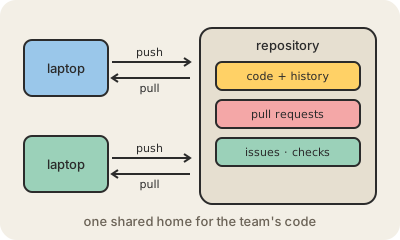
GitHub
A website where teams store their code with Git and work on it together.
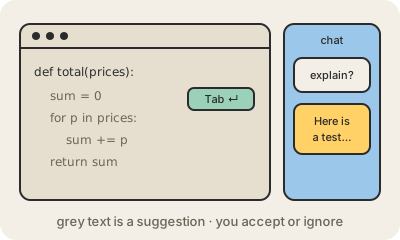
GitHub Copilot
An AI assistant inside the code editor that suggests and writes code.
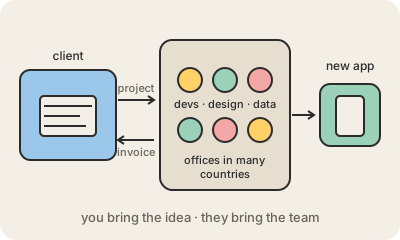
Globant
An Argentine-born company that builds software for other companies around the world.
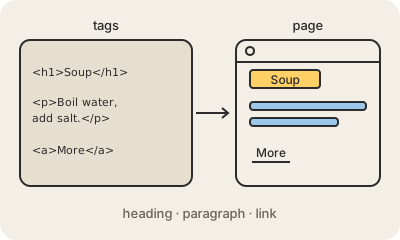
HTML
The text format that describes what is on a web page: headings, paragraphs, links.
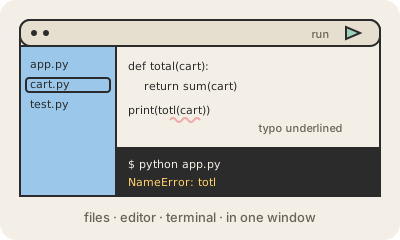
IDE
The app where programmers write, run and fix code, with all the tools in one window.
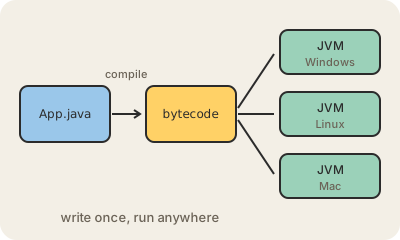
Java
A long-lived programming language behind many bank systems, big business apps and Android.
JavaScript
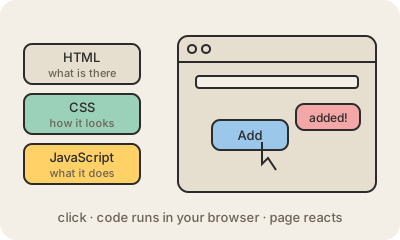
The programming language that runs inside web pages and makes them interactive.
JSON
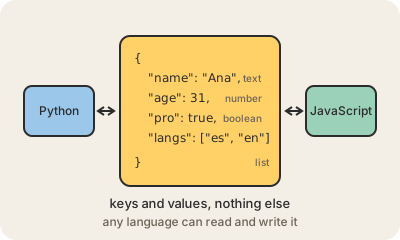
The plain-text format programs use to hand each other structured data.
Legacy system
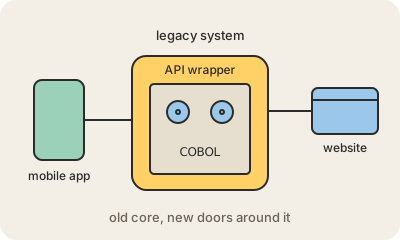
Old software a business still depends on and cannot easily replace.
Linux
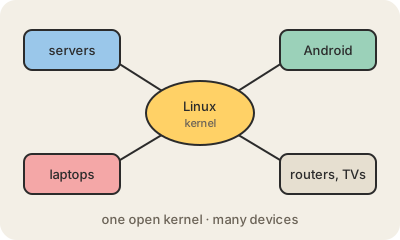
A free, open source operating system that runs most of the internet's servers.
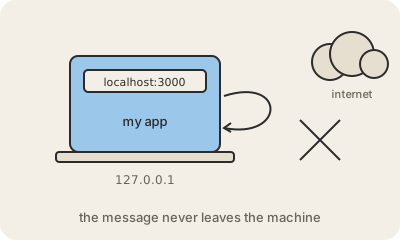
Localhost
The name a computer uses to talk to itself.
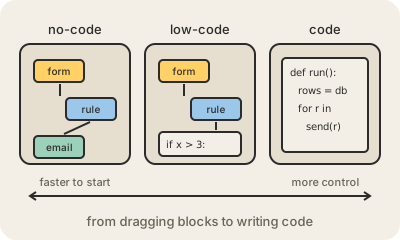
Low-code and no-code
Building apps and automations by dragging blocks instead of writing code.
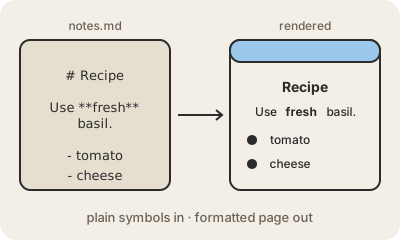
Markdown
A way to format text with plain symbols like # and *, readable even before it is rendered.
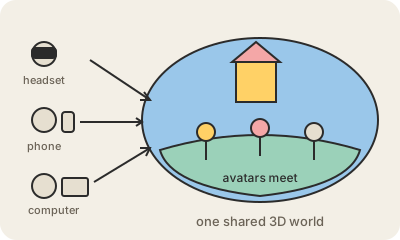
Metaverse
The idea of shared 3D virtual worlds where people meet, play and work as avatars.
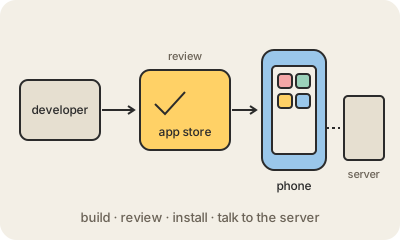
Mobile app
A program made to run on a phone or tablet, usually installed from an app store.
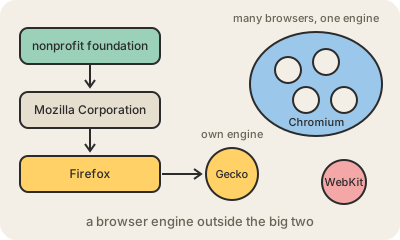
Mozilla
The nonprofit-owned organization behind the Firefox browser and an open web.
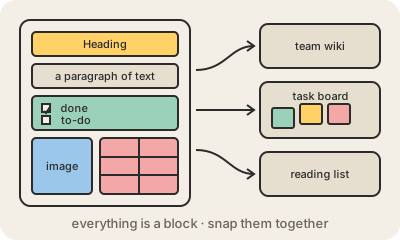
Notion
An all-in-one workspace for notes, documents, wikis and simple databases.
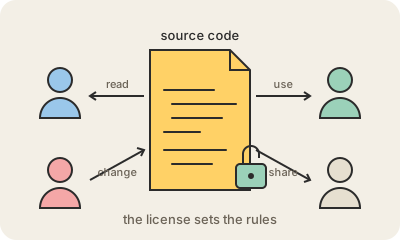
Open source
Software whose code anyone can read, use, change and share.
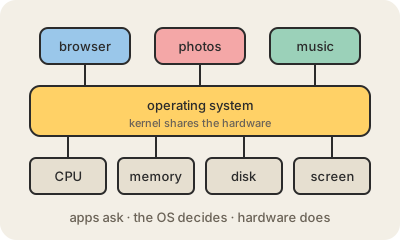
Operating system
The base software that runs a device and lets every app share its hardware.
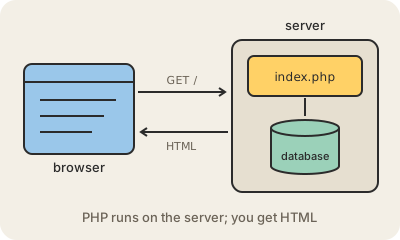
PHP
A language that runs on the server and builds web pages before they reach you.
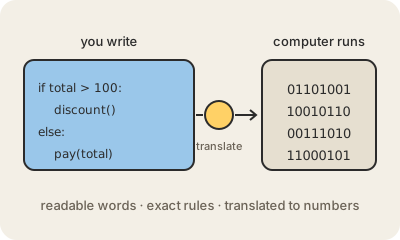
Programming language
A precise, written language people use to give instructions to a computer.
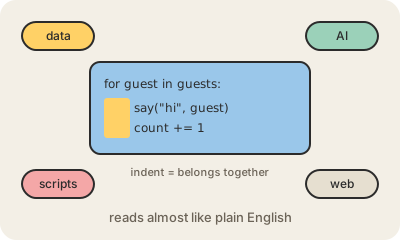
Python
A popular programming language known for being easy to read and quick to write.
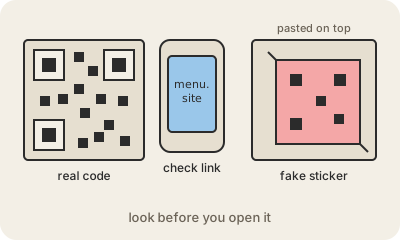
QR code
A square pattern of dots that a phone camera reads, usually to open a link.
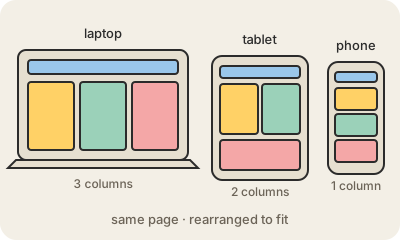
Responsive design
Building one web page that rearranges itself to fit any screen size.
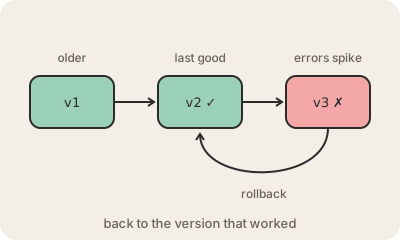
Rollback
Going back to the last version that worked when a new one causes problems.
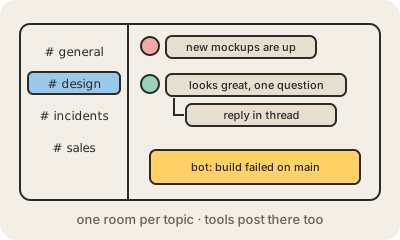
Slack
A chat app for work, organized in channels instead of endless email threads.
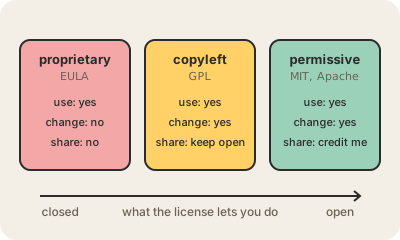
Software license
The legal terms that say what you may and may not do with a piece of software.
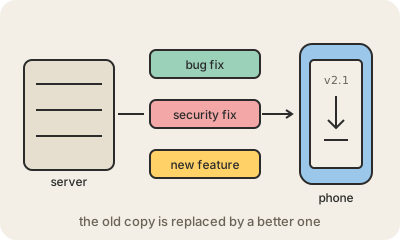
Software update
A new version of a program sent to your device to fix problems or add features.
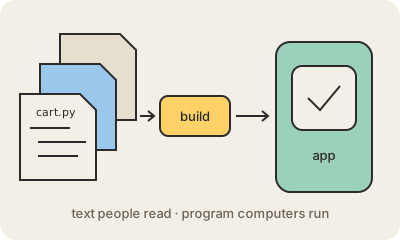
Source code
The human-readable text that programmers write and that a program is built from.
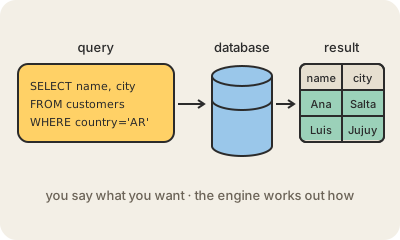
SQL
The language you use to ask a database questions.
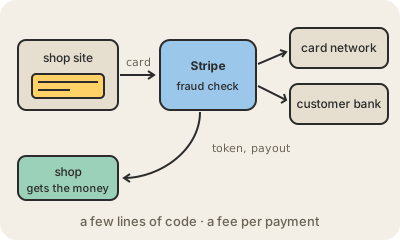
Stripe
A company that lets websites and apps accept online payments with a few lines of code.
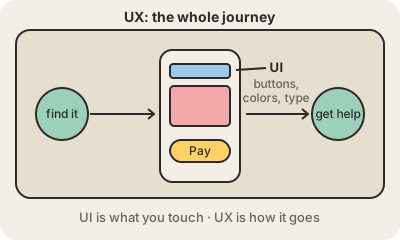
UX and UI
UI is what you see and touch on a screen; UX is how the whole experience feels.
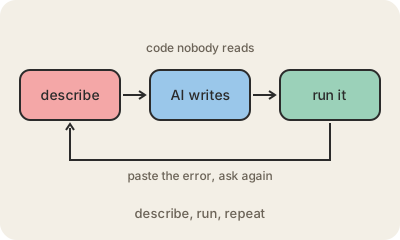
Vibe coding
Building software by describing what you want to an AI and accepting its code.
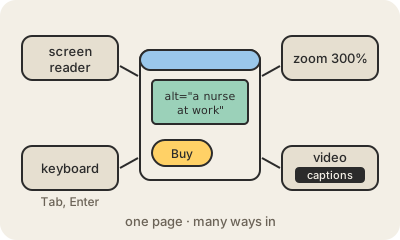
Web accessibility
Making websites and apps usable by everyone, including people with disabilities.
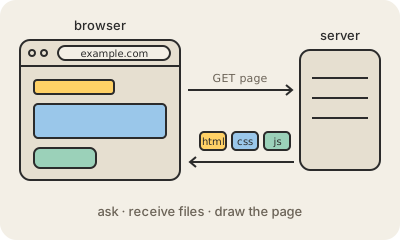
Web browser
The app that fetches web pages from the internet and draws them on your screen.
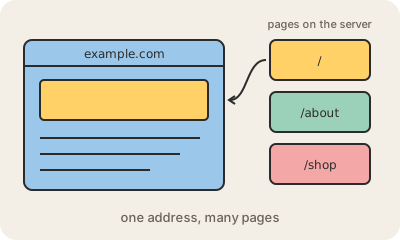
Website
A set of web pages under one address, stored on a server and opened in a browser.
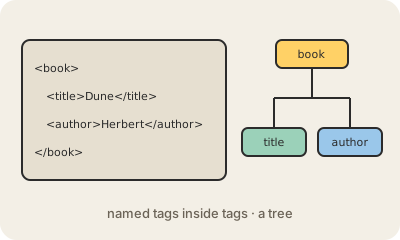
XML
A text format that wraps data in named tags, so both people and programs can read it.
Intermediate
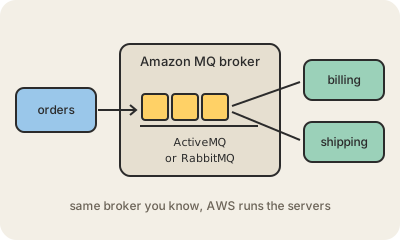
Amazon MQ
ActiveMQ or RabbitMQ message brokers, run for you by AWS.
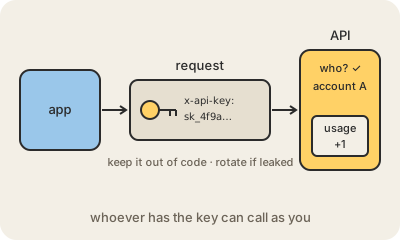
API key
A secret string that identifies your app when it calls someone else's API.
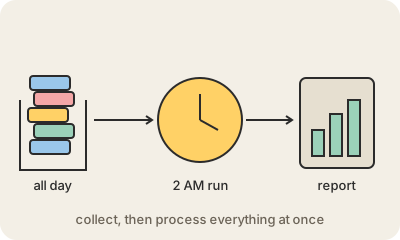
Batch processing
Collecting data for a while and then processing it all in one big run.
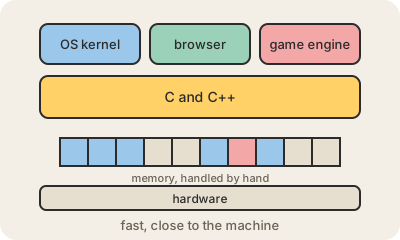
C and C++
Two old, fast languages that sit underneath operating systems, browsers and games.
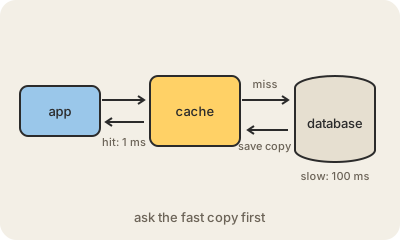
Caching
Keeping a copy of an answer close by so you do not have to work it out again.
CI/CD
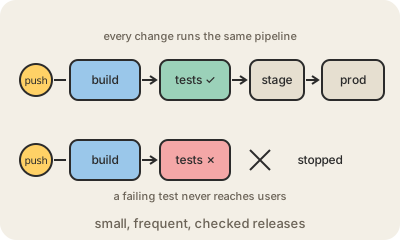
Automation that builds, tests and ships every code change, so releases become routine.
Code review
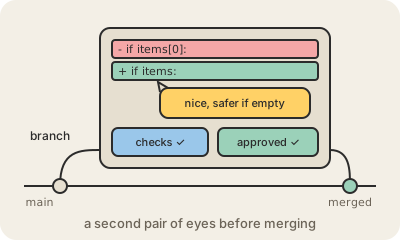
Having another person read a code change before it becomes part of the product.
Compiler
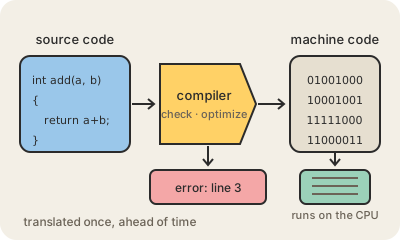
A program that translates source code into instructions a computer can run directly.
Configuration management
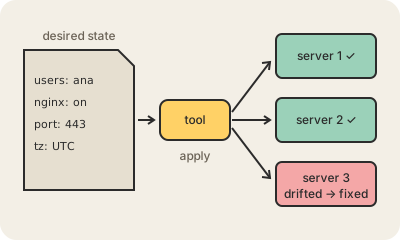
Describing how servers should be set up, and letting a tool keep them that way.
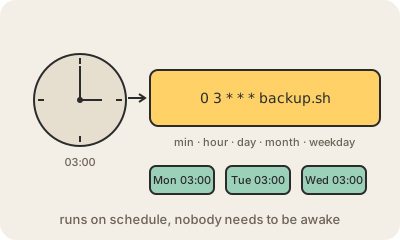
Cron job
A command a computer runs on its own on a schedule, like every night at 3 a.m.
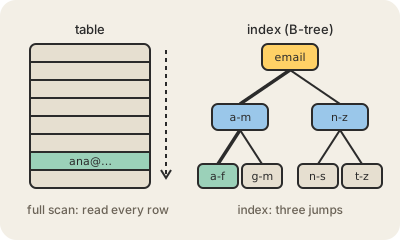
Database index
A sorted shortcut that lets a database find rows without reading the whole table.
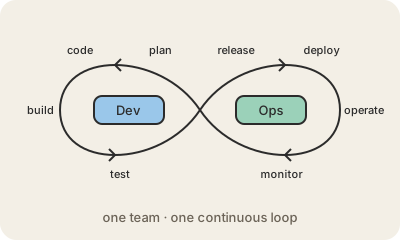
DevOps
Breaking the wall between people who write software and people who run it.
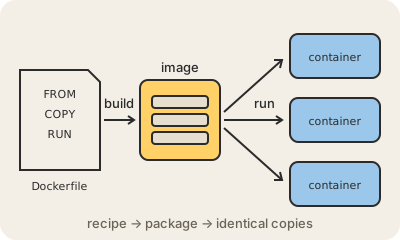
Docker
The tool that made containers easy: package an app once, run it anywhere.
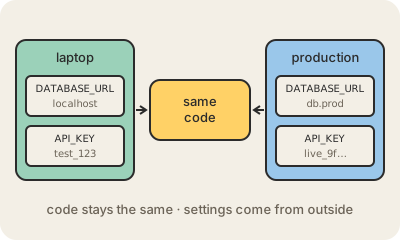
Environment variables
Named settings a program reads from outside its code, like where its database lives.
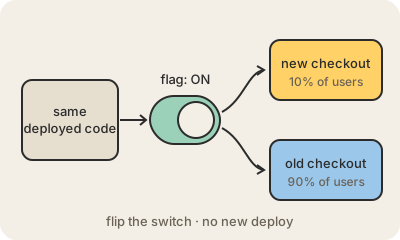
Feature flag
A switch in the code that turns a feature on or off without shipping a new version.
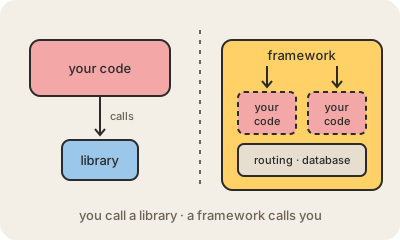
Framework
A ready-made skeleton for an app: it sets the structure and calls your code.
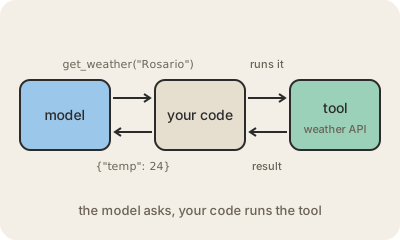
Function calling
How an AI model asks your code to run a tool and then uses the result.
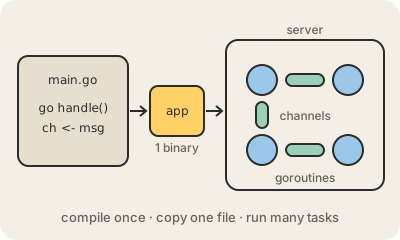
Go
A simple, fast programming language from Google, built for servers and cloud tools.
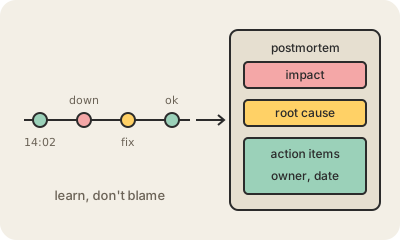
Incident postmortem
A written review of what went wrong in an outage and how to avoid a repeat.
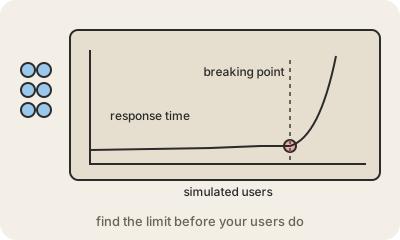
Load testing
Simulating lots of users at once to see how a system holds up before real ones arrive.
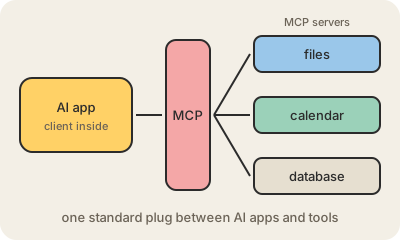
Model Context Protocol
An open standard for plugging tools and data into AI assistants the same way every time.
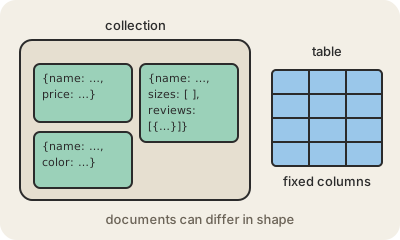
MongoDB
A database that stores each record as a flexible JSON-like document, not a table row.
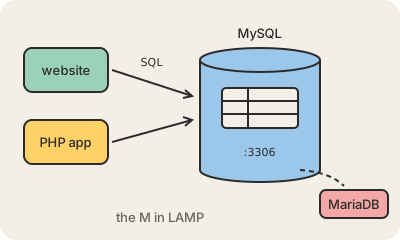
MySQL
The open-source relational database that powered the early web and still runs much of it.
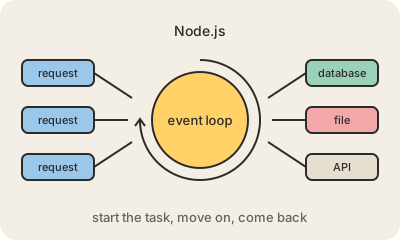
Node.js
A way to run JavaScript on servers and computers, outside the browser.
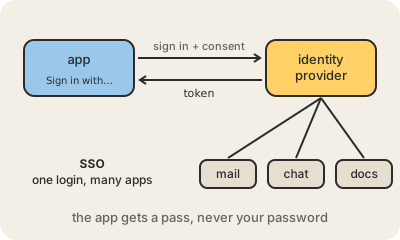
OAuth and SSO
Log in once with an account you trust, and let it vouch for you in other apps.
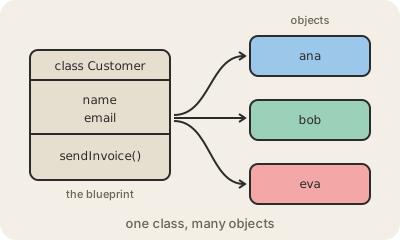
Object-oriented programming
Organizing code as objects that bundle data with the actions that use it.
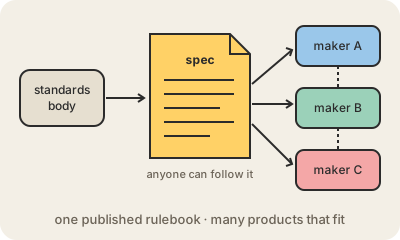
Open standard
A public rulebook anyone can follow, so products from different makers work together.
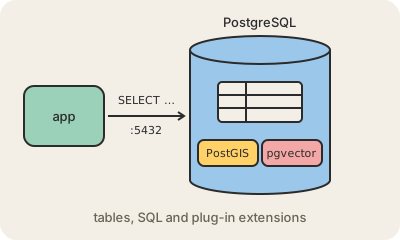
PostgreSQL
A free, open-source relational database behind a great many apps.
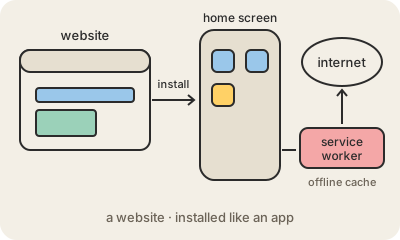
Progressive web app
A website that can be installed and used like an app, even offline.
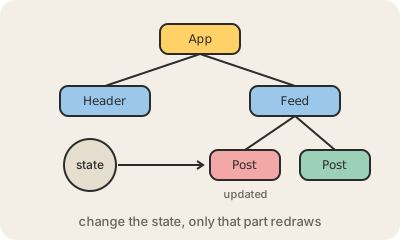
React
A JavaScript library for building screens out of reusable pieces called components.
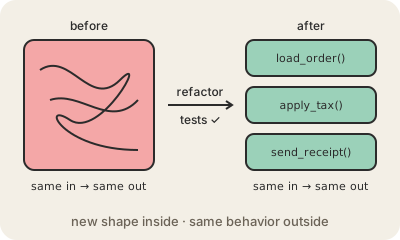
Refactoring
Reorganizing code to make it clearer, without changing what it does.
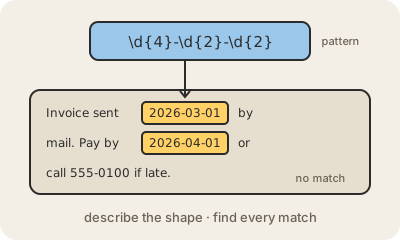
Regex
A compact pattern language for finding and checking pieces of text.
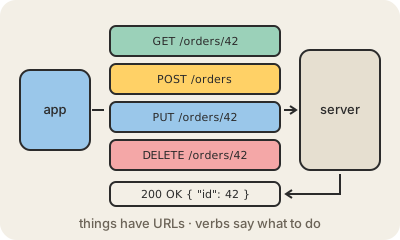
REST API
The most common style of web API: things have URLs and you act on them with HTTP verbs.
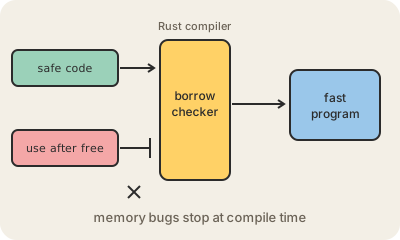
Rust
A fast programming language whose compiler refuses to build code with memory bugs.
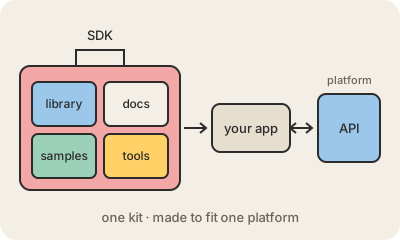
SDK
A kit of code, tools and docs a company provides so you can build for its platform.
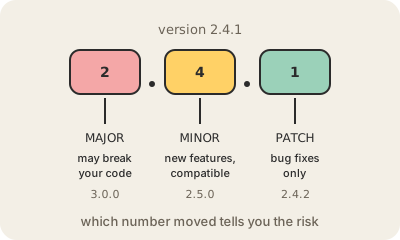
Semantic versioning
A rule for version numbers like 2.4.1, so each part tells you how risky an update is.
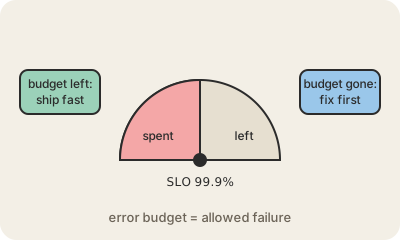
Site reliability engineering
Running production systems with software engineering, and a budget for failure.
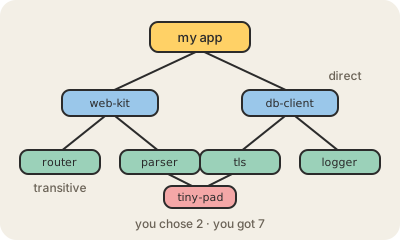
Software dependency
Code written by someone else that your program needs in order to work.
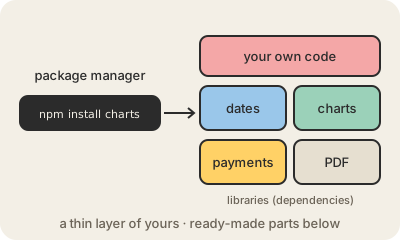
Software library
Ready-made code for a common task that programmers plug into their own programs.
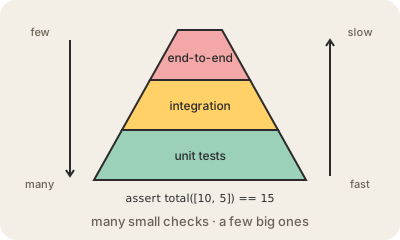
Software testing
Checking that software does what it should, mostly with code that tests other code.
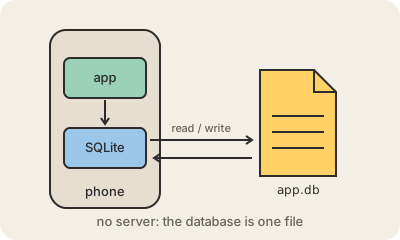
SQLite
A complete SQL database that lives in a single file, with no server to run.
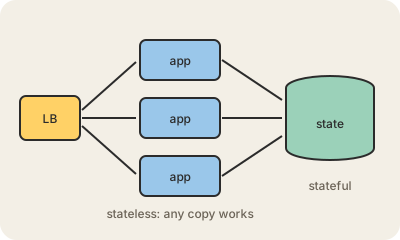
Stateless and stateful
Whether a program remembers things between requests, or keeps that memory somewhere else.
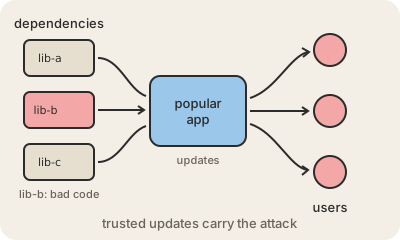
Supply chain attack
Hacking a trusted supplier so its normal updates carry the attack to everyone else.
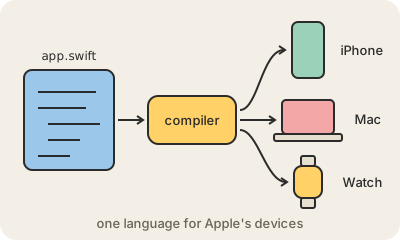
Swift
Apple's programming language for building apps for iPhone, Mac and its other devices.
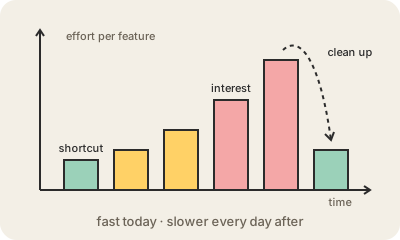
Technical debt
The future cost of shortcuts taken in software today.
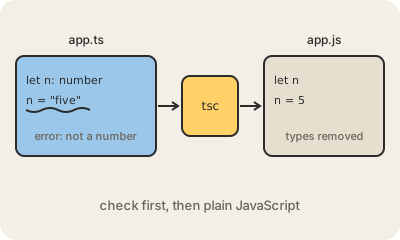
TypeScript
JavaScript with types added, so many mistakes are caught before the code runs.
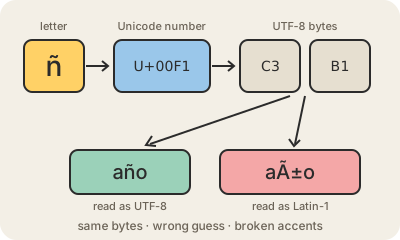
Unicode
The universal numbering of every letter and symbol, and why accents sometimes break.
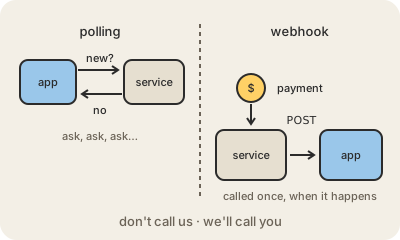
Webhook
A way for one service to call your app the moment something happens.
Advanced
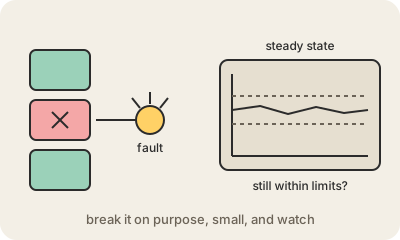
Chaos engineering
Breaking your own system on purpose, carefully, to find weak spots before outages do.
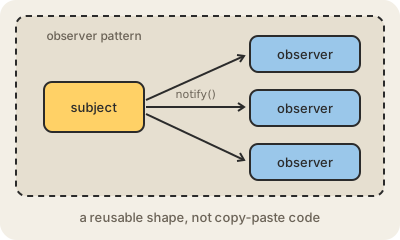
Design pattern
A named, reusable solution to a problem that keeps showing up in software design.
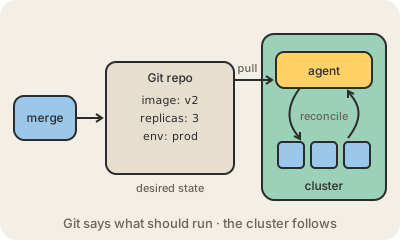
GitOps
Running infrastructure by editing files in Git and letting an agent make reality match.
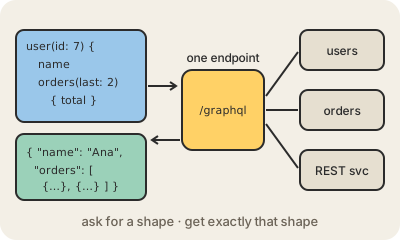
GraphQL
An API language where the app asks for exactly the fields it needs, in one request.
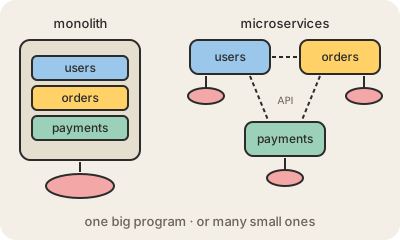
Microservices
Building one application as many small services that each do one job.
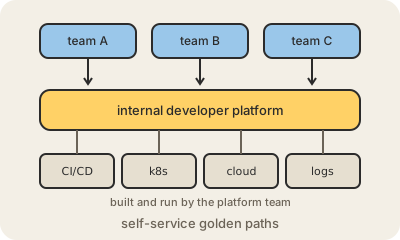
Platform engineering
Building an internal product that lets developers ship without becoming cloud experts.
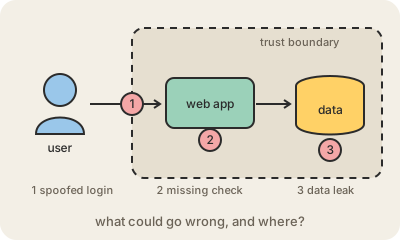
Threat modeling
Sitting down before building to ask who could attack this, how, and what to do about it.
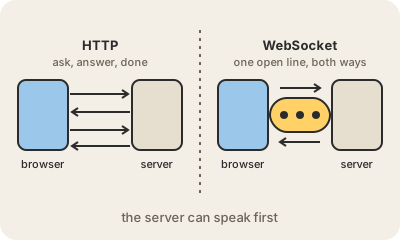
WebSocket
A connection between browser and server that stays open, so both can talk anytime.